Two commercial pest control quotes for the same Canberra site can look like they belong to different industries. One lists a low monthly fee, another bundles inspections, monitoring and reporting. Before you sign, you need a consistent way to compare them. This tutorial explains what actually drives commercial pest control pricing and how to normalise every proposal to a cost per site per year. You will see why a flat rate per square metre fails to capture site size, layout, pest risk, visit frequency, after-hours access, emergency call-outs, monitoring hardware, reporting depth and contract terms. We then examine why the cheapest line item usually carries the thinnest reporting, and what that means for audit trails and corrective actions. You will also get a proposal checklist and answers to common contract questions. If you are reviewing providers in the ACT, including locally owned BugsPatrol, use these steps to compare value, not just price. Normalise first, then decide.
Why Two Commercial Pest Control Proposals for the Same Site Never Match
A commercial pest control contract is priced as a program, not a product. Scheduled inspections, treatments, monitoring and documentation are bundled into one annual figure, so the headline total rarely maps to a single service you can point at.
That bundling creates the two-quote problem. For example, imagine one proposal lists six visits with monitoring stations and a written report; another lists twelve visits and no reporting at all. Neither total, read alone, tells you which covers your site better.
Normalise before you judge. Divide each proposal’s total by the number of sites covered and the number of years in the term. That gives cost per site per year, the only figure genuinely like for like.
Then check what sits outside that figure. One-off termite, bed bug or fly treatments, after-hours attendance, emergency call-outs and consumables all sit outside many programs, and each one changes the true cost of the contract.
A lower total is not automatically better value. Before signing anything, read our guide to commercial pest control contracts in Canberra and compare both quotes on normalised terms, not on the size of the number on the front page.
Commercial Pest Control Pricing Is Not a Flat Rate per Square Metre
Once you accept that a contract is a program, the obvious shortcut, a rate per square metre, falls apart. A warehouse with pallet racking, a restaurant kitchen and a childcare centre can share a footprint and share nothing else about the work they need.
Pest risk is site-specific. Food handling, waste storage, loading docks, false ceilings, warm plant rooms and shared walls with neighbouring tenants all shift how much labour and monitoring a program requires. Two sites of identical size can still need different visit frequencies, different products and different numbers of monitoring points, which is why a per-square-metre figure has to be unpacked before any two commercial pest control proposals can be compared.
Flat rates also tend to be built around the easiest site in the bracket. A business with harder conditions ends up paying for work it never receives, the quiet failure mode of square metre pricing. The same logic holds for one-off work, where costs track infestation extent and treatment count rather than room dimensions.
Use units you can verify instead: cost per visit, cost per monitoring point serviced, and cost per site per year, each of which maps to something you can check in a service report or invoice.
How to Normalise a Commercial Pest Control Proposal to Cost per Site per Year
Take the total, then rebuild it yourself.
- Inventory every line item, including the ones with no dollar figure beside them, such as included call-outs, warranty length and reporting. Nothing unpriced should stay invisible.
- Count the visits included across the full term, noting whether they are scheduled, seasonal or reactive, then divide the annual total by that count for a cost per visit you can hold against other quotes.
- Separate what sits outside the program: after-hours attendance, emergency response, one-off treatments and consumables. Ask what each costs when triggered rather than assuming it is covered.
- Split monitoring hardware into two costs: the equipment itself, and the labour to check, clean, rebait and record it on every visit. Amortise the capital portion across the contract term, not the first year.
- Divide the normalised total by sites covered and years in the term. Hypothetically, a two-year proposal covering two sites, 8 visits yearly and 20 monitoring points, with an annual program total of $12,000, works out at $6,000 per site per year, or $750 per visit. Those figures are illustrative only, not a Canberra market rate.
For the terminology you will meet along the way, see our Pest Control Cost FAQs. With a like-for-like number in hand, the next question is what pushed it up or down.
Driver 1: Site Size, Layout and Pest Risk
With the per-site-per-year figure established, the first driver to examine is how site size, layout and pest risk combine.
Size matters, but layout matters more. Multiple buildings, mezzanines, roof voids, cool rooms and separate waste areas multiply the time a single visit takes, and that time is a direct input into the annual figure. Hospitality, food processing, healthcare, childcare and warehousing with stored goods typically need tighter monitoring than a low-risk office of the same floor area.
Access constraints add labour. Locked plant rooms, escorted entry, lift bookings, alarm codes and shift-based timing all slow a technician down, so ask whether your site’s access conditions have been priced at all. Site history counts too: premises with an existing rodent or cockroach issue need an intensive phase before settling into routine monitoring, and a credible proposal should say so rather than quoting straight into maintenance mode.
The practical test is whether the proposal describes your site specifically. A program written for a generic commercial premises shows up later as thin reporting and repeat treatments, which is why a site-specific scope sits at the top of the questions every facility manager should ask before hiring a commercial pest control provider in Canberra.
Driver 2: Visit Frequency, After-Hours Access and Emergency Call-Outs
Beyond layout and risk, visit count is the biggest single swing factor in a commercial pest control contract. Compare cost per visit before accepting a lower total, since a cheaper annual figure may simply reflect fewer visits rather than better value.
Canberra seasonality matters. Ask whether the schedule changes across the year or stays flat regardless of what the site is doing.
After-hours attendance costs more because of unsociable hours and travel. Ask whether your premises genuinely needs it or simply needs better scheduling within trading hours. The principle behind Why Regular Pest Control Saves Canberra Homeowners Money applies commercially: regular servicing is cheaper than reactive call-outs.
Emergency call-out terms are where commercial pest control contracts differ most. Establish the response window, whether call-outs are included, capped or charged separately, and how many a site like yours typically uses in a year.
Match frequency to risk rather than budget alone. Under-servicing a food premises usually costs more in remediation, stock loss and audit findings than the visits removed to save money. That final point leads naturally to monitoring hardware, reporting depth and contract terms.
Driver 3: Monitoring Hardware, Reporting Depth and Contract Terms
Frequency sets the labour rhythm; hardware, documentation and contract structure fill in the rest of the annual figure.
Beyond labour, hardware carries its own two-part cost: stations, bait, traps and sensors are installed, then checked, cleaned, replaced and recorded on every visit. The capital and the recurring service component both belong in your comparison.
Consumables move the number too. Non-repellent residuals, gels, bait matrices and fly control units are selected by species and site conditions, not floor area, so ask what is used and why, and whether consumables sit inside the fee or arrive separately.
Reporting depth is a real line item. FAO and WHO guidance on pest control operator licensing (November 2015) references a typical operations report structure covering treatment details, products, areas serviced and findings, treat it as a general template for what documented work looks like, not an ACT rule.
Contract structure shifts the annual figure. A longer term spreads hardware and setup across more years; monthly payments change cash flow, not the total. A 12-month warranty and rolling cover keep the program running between scheduled visits instead of ending at the last one, and that risk transfer belongs in your comparison. A DIY kit rarely provides that continuity.
Why the Cheapest Line Item Usually Carries the Thinnest Reporting
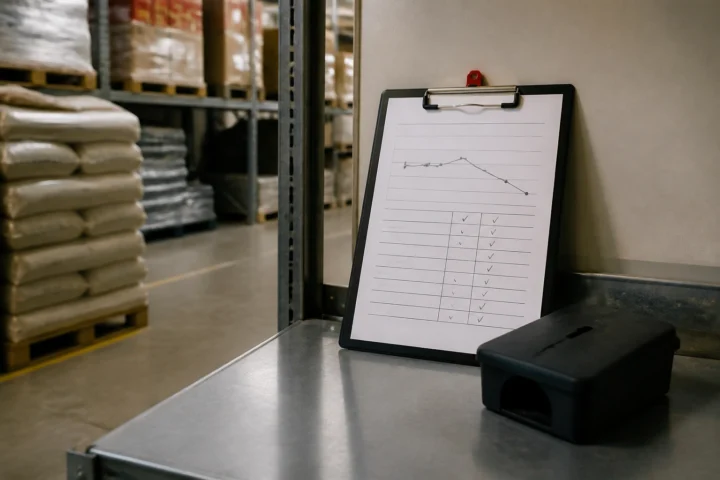
If reporting depth is a real cost, it follows that the lowest line items usually carry the least of it. In our experience pricing this work, the cheapest proposals list fewer scheduled visits, no monitoring hardware, and a verbal summary instead of a written report.
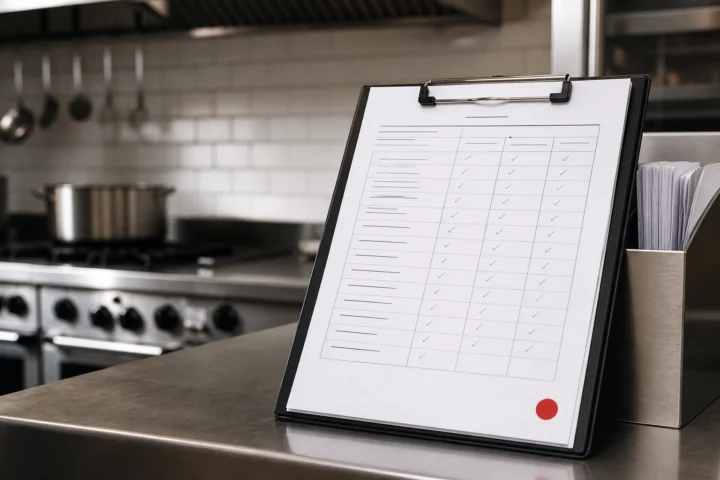
Reporting is the easiest part of a program to leave out because it looks like administration rather than pest control. It is also the only thing that proves what was done and what was found. An inspector’s view on what reports really tell you shows how much of a site’s history lives in those documents.
A thin report creates costs elsewhere: audit findings, repeat treatments, and no evidence trail when a client, landlord, insurer or regulator starts asking questions. After-hours attendance, call-outs, follow-ups and consumables can also reappear as charges once the site problem is real, if exclusions have shifted that risk back to you.
The right test is not which quote is lowest. It is which quote tells you what you are getting, when it happens, and how it will be documented. A proposal that cannot answer that is not cheaper. It is just quieter.
Comparing Commercial Pest Control Contracts: A Proposal Checklist
The fix is procedural. Judge every commercial pest control proposal against the same checklist, in the same order.
- Licensing. Confirm the business is licensed for commercial work, then verify it against the ACT government licensing register, and the NSW register for any site across the border. A logo or a website claim proves nothing.
- Normalised figures. Set cost per site per year, included visit count, seasonal schedule changes and after-hours or emergency treatment side by side.
- Reporting depth. Ask what the service report contains, how often you receive it, and whether it is detailed enough to hand to an auditor or a client. That documentation standard is the same one Integrated Pest Management for ACT Commercial Properties: What IPM Means in Practice sets out.
- Exclusions in writing. One-off treatments, consumables, follow-up visits, call-out limits and response windows, all confirmed before signing so nothing returns as a surprise invoice.
- Same questions, every provider. Including BugsPatrol. Request a site-specific proposal, not a generic price, because only a proposal built around your premises can be compared fairly.
Commercial Pest Control Pricing and Contracts: Common Questions
With the checklist in hand, the same five questions tend to come up before signing.
How is commercial pest control pricing worked out if not by square metre? As a program cost: site size and layout, pest risk, visit frequency, access conditions, monitoring hardware and reporting depth, totalled for the term.
Can a quarterly program be fairly compared with a monthly one? Only after normalising both to cost per site per year and cost per visit, then confirming whether the cheaper schedule pushes reporting or call-outs outside the scope.
What should a commercial pest control proposal include? A site-specific scope, visit schedule, monitoring detail, reporting format, exclusions, warranty terms and a total cost per site per year, so nothing rests on a verbal promise.
Are monthly payments or a longer term always cheaper? No. They change cash flow and spread setup and hardware costs; they do not reduce the work. Compare the annualised total, not the instalment.
How do I verify a provider is licensed for commercial work in the ACT? Check the ACT government licensing register for the business, plus the NSW register for any cross-border site.
Treat any unanswered item as a gap in the commercial pest control contract, not a saving, and ask before you sign.
Conclusion: Normalise Every Proposal Before You Sign
Apply the five-step normalisation above before you commit to any contract. Ask for the reporting format in writing; a proposal that cannot describe its own documentation is incomplete, not inexpensive. Put the same questions to every provider so you are comparing commercial pest control contracts on identical terms. BugsPatrol is locally owned and operates in the ACT and surrounding NSW, so a site-specific proposal can be built around your premises and measured against the checklist above. Request yours, and compare it line by line.