Pests are more than just a nuisance. They can damage your property, contaminate your food, and even pose serious health risks to your family. If you live in the nation’s capital, you already know that Canberra’s unique climate and environment create the perfect conditions for a wide variety of unwanted visitors throughout the year.
Whether you are dealing with spiders lurking in corners, rodents scratching behind walls, or termites silently eating through your home’s foundations, knowing where to turn makes all the difference. That is where professional pest control Canberra services come in, offering targeted solutions designed specifically for the local conditions and pest species common to the region.
In this guide, we have put together a clear and straightforward list of the most common pests found across Canberra and the expert solutions available to handle each one. By the end, you will have a solid understanding of what to look for, when to act, and how local professionals can help protect your home and family all year round. Let’s get started.
Common Pests We Treat in Canberra
Canberra’s unique combination of bushland borders, seasonal temperature extremes, rapid suburban expansion, and a growing short-stay rental market creates conditions where pest pressure is a year-round reality for both homeowners and businesses across the ACT.
1. Termites
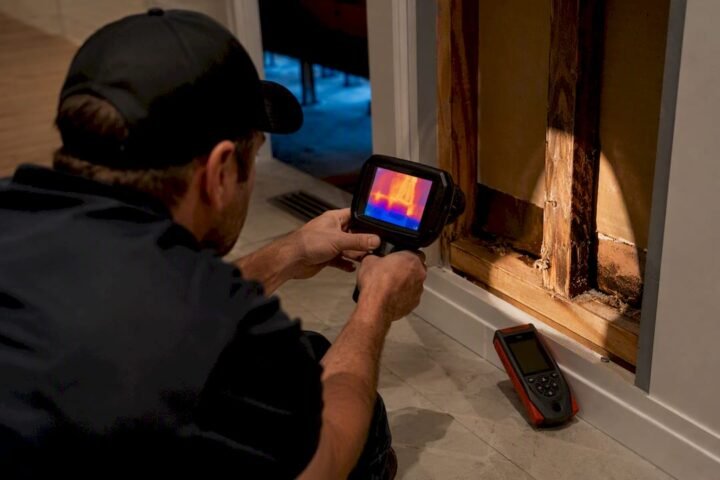
Termites represent the single most financially damaging pest threat to Canberra homeowners. Suburbs bordering bushland reserves, including parts of Weston Creek, Woden, and the newer edges of Gungahlin, are at particularly elevated risk due to the abundance of timber debris and native tree root systems that sustain termite colonies. Australian homes suffer billions of dollars in termite damage each year, and the problem is that most standard home insurance policies do not cover termite destruction. Two primary treatment options exist. A liquid barrier treatment involves applying a chemical solution into the soil around your home’s foundation, creating a protective zone that either repels or kills termites on contact. A baiting system uses in-ground stations placed around the property perimeter; termites feed on the bait and carry it back to the colony, eventually eliminating it at the source. Both methods are effective, and the right choice depends on your property’s construction type, soil conditions, and the level of existing activity.
2. Rodents
As autumn settles across the ACT and nighttime temperatures drop, mice and rats actively seek warmth, food, and shelter inside residential and commercial buildings. In newer estate builds across Gungahlin and Molonglo, slab-on-ground construction can leave gaps around pipe penetrations, weep holes in brickwork, and poorly sealed garage doors as common entry points. Older homes in Tuggeranong, particularly those with suspended timber floors and cavity walls, offer even more opportunity for rodents to establish hidden runs inside the structure. Rodents gnaw through electrical wiring, contaminate stored food, and spread pathogens through their droppings. Early intervention is critical because a single breeding pair can produce dozens of offspring within weeks.
3. Spiders
Canberra’s warm summers bring a noticeable increase in spider activity, particularly in gardens, garages, garden sheds, and roof voids. The redback spider (Latrodectus hasselti) poses a genuine medical risk; its venom can cause severe pain, sweating, and in vulnerable individuals, systemic illness requiring antivenom. The white-tail spider (Lampona spp.) is frequently encountered indoors and while its bite can cause localised irritation, the risk of serious necrotic reactions is far lower than its reputation suggests. Many other spider species common to Canberra, including huntsmen, are essentially harmless and serve a useful role in controlling insects. Professional treatment focuses on reducing harbourage points and applying targeted products to areas where medically significant species are likely to shelter.
4. Cockroaches
High-density apartment living and shared rental properties in suburbs like Braddon, Kingston, and the CBD create ideal conditions for cockroach populations to establish and spread rapidly. Cockroaches move freely through shared wall cavities, plumbing chases, and subfloor spaces, meaning an infestation in one unit can quickly affect neighbouring dwellings. German cockroaches are particularly problematic in kitchen and bathroom environments due to their preference for warm, humid conditions close to food and moisture sources. Beyond the obvious hygiene concerns, cockroaches trigger asthma and allergic reactions, making prompt professional treatment essential in any shared living environment.
5. Bed Bugs
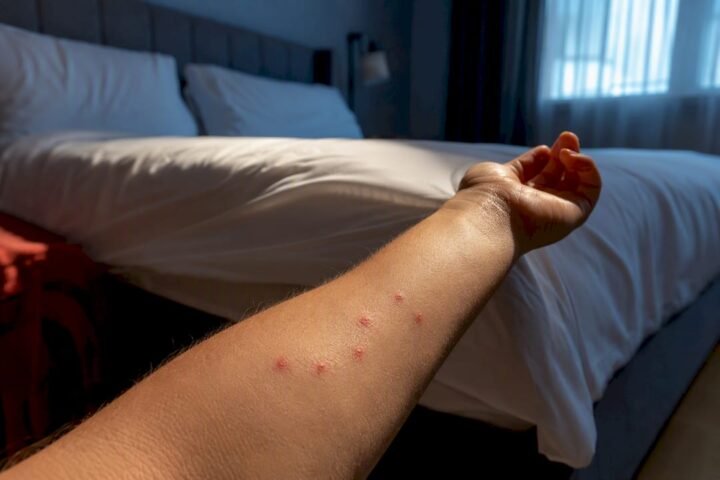
The ACT’s growing short-term rental market and steady flow of tourism and business visitors have increased the likelihood of bed bug introductions into Canberra properties. Bed bugs spread primarily through luggage, secondhand furniture, and soft furnishings, and a small initial population can expand quickly given their ability to hide in mattress seams, bed frames, skirting boards, and electrical outlets. DIY treatments using over-the-counter sprays are rarely effective because they do not reach harbouring sites deep within furniture and wall voids. As noted in guidance from the National Pest Management Association’s consumer resources, professional identification and treatment are strongly recommended. Professional heat treatment and targeted insecticide application provide far more reliable elimination than retail products alone.
6. Flies
Warmer months bring significant fly pressure to Canberra’s hospitality venues, commercial kitchens, food markets, and outdoor entertaining areas. House flies and blow flies are capable of transferring bacteria from waste and organic matter directly onto food preparation surfaces, creating serious food safety risks for any business operating under ACT Health guidelines. Outdoor entertainment spaces in residential properties face similar pressure during summer gatherings. Effective fly management combines exclusion measures, waste management protocols, and targeted treatment programs tailored to the specific venue type and fly species involved.
7. European Wasps
European wasps (Vespula germanica) are an established and serious summer hazard across Canberra, particularly in bush-adjacent suburbs where nests are built underground or within wall cavities. Unlike native bees, European wasps can sting repeatedly and are highly aggressive when their nest is disturbed. Children and pets are especially vulnerable, and individuals with venom allergies face potentially life-threatening reactions. Nests should never be approached without professional equipment and training. For a broader understanding of common urban pest identification and behavior, Penn State Extension provides a useful general reference, though local conditions in Canberra always require locally informed treatment decisions.
Residential and Commercial Pest Control Across the ACT
Whether you own a family home in Tuggeranong, manage a unit block in Belconnen, or operate a café in the Canberra CBD, pest control needs vary significantly depending on property type, use, and location. BugsPatrol tailors every treatment to the specific circumstances of your property rather than applying a one-size-fits-all approach.
Residential Properties
Canberra’s housing mix includes everything from older brick homes in established suburbs to contemporary townhouses and units in newer developments. Each property type presents different risk profiles. Older homes may have timber subfloors vulnerable to termite damage, while newer builds in high-density areas face greater pressure from rodents and cockroaches spreading between connected dwellings. BugsPatrol assesses each residential property individually, factoring in age, construction type, size, and the specific pest species involved before recommending a treatment plan.
Commercial Facilities
Government buildings, aged care facilities, hospitality venues, and office complexes across the ACT each carry distinct pest risks and strict compliance obligations. A pest sighting in an aged care facility, for example, can trigger regulatory scrutiny under the Aged Care Quality Standards. Documented, professional pest management is not optional in these environments; it is a compliance requirement. BugsPatrol provides detailed treatment records and service reports that give facility managers the documentation they need if inspections occur.
Rental Properties and Property Management
Landlords and property managers in the ACT have legal obligations under the Residential Tenancies Act 1997 (ACT) to maintain properties in a habitable condition, which includes addressing pest infestations. BugsPatrol supports property managers with regular inspections, written treatment records, and ongoing compliance documentation that protects both landlords and tenants.
New Builds and Pre-Purchase Inspections
Rapid residential development in suburbs like Lawson, Whitlam, and Throsby has created strong demand for pre-construction termite protection and pre-purchase pest reports. Under Australian Standard AS 3660, new builds require compliant termite management systems before occupation.
Food Businesses
Cafes, restaurants, and food-processing facilities must meet Food Standards Australia New Zealand (FSANZ) requirements, making licensed professional pest management non-negotiable. Pest activity is one of the fastest ways to fail a health inspection, and unannounced audits mean year-round compliance readiness is essential for any ACT food business.
How BugsPatrol Protects Canberra Homes Year-Round
Canberra’s four distinct seasons do not just bring changing weather. They bring a rotating roster of pest threats that shift with each month of the calendar. Spring triggers increased spider activity as populations emerge and spread across homes and gardens. Summer brings surges in wasps and flies, particularly around outdoor entertaining areas and commercial food premises. Autumn pushes rodents indoors as temperatures drop and food sources outside become scarce. Winter drives cockroaches into wall cavities, kitchens, and heated spaces seeking warmth. A single annual treatment, however thorough, cannot realistically address all four of these pressure points with a single application of product.
BugsPatrol’s year-round protection plans are built around this seasonal reality. Rather than treating a property once and leaving homeowners to manage whatever emerges in the months that follow, scheduled treatments are timed to coincide with the pest cycles most likely to cause problems at each point in the year. This structured approach interrupts infestations before they take hold, targeting pests at their most vulnerable stages of development and preventing colonies from establishing between visits. The compounding effect of routine, timed treatments consistently outperforms reactive, single-visit models in protecting Canberra homes and businesses.
Every BugsPatrol protection plan is backed by a 12-month warranty, giving homeowners documented coverage that removes the uncertainty of what happens if pests return. If a covered pest reappears within the warranty period, it is addressed without any additional cost. This kind of structured assurance matters because pest activity is rarely entirely predictable, and homeowners deserve a clear, reliable safety net rather than an unexpected bill.
Affordability is another practical barrier BugsPatrol has addressed directly. Monthly payment options with no upfront fees mean households do not need to find a large lump sum before treatment begins. Delaying pest control because of cost is one of the most common reasons infestations escalate from a manageable issue into a serious problem requiring more intensive intervention.
Finally, rolling cover ensures there is no window of exposure between treatment cycles. Chemical barriers degrade over time, particularly under Canberra’s temperature extremes, and a gap in coverage is an open invitation for pests to re-establish. Unlike one-off treatments that offer diminishing protection as weeks pass, BugsPatrol’s rolling plans keep that protective layer continuously active, so your home remains defended across every season, not just immediately after a visit.
Why Choose a Locally Owned Canberra Pest Controller
Choosing the right pest controller in Canberra comes down to more than price. Here are five reasons why a locally owned operator consistently delivers better outcomes for ACT households and businesses.
1. Full Licensing and APVMA Compliance
Every legitimate pest control treatment in Australia must use products registered through the Australian Pesticides and Veterinary Medicines Authority (APVMA), the federal body responsible for evaluating pesticide safety, efficacy, and environmental impact. In the ACT, individual technicians must also hold current territory-issued licences before they can legally apply any treatment. BugsPatrol technicians carry full ACT pest control licences, maintain $10 million in public liability cover, and hold a stated 99% compliance record. Before booking any operator, ask directly for their ACT licence number and confirm they are using APVMA-registered products. This single check filters out unlicensed operators and protects your household from potentially unsafe or legally unapproved treatments.
2. Local Knowledge That a National Template Cannot Replicate
Canberra’s continental climate, characterised by cold winters and hot dry summers, combined with a mix of older established suburbs like Woden and Tuggeranong alongside rapidly growing greenfield estates in Gungahlin and Molonglo, creates pest pressures that differ significantly from coastal cities. Termite activity is shaped by local soil moisture and temperature cycles. Spider and rodent pressure peaks follow ACT-specific seasonal patterns. A locally based team builds this knowledge through years of operating exclusively in the same territory, rather than applying a broad national treatment protocol that was not designed with Canberra conditions in mind.
3. Faster Response When It Matters
BugsPatrol operates from Throsby and offers same-day service across most Canberra suburbs. When dealing with an active wasp nest, a rodent problem before a property settlement, or a bed bug discovery in a rental property, waiting days for a dispatcher managing a national call queue is simply not acceptable. A local team with no interstate logistics overhead can respond faster, assess the situation on the ground, and begin treatment sooner.
4. Eco-Conscious and Pet-Safe Treatment Options
The ACT is home to one of Australia’s most environmentally aware populations, and pest control choices reflect that. BugsPatrol uses low-toxicity treatment options where appropriate, selecting APVMA-registered products with lower re-entry intervals and applying targeted methods that reduce off-target chemical exposure. In practical terms, this means treatments are designed to be effective against the pest while minimising risk to pets, young children, and the surrounding garden environment. This approach aligns with a broader industry shift toward integrated pest management, which prioritises targeted intervention over broad chemical application.
5. Community Trust and Direct Accountability
Canberra is a close-knit city where local vs. national pest control comparisons consistently highlight that community reputation is a defining factor in service quality. A locally owned operator’s entire business depends on the word-of-mouth recommendations flowing through suburbs like Belconnen, Inner North, and Tuggeranong. Every job completed is a direct input into that local reputation. There is no regional head office absorbing complaints or diluting accountability across a national brand. When BugsPatrol completes a job in your suburb, the owner feels the outcome directly, and that accountability drives standards in a way that larger, dispersed operations structurally cannot match.
Suburbs We Service Across Canberra and the ACT
BugsPatrol services the full breadth of the ACT, from fast-growing northern suburbs to rural-fringe communities and busy commercial precincts. Here is a breakdown of the key zones we cover.
North Canberra and New-Development Areas
Throsby, Gungahlin, Harrison, Franklin, and Ngunnawal sit at the heart of Canberra’s most active growth corridor. Rapid construction in these estates means freshly disturbed soil sits directly adjacent to remnant bushland, creating near-ideal conditions for subterranean termite activity. Rodents and spiders also move readily into newly built homes as surrounding habitat is cleared. BugsPatrol’s local base in Throsby means response times across these northern suburbs are fast and reliable.
South and West Canberra
Tuggeranong, Woden, Weston Creek, Molonglo Valley, and Belconnen each present a distinct mix of pest challenges. Established homes in Tuggeranong and Weston Creek come with mature gardens and older roof cavities that attract roof rats and webbing spiders. Molonglo Valley’s newer estates mirror the termite-exposure patterns seen in Gungahlin, while medium-density strata developments in Woden require coordinated treatment across shared building structures. BugsPatrol handles both standalone homes and unit complexes across all of these districts.
ACT Fringe and Surrounding NSW
Residents of Queanbeyan and Jerrabomberra frequently prefer working with an ACT-licensed operator due to proximity, faster response, and familiarity with local pest pressures. BugsPatrol services these border communities directly, offering the same warranties and treatment standards applied across the ACT.
Commercial Precincts
The Canberra CBD, Fyshwick, Mitchell, and Hume present concentrated commercial pest risks tied to food storage, warehousing, and high foot traffic. BugsPatrol delivers tailored programs for these environments, covering rodent management, stored-product pest control, and fly elimination for hospitality and industrial clients alike.
Whole-of-ACT Reach
BugsPatrol services all ACT suburbs. Property owners in outlying areas such as Hall, Tharwa, or Kowen are encouraged to call directly and confirm availability for their specific location. No matter where you are in the territory, reliable local pest control is closer than you might think.
Get Pest Control in Canberra Today
Pest infestations do not wait, and they rarely shrink on their own. The longer a rodent nest, termite colony, or spider population goes untreated, the more entrenched it becomes and the more expensive it is to resolve. Early action is always the most cost-effective approach, and that starts with a single call or a quick message to book a professional inspection.
BugsPatrol brings together everything Canberra households and businesses need in one locally owned and operated service: full licensing, safe treatments for families and pets, year-round protection plans, and flexible monthly payment options with no upfront fees required. Whether you manage a rental property in Belconnen or run a food business in Civic, the team is ready to respond.
Why act now:
- Locally owned and operated in Canberra (Throsby)
- Fully licensed pest management professionals
- 12-month warranty on treatments
- Safe, low-toxicity solutions for families and pets
- No upfront fees, easy monthly payments, rolling cover
Request a free quote, call the BugsPatrol team directly, or complete the contact form at bugspatrol.com.au to book your Canberra pest inspection today. Protect your property before a small problem becomes a costly one.
Conclusion
Protecting your home and family from pests starts with knowing what you are dealing with and acting before small problems become serious ones. Throughout this guide, we have covered the most common pests found across Canberra, the warning signs to watch for, and why professional treatment consistently outperforms DIY approaches. We have also highlighted how local experts understand the specific species and seasonal patterns unique to the region.
The key takeaways are simple: pests cause real damage, early intervention saves money, and local knowledge matters. Do not wait until the problem is out of control.
If you have spotted signs of unwanted visitors in your home, now is the time to act. Reach out to a trusted pest control Canberra professional today and take the first step toward a safer, pest-free home.