Moving out of a rental property in Canberra comes with enough stress without being handed an unexpected bill for pest control. Yet many ACT tenants pay for professional treatments they were never legally required to arrange, simply because a property manager requested it or a lease clause made it sound compulsory.
End of lease pest control in Canberra is one of the most misunderstood obligations in the ACT rental market. The rules are more nuanced than most people realise, and the ACT Tenancy Act does not work the way many landlords, agents, or even tenants assume.
This post cuts through the confusion by going directly to the source. You will learn exactly what the ACT Tenancy Act says about pest control responsibilities, how liability is determined based on who actually caused the problem, and whether professional treatment is genuinely a legal requirement at lease end. You will also find out how to document your position, what common Canberra pests typically mean for liability, and what your options are if a dispute reaches the ACT Civil and Administrative Tribunal. Whether you are a renter preparing to vacate or a property manager clarifying your obligations, this guide gives you the factual answers you need.
What the ACT Tenancy Act Actually Says About Pest Control
Many ACT tenants arrive at lease end believing professional pest treatment is legally mandatory, a condition they must satisfy to recover their bond. The shared responsibility model described in the Legal Aid ACT Pests factsheet suggests liability turns on who caused the infestation, not a blanket requirement for professional treatment, but tenants should verify the current legislation directly.
Under the shared responsibility framework outlined by Legal Aid ACT, tenants must keep the property in a reasonably clean condition and must not cause pest infestations through negligence or wilful acts, such as allowing food waste or rubbish to accumulate. Under the same framework, landlords carry a parallel duty: they must maintain the premises in a reasonable state of repair. Where building defects, deteriorating structures, or unrepaired entry points attract pests, that responsibility sits with the landlord, not the tenant.
The Legal Aid ACT Pests factsheet, the authoritative plain-language guide to this area, frames it clearly as a shared responsibility model. Neither party holds a default obligation; what matters is the source of the infestation.
This distinction matters because generic national advice rarely reflects ACT-specific law accurately. Advice written for other states or territories can misrepresent what Canberra tenants are actually required to do. If you want accurate guidance on pest pressure facing ACT properties year-round and what professional assessment actually covers, local expertise is the more reliable starting point.
The causation-based framework covered here is the foundation for everything that follows: which party is liable in specific scenarios, when professional treatment genuinely applies, and how to protect your bond if a dispute arises.
When Tenants Are Liable and When Landlords Are
Under the shared responsibility model, tenants are liable when the infestation is traceable to their conduct. Not disposing of rubbish regularly, storing food without sealed containers, or ignoring early signs of pest activity until a minor problem becomes a full infestation are all examples of tenant-caused situations. If the condition of the property at lease end reflects how it was managed, the cost of treatment sits with the tenant.
Under the same framework, landlords are liable when building conditions are the cause. Pests exploiting structural entry points the landlord failed to repair are not the tenant’s responsibility.
Property managers who require pest treatment receipts as a standard bond condition, without first establishing who caused the problem, are making a demand that ACT law does not automatically support. Paying to meet that demand is not always a legal obligation.
Canberra’s seasonal conditions add genuine complexity. Mice entering homes during cold months, or ants tracking moisture from winter condensation, may not be attributable to either party without a proper inspection. Evidence matters, and assumptions in either direction can lead to unfair outcomes.
Tenants who are unsure where liability sits should contact Legal Aid ACT’s Tenancy Advice Service on 1300 402 512, confirm current contact details at legalaidact.org.au, before agreeing to pay for any treatment. The advice is free and ACT-specific.
Is Professional Pest Control Actually a Legal Requirement at Lease End?
The short answer is no. No publicly available guidance from Legal Aid ACT identifies professional pest treatment as an automatic bond-return condition, but tenants should check current legislation or seek advice from Legal Aid ACT before assuming this.
Where this changes is at the tribunal level. If a bond dispute reaches ACAT, the question shifts from “was treatment done?” to “was the response reasonable and verifiable?” If a dispute reaches ACAT, objective documentation is generally more persuasive than an undocumented verbal account, a professional treatment certificate provides a verifiable record.
A professional treatment certificate carries real evidential weight in that context. It demonstrates the issue was addressed to an objective, documented standard rather than a tenant’s own estimation. A receipt from a licensed Canberra pest control provider, specifying the pest type, products used, and scope of treatment, gives the tribunal something concrete to assess.
DIY treatment is not prohibited, but it is difficult to substantiate. A can of supermarket spray leaves no audit trail; professional inspection reports and treatment records do. Understanding when to hire a licensed pest controller versus handling it yourself can be the difference between a clean bond return and a disputed claim.
For tenants where causation is clear, arranging professional treatment before the final inspection is almost always the most cost-effective path. The cost of treatment is typically far lower than a contested bond deduction, and why hiring a licensed technician beats guesswork becomes obvious when documentation is the deciding factor at tribunal.
Common Pests in Canberra Rentals and Who Is Typically Responsible
Knowing whether professional treatment is warranted depends partly on which pest is involved. Liability shifts significantly by species, and understanding each one saves tenants from paying for treatment that isn’t their responsibility.
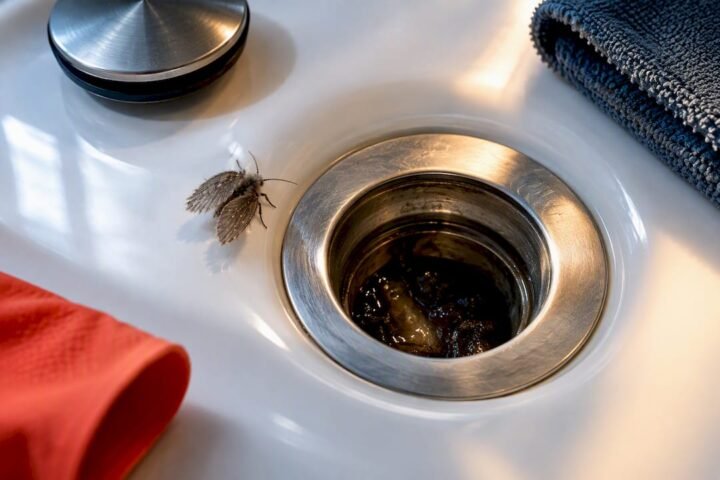
Cockroaches are among the pests most commonly disputed at lease end. Infestations in kitchens and bathrooms can develop from tenant hygiene habits or from pre-existing entry points in cabinetry and plumbing. Because both causes are plausible, responsibility is rarely clear without a professional inspection to establish the source.
Rodents follow Canberra’s seasons. Mice and rats move indoors as autumn temperatures fall, seeking warmth through gaps in external walls, roof cavities, and ageing plumbing penetrations. Where entry is through structural defects the landlord failed to seal, liability sits with the landlord rather than the tenant.
Spiders are common across the ACT and are generally not considered a lease-end pest issue. Isolated webs in corners are normal. Liability typically only arises where a species warranting treatment, such as an established redback colony, is present in significant numbers.
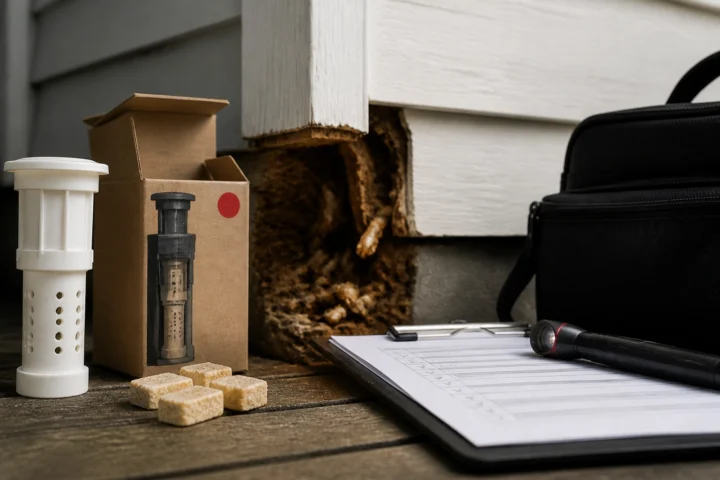
Termites are a separate category entirely. Active termite damage at lease end is likely to predate the tenancy; tenants should document and notify the landlord in writing immediately and seek advice from Legal Aid ACT on liability.
Fleas are the clearest case. If pets were kept on the property, tenants are generally considered liable for flea treatment at lease end. Many ACT lease agreements include flea treatment as a pet-owner condition, check your specific agreement.
BugsPatrol covers all of these pest types across the ACT region.
Documentation: How to Protect Yourself at Lease End
Knowing which pests are commonly disputed is useful; knowing how to document your position is what actually protects your bond.
Start on day one. Photograph the entire property at lease commencement and record any pre-existing pest evidence, including droppings, gnaw marks, or nesting material, directly in the condition report. This baseline is your first line of defence against claims that attribute pre-existing problems to you.
Notify in writing, promptly. If a pest issue arises during the tenancy, written notification creates a timestamped record and is recommended practice, Legal Aid ACT guidance emphasises the shared responsibility framework that depends on documented evidence of who was notified and when.
Get a professional inspection at lease end. Even where no treatment is required, a written inspection report from a licensed pest control provider documents the property’s condition objectively. If a bond dispute reaches ACAT, that report gives you verifiable evidence rather than a verbal claim.
Request a treatment certificate if you book a service. A proper certificate from a licensed Canberra pest control provider should specify the pests treated, products used, and scope of service. This carries evidential weight that a simple payment receipt does not.
Keep every written record. Emails and message threads about pest matters are admissible at ACAT and frequently determine the outcome of disputed bond claims. Archive them throughout the tenancy, not just at the end.
If There Is a Dispute: ACAT and Your Legal Options
Even with thorough documentation in hand, disputes can still arise. If a landlord or property manager withholds bond money over pest control costs and you believe the liability has been incorrectly assigned, you can apply to the ACT Civil and Administrative Tribunal (ACAT) to have the matter resolved formally.
ACAT handles a range of rental disputes beyond bond claims, contact Legal Aid ACT’s Tenancy Advice Service for guidance on what remedies may apply to your situation.
Before lodging an ACAT application, it is worth calling Legal Aid ACT’s Tenancy Advice Service on 1300 402 512, confirm current contact details at legalaidact.org.au. This service is free, ACT-specific, and staffed to advise on exactly these situations. Advisers can help you assess whether your circumstances warrant a formal application or whether a lower-cost resolution is available first.
Strong documentation, as described in the earlier section, is your most reliable asset at tribunal.
BugsPatrol is a fully licensed, locally based Canberra provider.
When Booking Pest Control in Canberra Makes Sense at Lease End
Knowing your rights is one thing; deciding what to do before handing back the keys is another.
For most Canberra tenants, booking a professional pest inspection is a sound precaution even when no infestation is visible. The inspection report documents the property’s condition at departure and provides objective evidence of due diligence if a bond dispute arises later.
Treatment is clearly the right call in specific situations:
- If you kept pets on the property, check your lease, flea treatment is commonly required.
- You noticed active pest activity during the tenancy and did not arrange treatment at the time.
- Your conduct may have contributed to a problem, even inadvertently, such as through food storage habits or slow rubbish removal.
BugsPatrol services the ACT and surrounding NSW regions from its Canberra base in Throsby. As a locally owned and licensed provider, BugsPatrol handles rodents, spiders, bed bugs, and more, for both residential and commercial properties.
Pest control prices in Canberra vary by property size, pest type, and the scope of treatment required. Requesting a written quote before committing gives you a clear record of exactly what the service covers, which itself becomes useful documentation.
For tenants who want a clean outcome rather than a contested bond claim, a professional service from a licensed local provider delivers two things at once: a verifiable result and the paperwork trail that backs it up at ACAT if needed.
Key Takeaways for ACT Renters and Property Managers
Here is what the ACT Tenancy Act actually establishes, distilled to its practical core.
Liability follows causation, not convention (covered above): only tenant-caused infestations create a tenant obligation, and a property manager presenting pest control receipts as a standard bond condition is asserting a position the law does not unconditionally support.
Both parties carry obligations (covered above): the shared responsibility framework assigns duties to each side, and building defects that create pest entry points remain the landlord’s concern.
Professional treatment is not mandatory, but it is strategically valuable (covered above): the documentation a licensed provider produces, not the treatment itself, is often what resolves contested claims.
Your paper trail is your protection (covered above): condition reports, written notifications, inspection reports, and treatment certificates are the records that determine outcomes at ACAT.
If you are liable, or simply want confidence before your final inspection, contact BugsPatrol for a professional inspection and treatment quote from a licensed, locally based Canberra pest control provider.