A single bed bug sighting in an office is usually a hitchhiker, not a colony. Stop moving items, bag any suspect clothing separately, photograph or preserve the bug, and start an internal investigation right away. Call a licensed pest manager if you find multiple insects, fecal spotting, eggs, or more than one person reporting bites.
TL;DR:
- Bed bugs are often reintroduced in offices through items like secondhand furniture or cluttered storage, not from established colonies.
- Immediate action should focus on capturing or photographing the insect and sealing affected items, rather than moving them around.
- A professional inspection and treatment plan should include multiple visits and follow-ups, especially for signs like fecal spots, shed skins, or eggs.
- Preventative measures involve reducing hiding spots, inspecting secondhand items, and using detection monitors in high-risk areas.
- Reputable pest control providers must deliver documented plans, trained technicians, and scheduled follow-ups rather than one-time spray treatments.
Table of Contents
- How to Identify Bed Bugs and Assess the Real Risk in an Office
- What Should Employees Do Immediately After Finding a Bed Bug?
- What Should Employers and Facilities Managers Do First?
- When Should You Call a Licensed Pest Manager?
- Can You Prevent Bed Bugs From Coming Back?
- What Should a Credible Pest Control Provider Deliver?
- Why Panic Is the Wrong First Response
- Get a Professional Bed Bug Inspection Booked Fast
- Where to Go for Further Detail
- Sources
- FAQ
How to Identify Bed Bugs and Assess the Real Risk in an Office
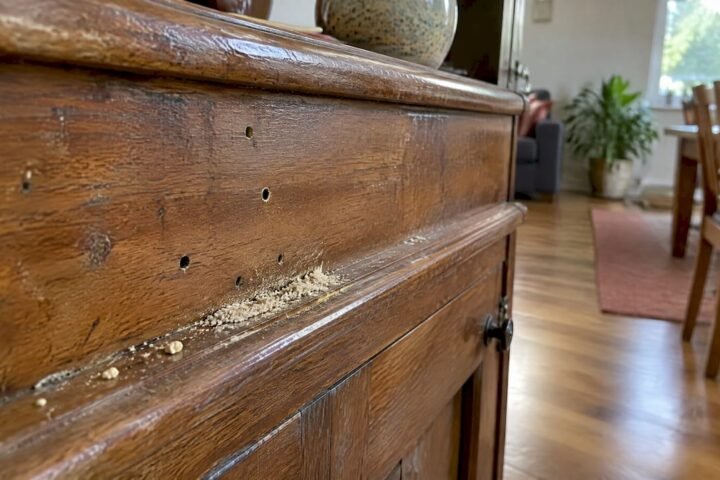
Adult bed bugs are flat, reddish brown, and roughly the size of an apple seed. Nymphs are smaller and translucent, almost yellowish, before their first blood meal darkens them. You’re looking for four kinds of evidence: live insects, tiny pale eggs tucked into seams, shed skins left behind as they molt, and rust colored fecal spots that look like a marker bled through fabric.
Offices behave differently than homes. There’s no bed for bugs to nest near, so they hide in seams of upholstered chairs, inside desk drawers, behind skirting boards, or in bags and coats left under a desk overnight. Sightings during the day are common in workplaces because bugs get disturbed by daytime activity, unlike the nocturnal pattern typical in bedrooms. That daytime movement is often a sign of a reintroduction event rather than an established breeding population.
Some conditions raise the odds of a real problem taking hold:
- Cluttered storage rooms or archive areas that go unchecked for months
- Upholstered seating in reception or break rooms
- Secondhand or donated furniture brought in without inspection
- High visitor turnover, including client meetings and hot desking
Pro Tip: A negative sighting in one area doesn’t clear the whole floor. Bed bugs travel through wall voids and cable conduits, so check adjoining rooms even when the desk itself looks clean.
What Should Employees Do Immediately After Finding a Bed Bug?
Your first move matters more than your fifth. Follow these steps in order:
- Stop moving your bag, coat, or papers away from the area where you spotted the bug.
- Capture the insect in a small sealed jar, on tape, or in a zip bag. If you can’t catch it, take a clear photo with something for scale, like a coin.
- Do not crush it. A crushed bug is harder to confirm and can smear evidence you’ll want a technician to see.
- Seal any clothing or bags that may have been in contact into a plastic bag until they can be laundered.
- Report the sighting to your manager or facilities contact before returning to your desk.
- Avoid carrying the bagged items home on public transport or in a shared car until they’ve been through a hot wash.
For anything washable, health authorities recommend laundering at 60°C and drying on high heat. If an item can’t be laundered, sealing it in plastic and having it heat treated or professionally serviced is the safer alternative.
Pro Tip: Keep the sealed bag away from other people’s desks and out of shared kitchen or storage areas. Cross contamination during the reporting window is how a single hitchhiker becomes a floor wide headache.
What Should Employers and Facilities Managers Do First?
A facilities manager or designated WHS officer should lead the initial response, not whoever happens to answer the phone. Inspection needs to cover more ground than just the desk where the bug turned up.
- Check desks, chairs, lockers, and any upholstered furniture within a few meters of the sighting
- Extend the inspection to adjacent rooms, shared storage, and common areas like kitchens and meeting rooms
- Communicate with staff plainly and without naming individuals, focusing on facts and next steps rather than alarm
- Isolate the affected area if practical and limit unnecessary foot traffic while the investigation proceeds
- Keep a written record of the date, location, evidence found, and actions taken
A short-term closure of one room is sometimes the simplest way to contain a suspected problem while you wait for a professional inspection. It’s rarely necessary to close an entire floor over a single report, and doing so can create more disruption than the sighting itself justifies. PestWorld’s office guidance points out that clear reporting policies and quick staff education do more to contain a problem than a dramatic shutdown.
When Should You Call a Licensed Pest Manager?
Certain signs mean it’s time to stop guessing and bring in a professional. Call a licensed operator when you see:
- More than one live insect or sighting reported across different desks or days
- Physical evidence like fecal spotting, shed skins, or eggs, not just an unconfirmed insect
- Multiple employees reporting bite marks or itching
- Evidence turning up in more than one room, which suggests movement through the building
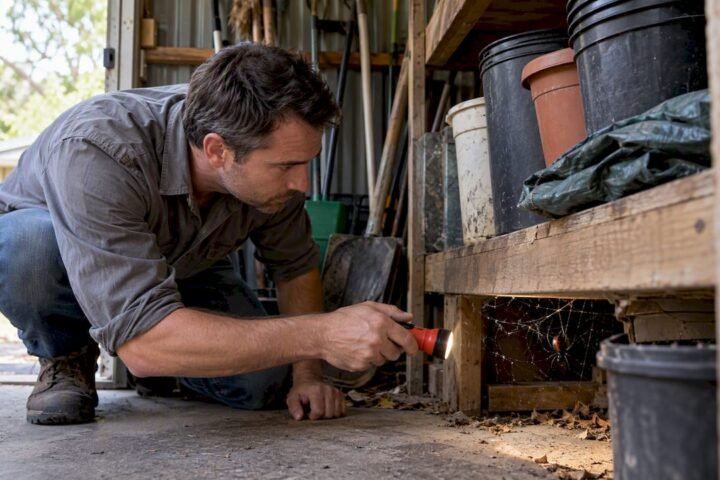
A qualified technician will run a methodical visual inspection, map suspected harborage points room by room, and check spaces adjoining the original sighting. Most credible treatment plans combine heat treatment, targeted insecticide application, and sealing likely hiding spots, then schedule follow-up visits to confirm the job worked. That multi-method approach exists because bed bugs in many regions have developed resistance to certain chemical treatments, so a single spray is rarely enough on its own.
Best-practice frameworks like the AEPMA Code of Practice call for documented management plans, trained technicians, and scheduled follow-up inspections, not a one-and-done spray job.
If you want a sense of what a documented bed bug treatment process looks like from inspection through follow-up, it typically runs across several visits rather than a single appointment.
Can You Prevent Bed Bugs From Coming Back?
Prevention in an office comes down to reducing hiding spots and catching activity early, not sealing the building like a bunker. A few operational habits go a long way:
- Provide hooks or lockers so personal bags and coats don’t sit on carpet or under desks overnight.
- Screen any secondhand or donated furniture before it enters the building.
- Keep storage rooms and archive spaces decluttered so inspections are actually possible.
- Repair cracks in skirting boards and seal gaps around cable conduits.
- Run periodic checks using sticky detection monitors in higher risk areas like reception seating.
- For larger or higher risk sites, trained detection dogs can be used to check for reinfestation between routine inspections.
Monitoring devices like the Catchmaster BDS confirm activity and help focus a technician’s attention, but a quiet monitor doesn’t guarantee a clean building. Treat them as one part of a broader inspection routine, alongside staff training and a clear reporting pathway. Pairing this with a regular office cleaning schedule that includes furniture seams and storage areas makes early detection far more likely.
What Should a Credible Pest Control Provider Deliver?
A reputable technician doesn’t just show up, spray, and leave. Expect a written inspection report with a site plan marking suspected harborage points, a documented treatment schedule, and clear safety notes for anyone working near treated areas. Follow-up visits should already be built into the plan, not offered as an upsell later.
Look for a few concrete proof points before you sign off on a provider:
- Licensed technicians who can explain their inspection method, not just their price
- A multi-stage approach that combines detection, treatment, and follow-up rather than a single visit
- Safe, documented practices suited to workplaces with families and pets nearby
- A willingness to put the treatment plan in writing before work begins
Pro Tip: If a provider promises a single visit will solve everything, that’s a red flag. Reputable operators build in at least one follow-up inspection because bed bug eggs can survive an initial treatment and hatch days later.
Why Panic Is the Wrong First Response
Most office sightings are introductions, not infestations. Someone brought a hitchhiker in on a bag or coat, and quick, documented action almost always keeps it that way. The mistake I see repeated is treating a single bug like a crisis instead of a process. Build detection and reporting into your existing cleaning and WHS routines, and a bed bug sighting becomes a manageable checklist item instead of an emergency.
— navin
Get a Professional Bed Bug Inspection Booked Fast
A professional pest management service gives Canberra offices a documented, multi-stage response instead of a guess-and-spray visit. Licensed technicians run a full inspection, map affected areas, and combine treatment methods with scheduled follow-ups so eggs that survive round one don’t turn into round two.

Before you book, it helps to have photos of what you found, a written log of when and where sightings occurred, and clear access to the affected desks or storage areas. That prep speeds up the inspection and gives our technicians a real starting point instead of a cold trail. If you’re dealing with other pest concerns alongside a bed bug scare, our general pest control services cover most workplace needs in one visit. For bed bugs specifically, check our bed bug inspection and treatment page and get in touch to schedule a site visit this week.
Where to Go for Further Detail
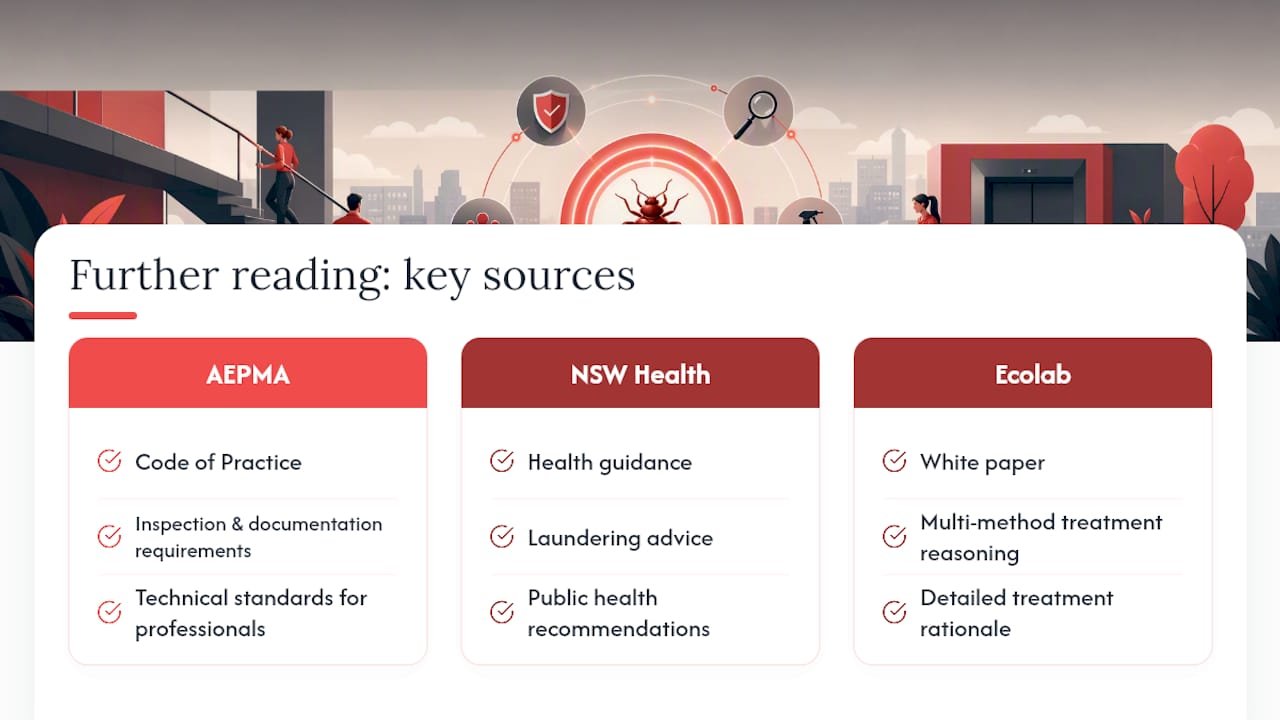
For the technical standards behind professional treatment, the AEPMA Code of Practice lays out inspection and documentation requirements. NSW Health covers health guidance and laundering advice, while the Ecolab white paper explains multi-method treatment reasoning in more depth.
Sources
- A Code of Practice for the Control of Bed Bug Infestations
- Bed bugs — NSW Health
- Detection through protection: solutions for fighting bed bug infestations — Ecolab
- Tips for bed bugs in the office — PestWorld
FAQ
Can bed bugs survive in an office?
Yes, though offices rarely provide the food access a bedroom does. Bed bugs can survive in office furniture, storage areas, and wall voids while feeding opportunistically on people at desks, especially during quiet hours or when items sit undisturbed for weeks.
Can you go to work if you have bed bugs at home?
There’s no rule against it, but bagging your clothing and bag before leaving home, and changing at work if possible, reduces the chance of bringing bugs in with you. Report the situation to your employer so they can watch for signs without needing personal details.
What if a coworker has bed bugs?
Avoid sitting in their chair or handling their belongings until the area has been checked, and report it to facilities so an inspection can happen quickly. There’s no need to isolate the coworker socially. Bed bugs spread through contact with infested items, not person to person contact.
Should you go to work with bed bugs?
Going to work isn’t a health risk to others since bed bugs don’t spread disease, but taking precautions with your bag and clothing prevents you from carrying bugs into a shared space. If bites are severe or causing skin infection, see a doctor before returning to normal routines.
Recommended
- Pest Control Bed Bugs
- Bed Bugs Control
- Professional Pest Control Services
- Professional Pest Control Services