You wake up with itchy bites and assume bed bugs. But if birds have been nesting on your roof or in eaves, the source may be above your bedroom, not in your mattress. Bird mites are a recognised public health pest in Australia, and enHealth guidance lists them separately from bed bugs, so they deserve a different investigation and a different fix. Before you strip the bed or reach for an indoor spray, start at the roof and follow the signs downward.
This guide walks beginners through why bites after birds nest on your roof rarely come from your mattress; how to tell bird mites vs bed bugs before you treat; and what bird mites are. You will trace the route from roof to bedroom, inspect roof, eaves, gutters, vents, confirm the nest and birds using it, and check indoors for mite movement. You will also see why treating the bedroom alone will not solve bird mites, why the nest has to go, why that is not a DIY job, and when professional bird mite pest control is the answer. We finish with what to do tonight while you wait for treatment and why fixing the roof stops the bites.
Why Bites After Birds Nest on Your Roof Rarely Come From Your Mattress
Bites usually appear indoors after birds nest in your roof or eaves. Mites thrive in the nest material there, and humans are exposed once young birds fledge and mites lose their host. The nest, not the mattress, is the reservoir.
Bird mites are a distinct public health pest in Australia, not a bed bug variant. That separation matters: the two have different fixes.
Human infestation here is documented. A Wollongong case from mid-December 1996, reported in Communicable Diseases Intelligence in 2003, traced hundreds of bites to a starling nest under eaves beside a bedroom.
If you have washed bedding, vacuumed, replaced pillows and treated the mattress without lasting relief, the source likely sits outside the room. That is reasoning from the biology, not a cited finding; no Australian source reviewed quantifies how often bird mite bites are misdiagnosed as bed bugs. They do bite people and form a separate pest category. Where bird mites come from.
Bird Mites vs Bed Bugs: Telling Them Apart Before You Treat
If the bed is clean, the next question is which pest you have.
Bed bugs live where people sleep: mattress seams, frames, headboards, skirting and furniture. Bird mites are blood-sucking nest parasites of birds, moving from roof and eave nests into wall cavities and rooms.
Bed bugs hide during the day, and early signs are blood streaks or faecal spots on bedding; inspect mattress seams, frames and skirting for live insects, cast skins and eggs. Mites feed on the skin surface and cannot burrow (Colorado State).
Bird mites are minute, northern fowl mites reaching about 0.5 mm (Colorado State). Bed bugs are reddish-brown, oval, flattened and wingless, just under one-quarter inch long, with cast skins and faecal spotting.
Bird mites surge when nestlings fledge or a nest is abandoned, so trouble appears suddenly.
| Bed bugs | Bird mites | |
|---|---|---|
| Source | Sleep areas | Bird nests |
| Where | Seams, frames, skirting | Roof voids, wall cavities |
| Size | Just under ¼ inch | Under 1 mm |
| Early signs | Blood streaks, faecal spots on bedding | Specks near windows, cornices |
| Resolved by | Indoor treatment | Nest removal + treatment |
The fix differs: bed bugs need targeted indoor treatment, while bird mites need the nest addressed too.
What Bird Mites Are and Why Guidance Lists Them Separately
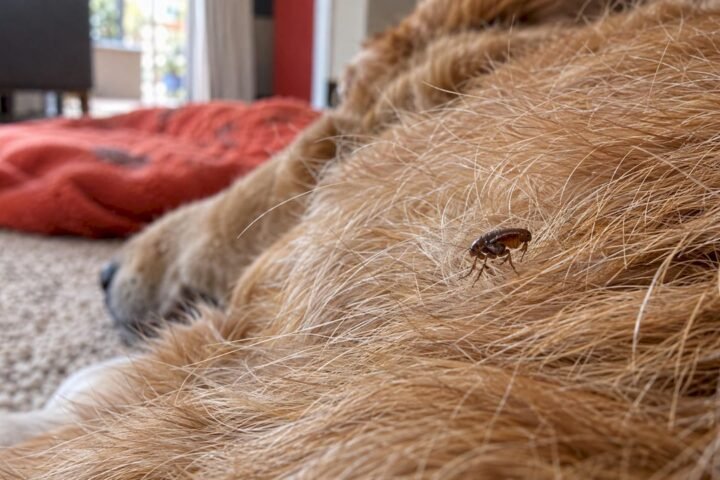
Bird mites are small parasitic mites associated with birds. They feed on bird blood and bite humans when their usual hosts leave the nest, which is why bites appear indoors with no obvious indoor cause.
enHealth’s national guidance lists Bird mites as a distinct arthropod pest, separate from bed bugs and rodent mites. They are not the same pest or stages of each other.
The 1996 Wollongong case (noted above) remains the only quantified local record.
enHealth notes contact between people and pests will continue to increase as our population grows, a trend statement rather than a dated forecast.
Source check: the enHealth PDF is labelled 2025-10 while the copyright reads 2013, so confirm the version before citing it. Nesting birds also leave droppings that carry their own health risks.
Trace It First: Walking the Route From Roof to Bedroom
Next, look at the roof, not the mattress. Confirm the source before paying for indoor treatment.
You need a torch, phone camera, gloves and a notebook or phone notes. Add a ladder only if you can use it safely. Never walk a tiled roof or enter a roof void without proper access and a second person.
Tracing decides the treatment. Bed bugs mean an indoor job (see our Room-by-Room Bed Bug Prep Checklist); bird mites mean nest removal plus treatment of the roof void, eaves and affected interior surfaces. Bird mites can migrate from nests onto structures and bite people.
Before you start: consult a professional before disturbing any nest, as doing so may move mites further into the building before treatment is in place.
Step 1: Inspect the Roof, Eaves, Gutters and Vents
Do your first pass from the ground and from windows where you can. Scan the underside of eaves, gutters, downpipe brackets, fascia gaps, external vents, air-conditioning units and the space beneath solar panels.
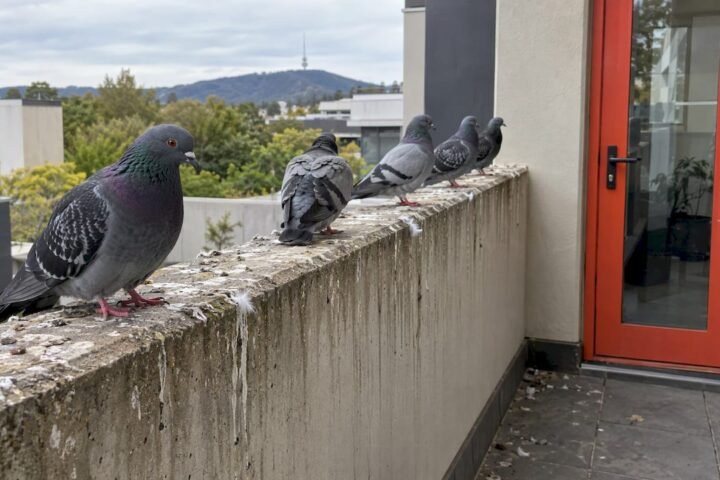
Look for nest material, not just birds: twig, grass or mud nests, plus droppings and feathers on ledges, in gutters and around roof penetrations. Note live activity and whether nestlings are present; indoor mite problems often spike when chicks fledge and the nest is abandoned.
Map each site against your floor plan. Bedrooms sharing a ceiling or wall with the roof void are usually first to show activity, and that pattern supports the diagnosis.
Photograph your findings with dates, and log when birds nested, when chicks left and when bites began. That record speeds up any professional inspection, and our home pest inspection checklist by room pairs with it.
Step 2: Confirm the Nest and the Birds Using It
Now that you have photographed likely nest sites, confirm two things: which bird is using the space, and whether the nest is active or abandoned. Common urban nesters include sparrows, starlings, pigeons and Indian mynas, confirm the species present rather than assuming. Whether the nest is active changes the plan. Protection rules and animal welfare mean removal is generally handled outside breeding periods, so check legal and animal welfare rules before removing a nest and confirm current guidance with NSW Health rather than assuming jurisdiction-specific rules apply.
Never seal, spray or knock down an occupied nest yourself. You risk bites, falls and legal exposure, and displaced mites are likely to seek the nearest available host, which is often inside the building. If you cannot safely see the nest, that alone justifies a professional roof-void assessment.
Step 3: Check Indoors for Mite Movement
Once you know which nest is in play, work the interior in the same order: rooms closest to it first, then any room sharing a ceiling or wall with the roof void. Mites migrate from nests onto structures (USU Extension).
Check windowsills, cornices, skirting, bed heads, curtain folds and power points for any sign of movement. Bird mites are small enough to read as dust until they move.
Rule bed bugs in or out properly. Inspect mattress seams, frames, headboards and skirting for live insects, cast skins and dark faecal spotting, using the same approach as The Hotel Room Inspection: Your First Defence. A clean bed plus ongoing bites points elsewhere.
Collect any visible specks on tape and have a pest manager confirm identification under magnification.
Finally, log where bites appear and when. A pattern tracking rooms nearest the nest, rather than sleep position, suggests bird mites.
Why Treating the Bedroom Alone Will Not Fix Bird Mites
That pattern, mites near cornices and no bed bug evidence, points to a source you cannot see from inside. While the nest remains in the roof or eave, mites keep emerging from the void, so indoor treatment only knocks down the mites inside at application.
Indoor work is also restricted: beds, mattresses, bedding and children’s play areas limit where residuals can be applied, cutting how much of the population an indoor-only job reaches. That is the likeliest reason people report repeat treatments with no lasting relief, and why pest control for bird mites should cover the roof void and eaves too.
Treat that failure as reasoning from the source-to-room pathway, not a published finding; the extracts reviewed contain no study confirming it. Reinfestation stays live while birds nest, since a new nest in the same eave can restart a treated house next season, so exclusion matters. Roof access drives this job, as with termite treatment options for Canberra homes.
Why the Nest Has to Go, and Why That Is Not a DIY Job
Because the nest keeps resupplying the mites, removal is the fix, eliminating the food source and breeding site that sustains the population drifting into your rooms.
Do not remove an occupied nest yourself. Bites are the obvious risk, but mites also travel indoors on clothing and tools, and ladder or roof work brings real fall danger. Some birds and their nests are legally protected, so timing matters.
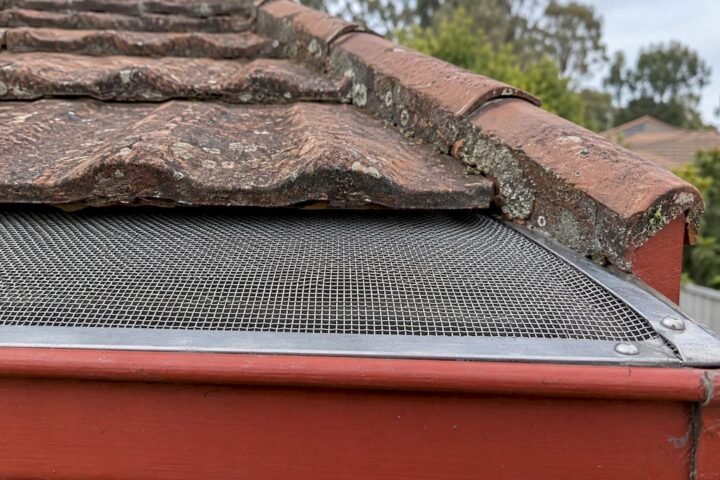
Once the nest is gone, seal the openings: gaps in eaves, fascia, vents and roof tiles. This exclusion stops birds returning and restarting the cycle, and spray-only jobs often skip it.
Removal alone is not enough. A residual treatment to the roof void, eaves and affected indoor surfaces deals with mites already inside and any stragglers.
Keep sourcing honest. SA Health publishes bird mite guidance, but the extract reviewed had no body text, so do not credit specific recommendations to it. The enHealth table of contents confirms that bird mites and bed bugs are listed as separate pest categories, supporting the roof-nest versus bedroom split.
When Bird Mite Pest Control Is the Answer
If the nest is unreachable, bites continue after cleaning, specks move near windows or cornices, or you cannot safely inspect the roof, stop treating indoors and book professional bird mite pest control.
A proper job covers the whole pathway: confirming the source, removing the nest, exclusion work to block birds re-entering, treatment of the roof void, eaves and affected interior areas, and a follow-up check rather than a single visit.
Ask how they confirm the source, whether nest removal is included or subcontracted, what exclusion work is done, which areas are treated, and what warranty applies.
If the source stays unclear, request the reasoning in writing: what was found, where, and why the treatment addresses it.
For ACT and surrounding NSW readers, BugsPatrol is a locally owned, licensed pest management company in Throsby, Canberra, serving residential and commercial customers. Its 12 month warranties, monthly payments, no upfront fees and rolling cover are company terms, not pest-control evidence. Treat it as one option among several.
What to Do Tonight While You Wait for Treatment
Before the treatment plan starts, limit your exposure. Keep windows near the nest closed, check flyscreens are intact and seated properly, and shift beds and cots away from walls and cornices where possible.
Wash bedding in hot water and dry on a hot cycle. Vacuum beds, skirting, cornices and windowsills, then empty the canister or bag outside immediately.
Avoid using unregistered products or whole-room foggers, these are unlikely to address a source outside the bedroom and should only be used under professional guidance. Save that effort for the areas being professionally treated.
For simple bites, cool compresses and pharmacist advice help. See a GP if bites spread, swell or look infected. This is general information, not medical advice.
Finally, log bite dates, bite locations and any specks you notice. A written record is the fastest way to confirm or rule out bird mites at inspection, and it sharpens every question you ask about the nest.
Conclusion: Fix the Roof, Then the Bites Stop
Kill the source, not the symptom. If bites began after birds nested over your roof, suspect bird mites before bed bugs. Trace the route from roof to eave to nest to room before paying for any indoor-only treatment, then remove the nest, seal the entry points, and treat the roof void and affected rooms together.
As noted above, enHealth lists bird mites as a distinct public health pest and the Wollongong case confirms human infestation is documented.
If the nest is out of reach, bites keep returning, or you cannot rule out bed bugs, book a professional roof-to-bedroom inspection. That assessment ends the guesswork.