If you’re seeing dark orange and black ants trailing across your kitchen bench at dusk, you’re almost certainly looking at a banded sugar ant (Camponotus consobrinus). Clear away sugary spills and pet food tonight, then place a sugar-based bait along the trail. If you find an actual nest inside a wall, spot wood damage, or get bitten by a large soldier ant, skip the DIY approach and call a licensed pest controller.
TL;DR:
- DIY methods like cleaning spills and placing bait are effective for small, outdoor foraging trails but often fail against established colonies inside walls.
- Heavy rain can cause colonies to relocate quickly, requiring homeowners to reapply outdoor bait and check entry points regularly.
- Professional pest control is recommended if nests are inside wall cavities, if baiting fails repeatedly, or if large soldier ants pose a biting threat.
- Seasonal activity peaks during warmer months, especially around dusk, making evening inspections crucial for locating trails and nests.
- Proper identification between sugar ants and lookalikes like coastal brown ants is essential, as control strategies differ based on species.
Table of Contents
- What Do Sugar Ants Look Like in Australia?
- Where Sugar Ants Live and When They Come Out
- Why Sugar Ants Suddenly Show Up in Your House
- Prevention and DIY Sugar Ant Control That Actually Works
- When to Call a Professional Pest Controller
- What Canberra Homeowners Can Expect From a Local Pest Service
- How Banded Sugar Ant Colonies Grow and Organize
- Why Sugar Ants Matter Beyond Being a Household Nuisance
- Can Sugar Ants Actually Contaminate Food or Surfaces?
- Where I’d Draw the Line Between DIY and Calling a Pro
- Ready for a Sugar Ant Inspection in Canberra?
- Sources
- FAQ
What Do Sugar Ants Look Like in Australia?
The banded sugar ant is one of the easiest Australian ants to identify once you know what to check. Workers run 5 to 15 millimeters long, with a jet black head and a gaster (the rear body segment) wrapped in a distinctive orange-brown band. That two-tone look is the giveaway most homeowners spot first, usually under a porch light or streaming across a kitchen tile at night.
Look closer and you’ll notice the workers aren’t all the same size. Camponotus consobrinus is polymorphic, meaning one colony produces both small “minor” workers and noticeably larger “major” workers, sometimes called soldiers. The size gap can be dramatic, almost double, and it’s normal, not a sign you have two separate infestations.
A few checks help you confirm what you’re dealing with before you act:
- Head color: Solid black head paired with the orange gaster band points to banded sugar ant.
- Size spread: A trail with both tiny and noticeably larger workers suggests an established colony, not a stray scout.
- Trail width: Thick, busy trails at dusk usually mean an active nest nearby; thin, sporadic lines often mean foragers passing through.
- Lookalikes: The coastal brown ant (Pheidole megacephala) is smaller, uniformly brown, and lacks the orange band; it tends to nest in soil and pavers rather than timber or wall cavities.
If your photo shows uniform brown ants with no band and a much smaller body size, you’re probably dealing with coastal brown ants in the house rather than true sugar ants, and the control approach differs slightly since coastal brown ant control often focuses more on paving and garden bed nests than indoor baiting.
Where Sugar Ants Live and When They Come Out
Banded sugar ants are widespread across south-eastern Australia, including the ACT, New South Wales, Victoria, and parts of Queensland. They favor mesic habitats, meaning areas with moderate moisture, and they’re far less common in the dry interior. If you live in Canberra or almost anywhere along the eastern seaboard, you’re in prime sugar ant territory.
Nests turn up in predictable spots once you know where to look:
- Under rocks, pavers, and garden logs
- In soil mounds near garden beds or lawn edges
- Inside rotting or moisture-damaged timber
- Occasionally in wall cavities, roof voids, or ceiling spaces of older homes
The behavior that trips up most homeowners is timing. Sugar ants are largely nocturnal and crepuscular, meaning their foraging peaks around dusk and continues into the night. A daytime inspection can look completely clean while the colony is fully active a few hours later. That gap explains why so many people say ants “appeared overnight.” They didn’t appear. You just weren’t looking at the right time.
This matters for anyone trying to manage them without a professional. If you inspect at 2pm and see nothing, that tells you very little. Walk the same path again about 90 minutes before sunset and you’ll likely catch the real picture, including where trails originate and how wide they run. That’s also the window when bait placement works best, because it lines up with peak activity rather than a quiet stretch of the day.
Why Sugar Ants Suddenly Show Up in Your House
Sugar ants don’t need much of an invitation. The Australian Museum notes that these ants forage heavily under outdoor lights in summer and actively collect nectar, honeydew from aphids, and other sweet secretions, which explains why kitchens and outdoor entertaining areas are such reliable targets.
Warm months drive a spike in visible trails simply because colonies are more active and foraging ranges expand. Recent landscaping, mulch changes, or heavy rain that floods an underground nest can also push a colony to relocate closer to your house, sometimes overnight.
Pro Tip: If ants vanish for a few days after rain, don’t assume the problem is solved. Flooded nests often relocate rather than die off, and they can resurface somewhere new within a week.
A quick attractant checklist to run through tonight:
- Wipe up sugary spills and sticky residue on benches and floors immediately.
- Store fruit, cereal, and sweets in sealed containers rather than open bowls.
- Pick up pet food bowls between meals instead of leaving them out all day.
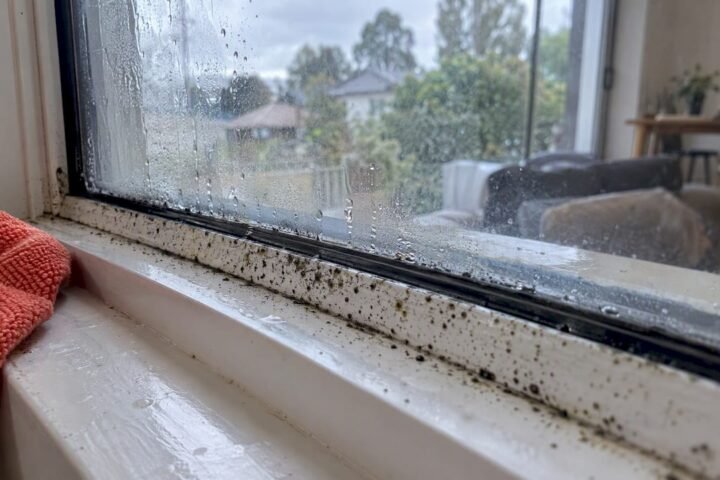
- Check for gaps around windows, skirting boards, and pipe entries where trails might be entering.
Prevention and DIY Sugar Ant Control That Actually Works
Here’s the uncomfortable truth about sugar ants behavior: they’re smart enough to make simple home remedies far less effective than people expect. Research on Camponotus consobrinus navigation shows the species uses tandem running, where an experienced forager physically leads a nestmate to a food source, combined with visual landmark recognition rather than relying purely on scent trails. That’s why spraying vinegar or essential oils across a trail sometimes just pushes the ants a few centimeters sideways to a new path.
Follow this sequence for genuine results:
- Remove the food source first. Victoria’s health department is blunt about this: insecticides alone will not stop re-infestation if crumbs, spills, and pet food stay accessible. Hygiene comes before any product.
- Place sugar-based bait directly on active trails, ideally outdoors or in low-traffic indoor zones, and keep it well away from children and pets. Ant baits work by transporting poison back to the nest, so resist the urge to spray the trail itself.
- Give the bait time to work. Expect 3 to 10 days for a visible decline in activity as the colony feeds and the effect spreads. Killing individual foragers with a spray does nothing for the nest.
- Seal entry points with door sweeps, caulk around window frames, and trim back plants and mulch touching the exterior walls.
- Clear nesting shelter like stacked timber, leaf litter, or garden debris sitting against the foundation.
A note on weather: heavy rain can wash away or dilute perimeter treatments and outdoor baits. If you’ve just had a big storm, check your bait stations and reapply where needed rather than assuming the job is done. Our ant control guide walks through indoor and outdoor placement in more detail if you want a fuller reference.
Avoid insecticide sprays directly on trails you’re also trying to bait. Sprays can trigger bait rejection, since disturbed ants sometimes avoid an area entirely, undoing days of progress in one afternoon.
When to Call a Professional Pest Controller
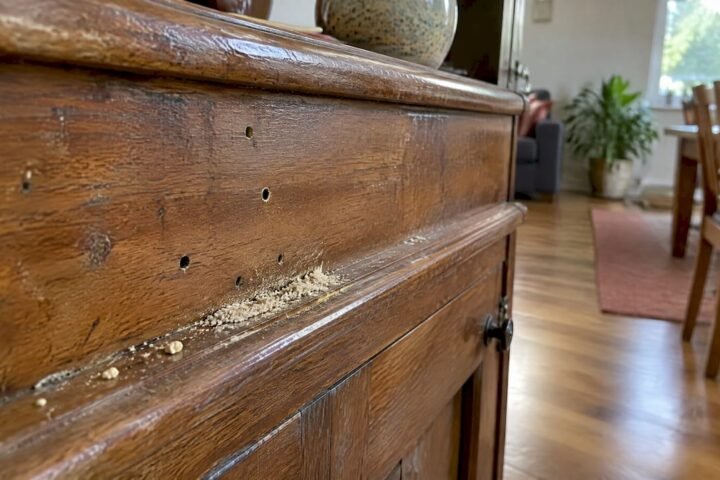
DIY control handles a lot of sugar ant situations, but certain signs mean it’s time to bring in a licensed technician rather than keep experimenting. Watch for a nest visible inside a wall or ceiling cavity, timber that looks chewed or damaged, repeated bait attempts that haven’t reduced activity after two weeks, or large soldier ants that bite and, according to Wikipedia’s summary of the species, can spray formic acid when threatened.
A professional visit typically follows a consistent structure:
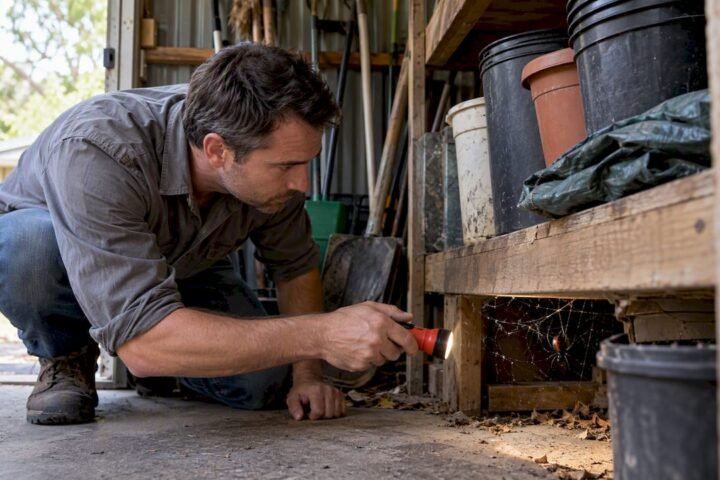
- A full property inspection to locate active trails and probable nest sites
- Targeted baiting or non-repellent treatments that let ants carry the product back to the colony undetected
- Exterior perimeter treatment to block new entry points
- A written summary of findings and a recommended follow-up schedule
Before you book, ask a few direct questions: what chemicals will be used, are they safe around children and pets, how long does the treatment guarantee last, and when is the follow-up visit scheduled? Reasonable answers to all four suggest you’re dealing with a properly licensed operator. If you’re weighing whether to keep trying home remedies or bring in help, our breakdown of DIY vs professional pest control covers the tradeoffs in more depth.
Realistic timelines matter here too. Most professional treatments show measurable improvement within 3 to 14 days as bait acceptance leads to colony suppression, though heavy rain shortly after treatment may require a reapplication visit.
What Canberra Homeowners Can Expect From a Local Pest Service
Bugspatrol Pest Management has serviced more than 5,000 Canberra homes over more than 10 years of local pest control work, which matters for a species whose activity and nesting habits shift with the ACT’s seasonal patterns. A typical approach for a sugar ant call includes a licensed inspection of the property, targeted baiting matched to the trail locations found on-site, and treatments chosen with children and pets in mind rather than generic broad-spectrum sprays. Thermal imaging, normally associated with termite inspections, can also help locate hidden nest activity in wall cavities on the same visit.
Before you call, a bit of preparation speeds things up:
- Take a few photos of trails or ants, ideally at night when they’re most active
- Note the times of day you’re seeing the most activity
- Mark down where trails start and end, even roughly
- Mention any DIY steps you’ve already tried, including baits or sprays
This article is informational and doesn’t replace an on-site assessment, but for Canberra area readers dealing with a persistent trail or a suspected wall nest, a local inspection is usually the fastest way to get a definitive answer.
How Banded Sugar Ant Colonies Grow and Organize
A banded sugar ant colony runs on the same basic ant blueprint as most social insects, built around a single reproductive queen supported by a workforce that never reproduces. The queen lays eggs continuously through warmer months, and those eggs develop through larval and pupal stages before emerging as adult workers, a process that typically takes several weeks depending on temperature.
What makes Camponotus consobrinus colonies interesting is the worker size range mentioned earlier. Young colonies tend to produce mostly minor workers, the smaller foragers you see running trails to a food source. As a colony matures and its population grows, it starts producing more major workers, the soldier caste responsible for nest defense and handling larger threats.
Mature colonies can house thousands of workers spread across a network of chambers, often extending well below a nest entrance that looks unremarkable from the surface. This underground structure is part of why surface treatments alone rarely eliminate a colony. Reproductive cycles typically peak in warmer months, which lines up with the seasonal spike in visible foraging that so many Australian households notice around summer. Winged reproductive ants, both males and future queens, are produced periodically and disperse to start new colonies elsewhere, which is one reason a well-established sugar ant population in your area rarely disappears entirely on its own.
Why Sugar Ants Matter Beyond Being a Household Nuisance
It’s easy to view every ant on the kitchen bench as purely a problem, but banded sugar ants play a genuine role in the broader Australian ecosystem outside the house. As omnivorous foragers, they help control smaller insect populations, break down organic material, and assist in seed dispersal for some native plants, functions that matter more in bushland and garden settings than most homeowners realize.
Their foraging habits also link them into a wider food web. Sugar ants are a food source for various birds, reptiles, and other invertebrate predators, and their underground nesting activity contributes to soil aeration in the same way earthworms do, gradually improving drainage and organic turnover in garden beds and natural areas alike.
None of that changes the calculus once ants are inside your home. A species being ecologically useful in the backyard doesn’t mean it’s welcome on the kitchen counter, and the same colony that’s harmlessly foraging in the garden can become a persistent nuisance the moment it finds an easy food source indoors. The practical takeaway is simpler than it sounds: manage sugar ants where they cause a problem, and there’s no need to eliminate them from the garden altogether. Targeted indoor and perimeter control does the job without disrupting what they’re doing outside.
Can Sugar Ants Actually Contaminate Food or Surfaces?
Beyond the annoyance factor, sugar ants carry a real, if often underestimated, hygiene concern. These ants forage across a wide range of surfaces, including garden soil, garbage areas, and drains, before walking straight across kitchen benches, cutting boards, and open food containers. That foraging path means they can transfer bacteria and other contaminants onto surfaces where food gets prepared.
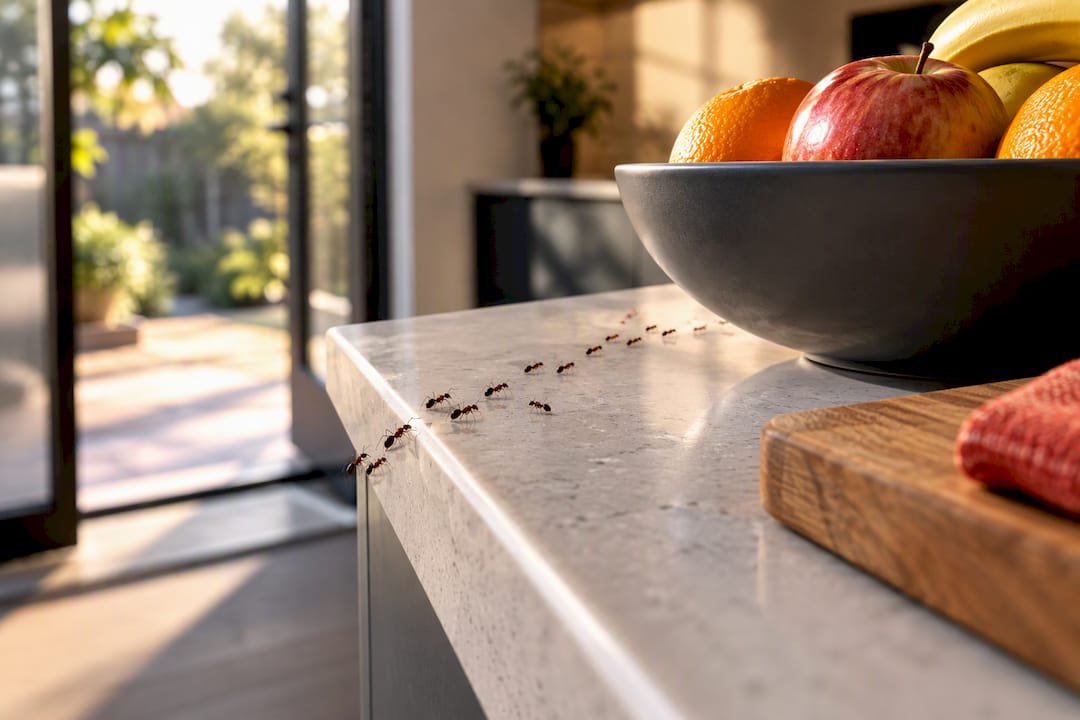
This risk is exactly why Victoria’s health department frames ant management as a hygiene issue, not just a pest issue. It’s not simply about the ants themselves, but about what they’ve walked through beforehand and where they’re walking next. A trail crossing from an outdoor bin straight to an indoor fruit bowl is a legitimate contamination pathway, even though the ants themselves aren’t dangerous to touch.
Large soldier ants add a second, more direct concern. They can bite, and some release formic acid when they feel threatened, which causes a sharp, temporary sting sensation rather than a lasting injury. It’s rarely serious for adults, but households with young children, pets, or anyone with a known insect sensitivity have good reason to treat a heavy soldier ant presence as more than a cosmetic nuisance. Combined with the potential for wood-moisture damage in long-established colonies nesting in decaying timber, sugar ants sit in a gray zone: mostly a hygiene and comfort issue, occasionally something closer to a genuine property or health concern.
Where I’d Draw the Line Between DIY and Calling a Pro
Most single indoor trails, especially the kind that show up once or twice near a fruit bowl, are genuinely a DIY job. Clean hygiene and a well-placed sugar bait resolve the majority of these cases within a week or two, and there’s no reason to spend money on a callout for a handful of foragers.
Where I’d change my approach fast is anything structural: ants coming out of a wall cavity, repeated trails after two rounds of baiting, or soldier ants biting household members — situations that demand professional attic guano cleanup: when to DIY and when to call a pro expertise rather than home remedies. At that point you’re not managing foragers anymore, you’re dealing with an established colony, and a licensed technician with access to non-repellent treatments and proper nest-location tools will solve it faster and more safely than another round of home remedies, particularly in homes with young kids or pets underfoot.
— navin
Ready for a Sugar Ant Inspection in Canberra?
If hygiene fixes and a sugar bait haven’t stopped the trails, or you’d rather skip the trial-and-error phase entirely, a professional pest management service can provide Canberra households a faster path to a resolved infestation than working through DIY steps alone. Licensed technicians inspect the property, locate the nest rather than just the visible trail, and use treatments selected with families and pets in mind, backed by scheduled follow-up visits rather than a one-and-done spray.

For sugar ant activity, wall cavity concerns, or a trail that keeps coming back no matter what you try, our general pest control service covers targeted ant treatment across Canberra and surrounding suburbs. Homeowners dealing with recurring seasonal pest pressure can also look at our ongoing protection plans, including Bronze General Pest from $29.98 AUD per month, for year-round coverage instead of booking a one-off visit every time ants reappear. Get in touch to book an inspection and find out what’s actually driving the activity in your home.
Sources
- Sugar Ant – The Australian Museum
- Ants – pest control (Victoria State Government)
- Tandem running and navigation in Camponotus consobrinus (ANU open research repository)
- Banded sugar ant — Wikipedia
FAQ
How Do You Get Rid of Sugar Ants in Australia?
Remove food attractants like spills, crumbs, and exposed pet food first, since insecticides alone don’t stop re-infestation if attractants remain. Then place a sugar-based bait directly on active trails and give it 3 to 10 days to work through the colony. If trails persist after two attempts, a licensed technician can apply non-repellent treatments and locate the nest directly.
Do Australian Sugar Ants Bite?
Yes, particularly the larger “major” worker ants in a banded sugar ant colony, which can bite and spray formic acid when threatened. The bite typically causes a sharp, short-lived sting rather than a serious injury, though households with young children or pets should treat frequent soldier ant sightings as a sign to escalate control.
Why Do I Suddenly Have Sugar Ants in My House?
Sudden appearances usually track back to warm weather, sugary spills, or pet food left out, since sugar ants forage heavily for nectar and honeydew in summer months. Recent rain that floods an outdoor nest can also push a colony to relocate closer to your house almost overnight.
What’s the Difference Between Sugar Ants and Coastal Brown Ants?
Banded sugar ants have a black head and a distinct orange-brown band on the gaster, while coastal brown ants are smaller and uniformly brown with no band. Coastal brown ants in the house tend to nest in paving and garden beds, while sugar ants more often nest under logs, rocks, or occasionally in wall cavities.
How Much Does Professional Ant Control Cost With Bugspatrol Pest Management?
Pricing depends on the property and extent of the infestation, so current costs for a one-off treatment are available directly through Bugspatrol’s general pest control page. For ongoing protection, the Bronze General Pest plan is listed at $29.98 AUD per month through Bugspatrol’s subscription plans.