The most effective aphid control doesn’t start when you see the first cluster on your roses — it starts months earlier. Canberra’s distinct four-season climate means aphid pressure varies dramatically throughout the year, and the actions you take in each season directly influence how severe (or manageable) the next season’s aphid activity will be. This guide gives you a clear, actionable plan for every month of the year.
Understanding Canberra’s Aphid Calendar
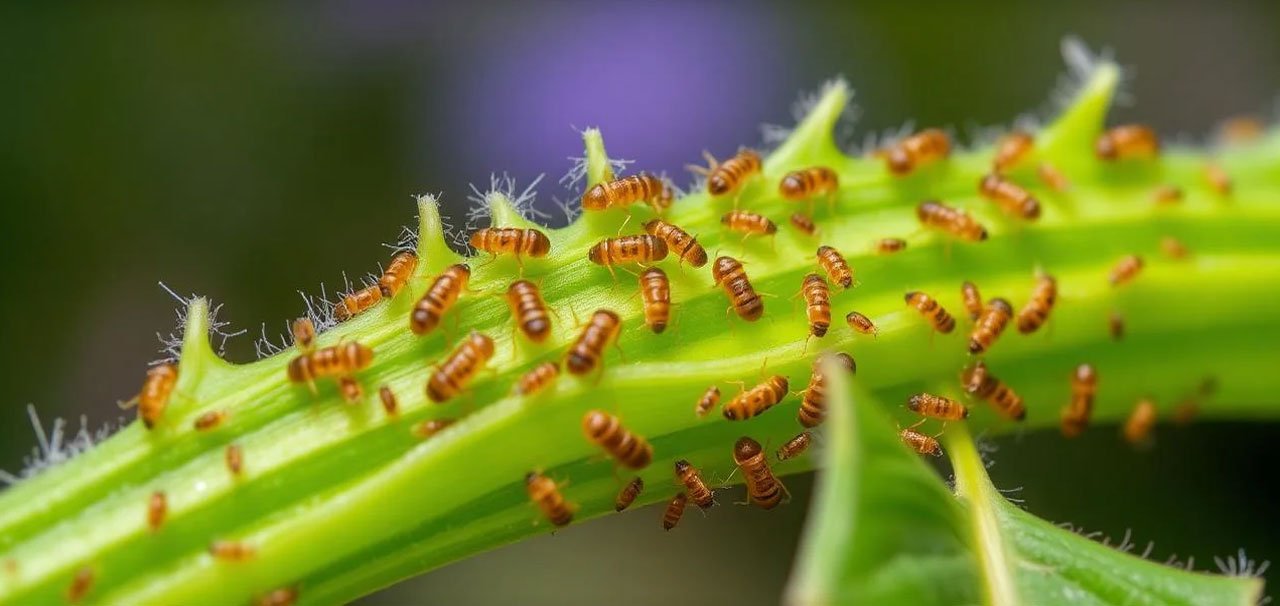
Aphid populations in Canberra follow predictable cycles driven by temperature, rainfall, and plant growth. The primary peak occurs in spring (October-November) when warming temperatures coincide with a flush of soft new plant growth — aphids’ preferred food. A secondary, smaller peak often occurs in autumn (March-April) on brassicas and late-season crops.
Between these peaks, summer heat can actually suppress aphid populations (most species struggle above 30°C), and Canberra’s cold winters kill exposed adults. However, eggs and sheltered colonies survive to restart the cycle in spring.
Sep–Nov
Primary aphid peak
Mar–Apr
Secondary peak
80
Offspring per week
Aug
Start prevention
Season-by-Season Prevention Plan
Winter (Jun–Aug)
- Remove dead plant material that harbours aphid eggs
- Clean greenhouse surfaces and pots
- Prune dormant fruit trees — remove egg-laden branches
- Plan companion planting layout for spring
- Order beneficial insect lures or ladybird attractants
- Inspect winter vegetables for overwintering aphids
Spring (Sep–Nov)
- Begin weekly plant inspections from September
- Apply preventive neem oil to roses and fruit trees
- Plant nasturtiums, marigolds, and dill as companions
- Treat any ant nests near garden beds
- Use strong water spray at first sign of aphids
- Avoid high-nitrogen fertilisers during peak risk
Summer (Dec–Feb)
- Monitor for heat-stress vulnerability (aphids target weak plants)
- Maintain regular watering to keep plants healthy
- Replace sticky traps monthly to monitor populations
- Apply insecticidal soap if populations spike
- Encourage ladybirds — don’t spray beneficial insects
- Call professional help if infestations persist beyond 2 weeks
Autumn (Mar–May)
- Watch for secondary aphid peak on autumn crops
- Protect brassica seedlings with fine mesh netting
- Clean up fallen leaves and plant debris
- Apply dormant oil spray to deciduous fruit trees (May)
- Remove heavily infested plants to prevent egg-laying
- Schedule professional autumn garden treatment if needed
Building a Predator-Friendly Garden
The most sustainable aphid control comes from establishing a healthy population of natural predators in your garden. A single ladybird can eat 50 aphids per day. Lacewing larvae are even more voracious. Hoverfly larvae consume hundreds of aphids before pupating.
To attract these beneficial insects to your Canberra garden, plant a diverse range of flowering plants that provide nectar and pollen year-round. Good choices for the ACT climate include dill, fennel, yarrow, alyssum, cosmos, and native daisies. Avoid broad-spectrum insecticides that kill beneficial insects alongside pests.
Creating insect hotels and leaving some areas of your garden slightly wild provides overwintering habitat for predators. A garden with a healthy predator population will naturally suppress aphid outbreaks without chemical intervention.
Fertilising Without Feeding Aphids
One of the most common mistakes that promotes aphid infestations is over-fertilising with high-nitrogen fertilisers. Nitrogen drives rapid, soft new growth — exactly what aphids prefer. Instead, use slow-release fertilisers, apply compost rather than synthetic fertilisers during peak aphid season, and choose balanced formulations (equal N-P-K ratios) for susceptible plants like roses.
Timing matters too. Avoid fertilising roses and fruit trees in early spring when aphids are emerging. Wait until after the initial spring flush when new growth has hardened off, or fertilise in late winter before aphid season begins.
When Prevention Needs Professional Backup
Even the best preventive program can be overwhelmed in a bad aphid year. Canberra occasionally experiences perfect conditions — a mild winter followed by a wet spring — that produce aphid populations beyond what natural controls can manage. When this happens, professional treatment provides a targeted reset that gets your garden back on track.
Need Help With Garden Pests?
Bugs Patrol offers targeted garden pest treatments that protect your plants without harming beneficial insects. Safe for edible gardens, families, and pets.
Still have questions?
The best pest control company will solve your issue for a long time. Bugs Patrol is Canberra’s trusted choice for professional aphid prevention with lasting results.
Frequently Asked Questions
Aphid activity in Canberra typically begins in September as temperatures warm, peaks from October through December during spring growth, and can continue through autumn. A secondary peak often occurs in March-April. Winter activity is minimal but greenhouse and indoor plants can be affected year-round.
Start preventive measures in August before aphid season begins. Inspect plants weekly for early signs, avoid over-fertilising with nitrogen, encourage beneficial insects by planting companion flowers, apply preventive neem oil sprays to susceptible plants, and manage ant populations that protect aphid colonies.
Some aphid species survive Canberra winters as eggs laid on dormant plants and bark. Others overwinter as adults on sheltered evergreen plants, winter vegetables, and greenhouse plants. These survivors kickstart new populations in spring, which is why winter garden hygiene matters for aphid prevention.
Begin preventive measures in August, about 4-6 weeks before typical aphid emergence. This includes cleaning up overwintering sites, planting companion plants, and establishing monitoring routines. Early intervention when you spot the first aphids in September prevents the exponential population growth that makes control difficult later.