Canberra’s four distinct seasons each bring a different cast of insect invaders. Understanding the seasonal rhythm of pest activity helps you stay one step ahead — preventing infestations before they take hold and protecting your family, pets, and property throughout the year.
Spring (September – November): The Awakening
As temperatures climb above 15°C, dormant insect populations come alive. Spring in Canberra signals the start of breeding season for most common pests.
Spring Pests to Watch
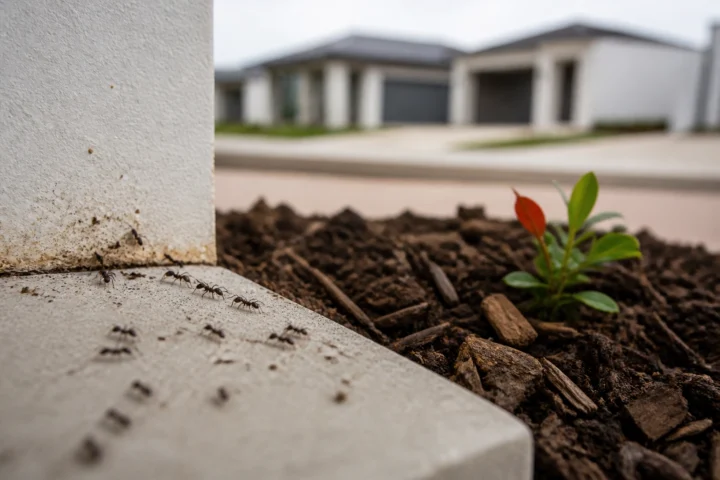
- Ants — Colonies expand rapidly and scout for food indoors
- Wasps — Queens emerge and begin building new nests
- Spiders — Male spiders wander indoors looking for mates
- Termites — Swarming season begins, with alates flying from mature colonies
- Aphids — Garden infestations ramp up as new growth appears
Spring is the most important time for preventive pest control. A professional perimeter treatment in September or October creates a chemical barrier that reduces insect entry throughout the warmer months. This single investment typically delivers four to six months of protection.
Summer (December – February): Peak Activity
Summer is when insect populations reach their highest numbers. Canberra’s hot, dry conditions drive many species indoors in search of water and cooler shelter.
High-Risk Summer Pests
- Cockroaches (all species)
- Flies and mosquitoes
- European wasps
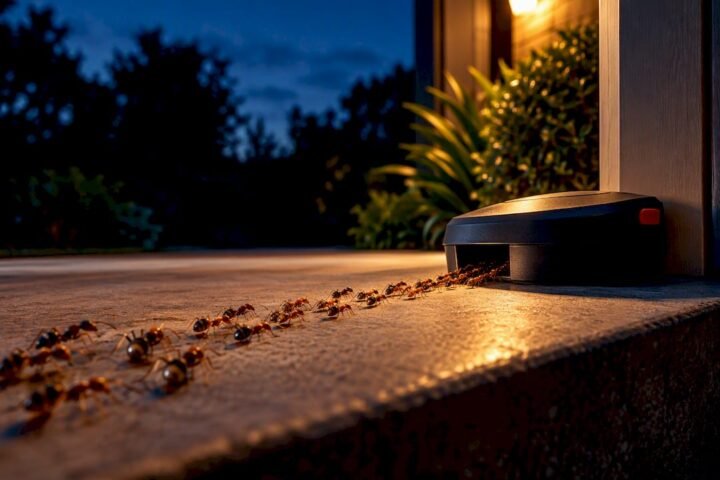
- Bull ants and fire ants
- Bed bugs (holiday travel)
Summer Prevention Tips
- Seal all food in airtight containers
- Fix dripping taps and leaky pipes
- Clear standing water from gardens
- Install fly screens on windows
- Keep bins sealed and clean
Cockroaches become particularly problematic during Canberra summers. German cockroaches breed rapidly indoors, while Australian and American cockroaches enter homes from gardens. A professional cockroach treatment using gel baits and residual sprays provides effective control that DIY methods rarely achieve. Mosquito activity also peaks in January and February, especially after summer storms create breeding pools. Removing standing water from pot saucers, blocked gutters, and bird baths significantly reduces mosquito populations around your property.
Autumn (March – May): The Migration Indoors
As nights cool, many insects seek warmth and shelter inside homes. Autumn brings a shift from outdoor to indoor pest pressure.
Spiders become more visible in autumn as they move indoors. Redback spiders retreat to garages, sheds, and under outdoor furniture. Huntsman spiders enter through gaps around doors and windows. While huntsman spiders are generally harmless, their size can be alarming — and a professional spider treatment creates a residual barrier that keeps them out.
Rodents also begin moving indoors during autumn, and they often carry fleas, ticks, and mites with them. Addressing rodent entry points in March and April prevents secondary insect infestations throughout winter.
Lawn grubs reach damaging levels in late autumn, feeding on grass roots beneath the soil surface. Brown patches that peel back easily indicate a grub infestation requiring targeted treatment before winter dormancy locks the damage in.
Winter (June – August): Hidden Threats
While insect activity slows dramatically during Canberra’s cold winters, many pests don’t disappear — they simply hide better. Winter is actually an excellent time for certain pest control treatments because insects are concentrated in smaller areas and easier to target.
Winter-Active Pests in Canberra
- Silverfish — Thrive in damp, cool areas like bathrooms and laundries
- Cockroaches — German cockroaches remain active indoors year-round
- Spiders — Redbacks and black house spiders shelter in warm corners
- Carpet beetles — Feed on natural fibres in heated rooms
- Termites — Continue feeding underground, even in cold weather
Winter termite inspections are particularly valuable because termites remain active below the frost line. A thorough inspection in July or August can detect colonies before spring swarming disperses them further.
Year-Round Protection: The Smart Approach
The most cost-effective approach to insect control in Canberra is a scheduled annual treatment program. Rather than reacting to infestations as they occur, proactive homeowners invest in regular treatments that maintain continuous protection.
A typical annual program includes a comprehensive spring treatment covering internal and external areas, a targeted summer follow-up for specific issues, and a winter inspection to assess any hidden activity. This approach typically costs 30-40% less than reactive emergency call-outs over the same period.
Ready for Year-Round Protection?
Bugs Patrol offers comprehensive seasonal insect control plans tailored to Canberra homes. Book your free quote today.
Still have questions?
The best pest control company will solve your issue for a long time. Bugs Patrol is Canberra’s trusted choice for professional seasonal insect control in Canberra with lasting results.
Frequently Asked Questions
Flies, mosquitoes, ants, cockroaches, and wasps are most active during Canberra’s warm summer months from December to February. Heat drives many species indoors seeking water and cooler shelter.
Yes. Many insects like spiders, silverfish, and cockroaches move indoors during Canberra’s cold winters seeking warmth and shelter. Winter is also an excellent time for termite inspections.
Early spring (September-October) is ideal for preventive treatment before insect populations surge in the warmer months. This timing provides protection through summer and into autumn.