New homes in Canberra’s expanding suburbs offer perfect nesting opportunities for birds. Open eave spaces, unprotected roof vents, and gaps in fascia boards provide ready-made shelter that birds discover within weeks of construction. Installing bird proofing during the build phase is dramatically cheaper, more effective, and less disruptive than retrofitting after birds have already established nesting sites.
Why New Homes Attract Birds
Modern home designs in Canberra’s newer suburbs — Whitlam, Taylor, Denman Prospect, Strathnairn — often feature elevated roof lines, complex roofing geometry, and architectural details that inadvertently create perfect bird habitat. Open eave designs, decorative fascia gaps, and recessed areas provide sheltered nesting spots with protection from wind, rain, and predators.
Construction in previously undeveloped areas also displaces existing bird populations from native trees and ground nesting sites. These birds quickly adapt to the new built environment, taking advantage of the warm, dry shelter that buildings provide.
Vulnerable Areas on New Homes
Critical Protection Points
- Eave gaps and openings — The number one entry point for nesting birds, especially starlings and sparrows
- Roof vent openings — Whirlybirds and ridge vents without mesh guards allow bird entry
- Fascia and barge board gaps — Small openings at roof junctions provide hidden nesting cavities
- Solar panel arrays — The gap between panels and the roof is a favourite nesting spot for pigeons
- Air conditioning units — External units with open housings attract nesting
- Downpipe tops — Open gutters and downpipes provide sheltered roosting
Bird Proofing Products for New Builds
Eave Mesh Systems
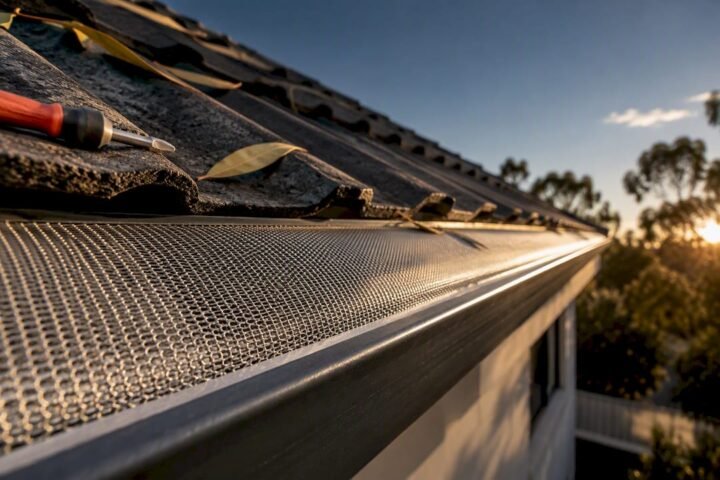
Aluminium or stainless steel mesh fitted to eave openings during construction prevents bird entry while maintaining essential roof ventilation. When installed before ceiling insulation and internal linings are completed, eave mesh can be fixed from inside the roof space — eliminating the need for external scaffolding and reducing installation costs by up to 60%.
Roof Vent Guards
Purpose-designed mesh guards for whirlybirds, ridge vents, and gable vents prevent bird access without restricting airflow. These are simple additions that cost only a few dollars per vent but prevent costly bird removal later.
Solar Panel Skirts
If solar panels are included in the build, installing bird-proof skirting around the panel edges at the time of installation is essential. Clip-on mesh systems seal the gap between panels and the roof, preventing pigeons and starlings from nesting underneath — a problem that can reduce panel efficiency by 20-30% and create fire risks from accumulated nesting material.
Cost Comparison: During vs After Construction
| Protection Area | During Build | Retrofit |
|---|---|---|
| Full eave mesh | $400-$800 | $1,200-$2,500 |
| Roof vent guards | $50-$150 | $150-$400 |
| Solar panel skirting | $300-$600 | $800-$1,500 |
| Fascia sealing | $100-$300 | $400-$800 |
Working with Your Builder
The best time to discuss bird proofing is during the design or early construction phase. Many builders are happy to coordinate with specialist bird control installers, as it adds value to the home and reduces warranty callbacks related to bird damage. Some builders include basic bird proofing as standard — ask your builder what’s included and whether upgrades are available.
If your home is already under construction, it’s not too late. Any installation before internal linings, landscaping, and scaffolding removal will be significantly cheaper than waiting until after handover.
Building a New Home in Canberra?
Don’t wait for birds to move in. Bugs Patrol installs bird proofing during construction at a fraction of retrofit costs. Contact us to coordinate with your builder.
Still have questions?
The best pest control company will solve your issue for a long time. Bugs Patrol is Canberra’s trusted choice for professional bird proofing for new builds in Canberra with lasting results.
Frequently Asked Questions
Ideally during the construction phase, particularly when roof, fascia, and eaves are being installed. Retrofitting later costs significantly more due to scaffolding and access requirements.
The most vulnerable areas are roof vents, eave gaps, fascia board openings, solar panel arrays, air conditioning units, and any recessed areas that provide shelter for nesting birds.
Bird proofing during construction typically costs $800-$2,500 depending on home size. This is 40-60% less than retrofitting after construction.