Droppings, egg casings, and cockroaches moving around in daylight are the three clearest cockroach infestation signs, especially when they show up together. A single roach spotted at night after you flip on the kitchen light means far less than finding pepper-like droppings under the sink plus a couple of oothecae behind the fridge. One sighting is a maybe. Multiple signs across multiple spots is a yes. The next sections cover exactly what to check and when to call in a licensed technician.
TL;DR:
- Multiple signs such as extensive droppings, egg casings, shed skins, and daytime activity indicate a likely active infestation rather than a transient presence.
- Cockroaches tend to hide in warm, moist, and undisturbed places like behind appliances, inside cupboards, and around drains, making these spots key inspection areas.
- Early signs can be confused with other pests, but the presence of droppings, oothecae, shed skins, and a musty odor together strongly suggest cockroach activity.
- Daytime sightings and persistent smell or droppings in multiple rooms strongly signal a growing colony requiring professional treatment.
- DIY methods help with early detection, but once signs appear across several areas, calling licensed pest control specialists provides targeted and effective eradication.
Table of Contents
- What Are the Common Signs of a Cockroach Infestation?
- Where Should You Check for Cockroach Signs?
- What Should You Do If You Suspect an Infestation?
- How Can You Reduce the Risk of Future Infestations?
- Why Professional Inspection Makes a Real Difference
- Can You Hear a Cockroach Infestation Before You See One?
- What Time of Day Are Cockroaches Most Active?
- How Do You Tell Cockroach Signs Apart From Other Pests?
- Our Take on Spotting a Cockroach Problem Early
- Sources
What Are the Common Signs of a Cockroach Infestation?
Droppings are usually the first thing people notice, and what they look like depends on the species. German cockroaches, the small tan ones that dominate Australian kitchens, leave droppings that resemble ground coffee or black pepper flecks, often smeared along cupboard edges or in drawer corners. Larger species like the American cockroach leave cylindrical pellets closer to grains of rice. Either way, the more droppings you find and the wider they’re spread across a room, the bigger the population behind the walls.
Egg casings, called oothecae, are another giveaway. Each one is a small brown or tan capsule, roughly the size of a kidney bean, and a German cockroach oothecum can hold 30 to 40 eggs. Finding one tucked behind a toaster is a warning. Finding several wedged into cracks near the stove, pantry shelves, or under the sink tells you breeding has been going on for a while, not just a stray roach that wandered in from outside.
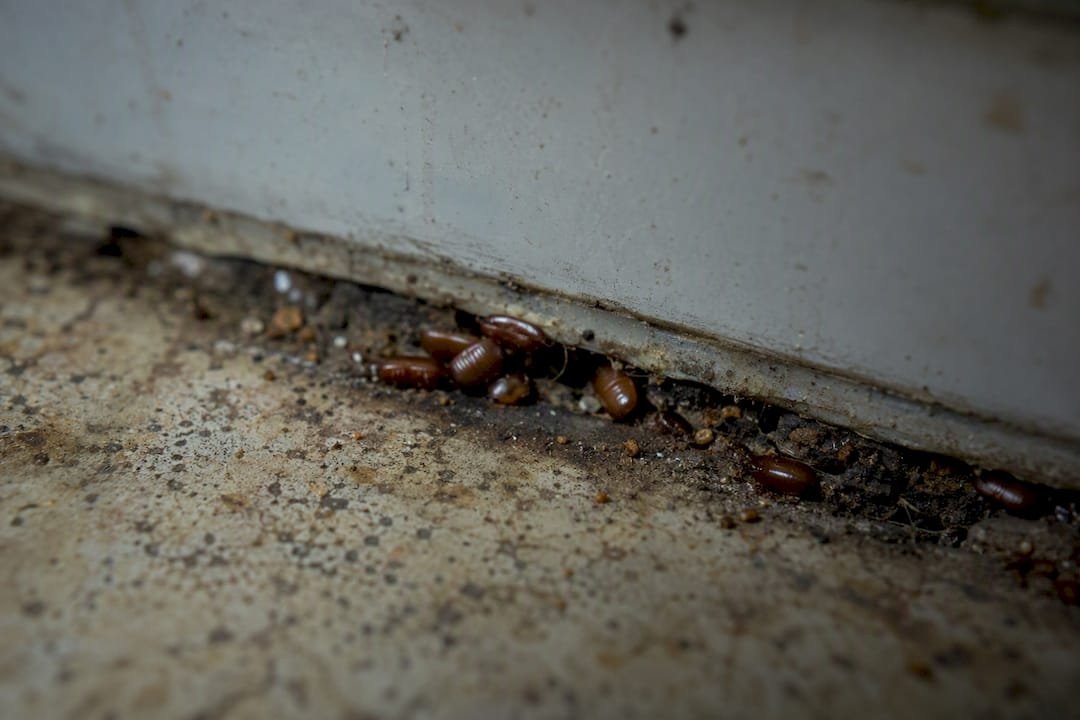
Shed skins, sometimes called exuviae, are easy to miss but worth knowing. Cockroaches molt several times as they grow, leaving behind a pale, hollow, roach-shaped husk. Finding these in cupboards or behind appliances confirms nymphs are developing on-site, not just passing through.
Daytime sightings carry more weight than most people realize. Cockroaches are nocturnal by nature and generally avoid light. When you see them scurrying across the counter at noon, it usually means the population has outgrown its hiding spots and is being forced out to forage during the day, according to guidance from the Victorian Government Health department. A single night sighting might mean nothing. Repeated daytime activity is a much stronger signal.
Then there’s the smell. A persistent musty, oily odor, sometimes described as a stale, greasy tang, comes from pheromones cockroaches release plus the buildup of droppings and body oils along their regular paths. You’ll often find matching smear marks or greasy trails on cupboard walls and skirting boards where roaches have repeatedly brushed against a surface.
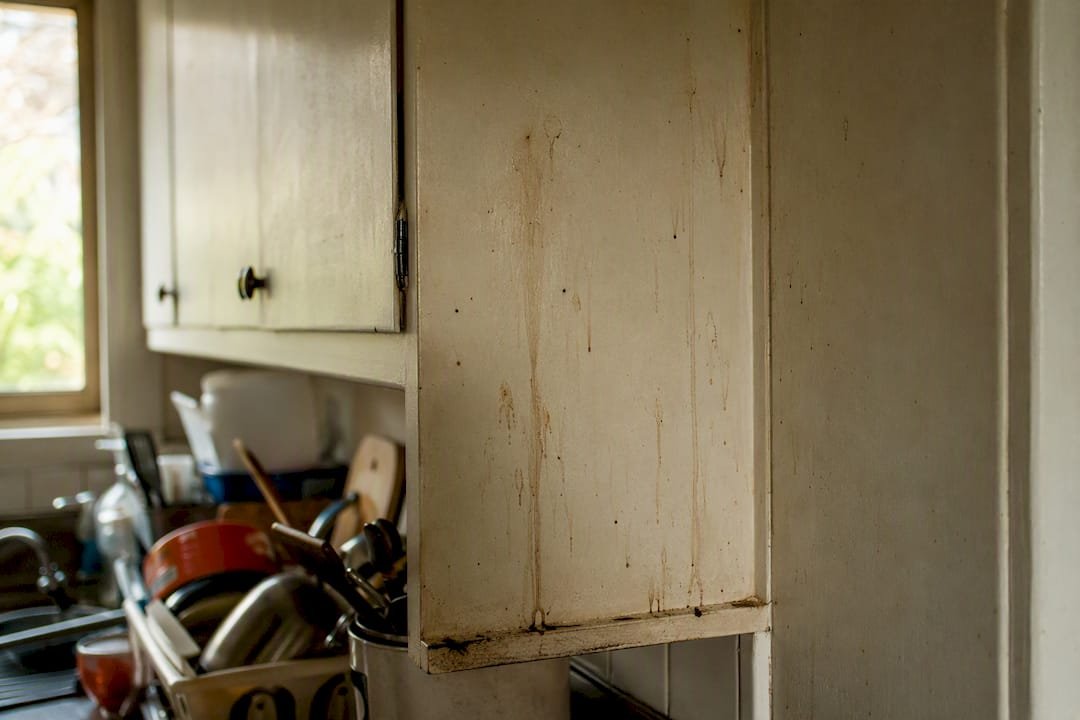
Chewed food packaging is another clue people overlook. Cockroaches will gnaw through cardboard, cereal boxes, and even soft plastic to reach food inside, leaving irregular holes and crumb debris nearby.
Key signs to watch for:
- Coffee-ground or rice-grain droppings in kitchens and bathrooms
- Bean-shaped egg casings tucked into cracks or behind appliances
- Pale, hollow shed skins near harborage points
- Cockroaches active during the day, not just at night
- A persistent musty odor paired with greasy smear marks
- Chewed holes in food packaging or pantry boxes
Beyond the mess, there’s a real health angle. Cockroaches can carry bacteria including Salmonella, Staphylococcus, and Streptococcus, contaminating food surfaces through contact with feces and vomit, and their shed skins and droppings are a known trigger for allergies and asthma in sensitive people.
Pro Tip: Take a photo of every dropping cluster, casing, or smear mark you find, with something for scale like a coin next to it. If you end up calling a licensed technician, those photos speed up the inspection and help pinpoint the species faster.
Where Should You Check for Cockroach Signs?
Cockroaches gravitate toward warmth, moisture, and tight, undisturbed gaps, which is why the same spots turn up again and again during inspections. Behind and under the fridge and stove tops the list, followed by inside cupboards, under sinks, around drains, and along bathroom vanities. Laundries, the area around hot water systems, roof cavities, subfloors, garages, and outdoor bin areas round out the usual hiding spots.
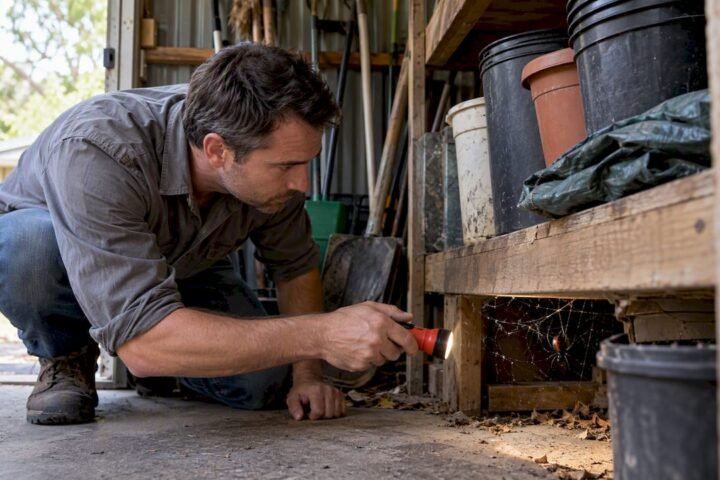
- Grab a torch and check dark, undisturbed corners first. Roaches avoid light, so shadows are where the evidence collects.
- Place sticky traps in a few hotspots overnight, a low-cost way to gauge activity that Victorian health authorities recommend for monitoring.
- Wear gloves before touching anything that looks like droppings, since direct contact isn’t worth the contamination risk.
- Photograph what you find in place before cleaning it up.
- Check the same traps and spots again after a week. If new droppings or casings keep appearing, the problem is active, not historical.
What Should You Do If You Suspect an Infestation?
Start with containment. Seal food in airtight containers, empty bins daily, wipe down any droppings or grease marks with gloves and a disposable cloth, fix dripping taps, and clear clutter that gives roaches somewhere to hide. These steps won’t eliminate an established colony, but they slow it down and make any later treatment more effective.
Sticky traps and off-the-shelf baits can help you monitor activity or knock back a very light, isolated sighting. Against a colony that’s already breeding behind your walls, they’re a stopgap at best. German cockroaches reproduce fast enough that a small problem can escalate within weeks if left alone.
Call a licensed pest control operator when:
- You’ve seen roaches during the day more than once
- You’re finding droppings, egg casings, and odor together, not just one sign
- Babies, elderly residents, or anyone with asthma live in the home
- Shed skins or oothecae keep turning up in fresh spots week after week
- Signs are showing up in more than one room
A professional inspection maps out harborage points, identifies the species involved, and applies targeted baiting and residual treatments suited to that species rather than a generic spray. That distinction matters because German, Australian, and American cockroaches don’t respond to the same bait formulations or nesting disruption tactics.
Pro Tip: Don’t clean too thoroughly right before an inspection. A little visible evidence, like a dropping trail or a smear mark, actually helps the technician confirm harborage locations faster.
How Can You Reduce the Risk of Future Infestations?
Prevention is cheaper than treatment, and most of it comes down to habits rather than products.
- Store dry goods in airtight containers and take garbage out before it piles up.
- Fix dripping taps, vent bathrooms and laundries properly, and keep drains clear. Roaches need water more than they need food.
- Seal cracks around pipes, skirting boards, and cupboard backs, and keep stored boxes off the floor.
- Declutter garages and storage areas where roaches can hide undisturbed for months.
- Set a habit of checking the usual hotspots every few months, and consider a periodic prevention plan if your home has a history of activity.
None of this guarantees you’ll never see another roach. It does make your home a lot less hospitable to the ones that wander in.
Why Professional Inspection Makes a Real Difference
Bugspatrol Pest Management brings over a decade of pest control experience across Canberra, and the pattern is consistent: the signs above are reliable, but knowing exactly where the colony is hiding takes trained eyes and the right tools. Licensed technicians document harborage points, confirm species, and apply treatments calibrated for effectiveness without putting families, kids, or pets at unnecessary risk. Effective control, per Victorian health guidance, combines inspection, hygiene changes, and registered treatment, not one or the other alone.
Can You Hear a Cockroach Infestation Before You See One?
Most people never hear cockroaches until the population is large enough to notice. Individually, a cockroach is close to silent. In numbers, though, residents sometimes report a faint scratching or rustling sound coming from behind walls, inside ceiling cavities, or from within cardboard boxes at night, roaches moving across paper or through wall voids.
It’s a subtler sign than droppings or an odor, and it’s easy to write off as the house settling or a possum in the roof. If you hear a light scuttling sound that stops the moment you turn on a light or knock on the wall, that’s worth investigating with a torch rather than ignoring. Roaches freeze or scatter the instant they sense movement or light, which is part of why they’re so rarely seen even in a home with an active problem.
Sound alone isn’t enough to confirm an infestation, and you shouldn’t treat it as conclusive on its own. Pair it with a hotspot check using a torch and a few sticky traps. If the scratching keeps recurring in the same area over several nights, that consistency tells you more than the noise itself does. It means something is living and moving in that wall or ceiling void, not just passing through once.
What Time of Day Are Cockroaches Most Active?
Cockroaches are overwhelmingly nocturnal, and their activity peaks in the hours after dark once the house has gone quiet. That’s when you’re most likely to catch one crossing the kitchen floor if you get up for a glass of water or flip on a light unexpectedly. During daylight hours, a healthy colony stays tucked into cracks, wall voids, and the gaps behind appliances, avoiding both light and the vibration of foot traffic.
That nocturnal pattern is exactly why timing your inspection matters. Checking cupboards at 2 p.m. will usually turn up droppings and casings, evidence of past activity, but rarely a live sighting. Checking the same spots with a torch late at night, after the kitchen has been still for an hour or two, gives you a much better chance of seeing roaches actually moving.
This is also why daytime sightings carry so much weight as a severity signal. A cockroach breaking its nocturnal habit and foraging in broad daylight usually means the hiding spots back home are overcrowded and food is running short there. It’s less a scheduling quirk and more a population problem forcing individuals into the open. If you’re doing your own inspection, a late-night check with the lights off, then suddenly on, will tell you far more than a daytime walk-through ever will.
How Do You Tell Cockroach Signs Apart From Other Pests?
Misidentifying pest signs is common, and it sends a lot of people down the wrong treatment path. Cockroach droppings are often confused with mouse droppings, but mouse droppings tend to be slightly larger, more tapered at the ends, and scattered rather than clustered in smear-marked trails. Cockroach droppings, by contrast, cluster near harborage points and often come with that oily residue on nearby surfaces, something rodent droppings don’t produce.
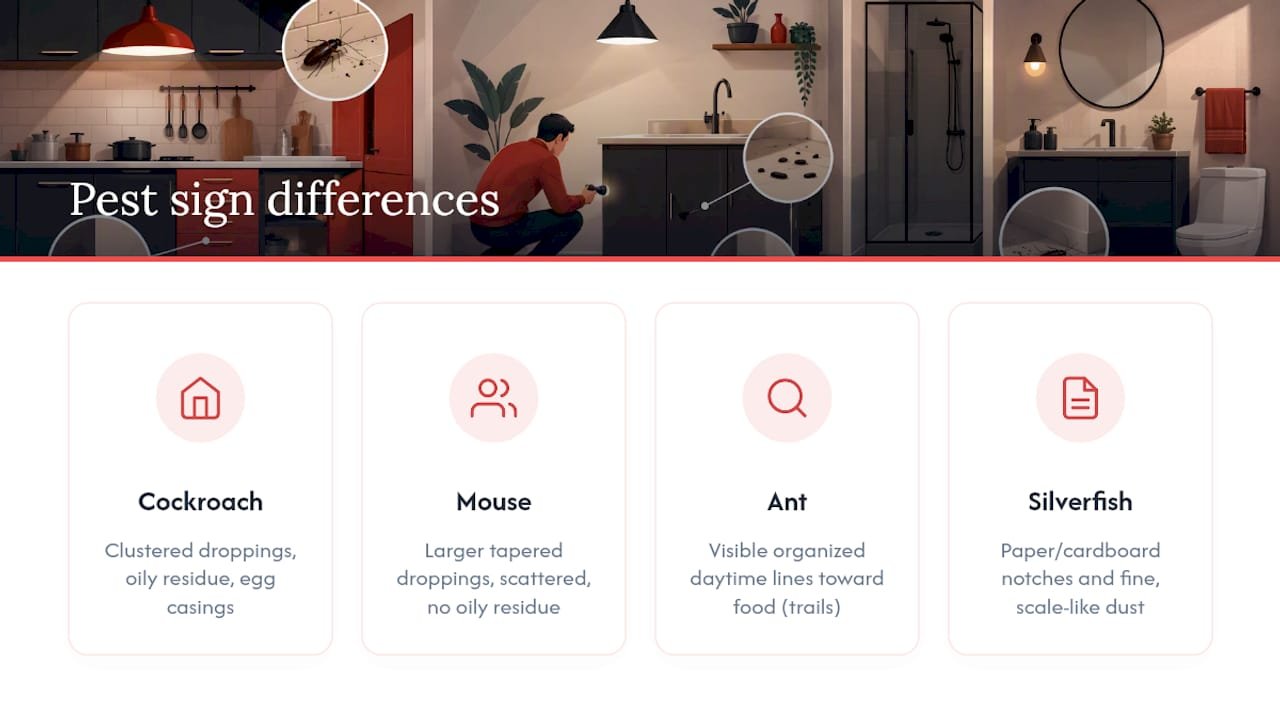
Ant trails can also get mixed up with roach activity, especially when people spot small dark specks near food. Ants move in visible, organized lines toward a food source during the day, while roach evidence shows up as scattered debris, casings, and odor rather than a marching column you can trace back to an entry point.
Silverfish, another common household pest, chew paper and cardboard the way roaches do, but they leave behind small, irregular notches and a fine, scale-like dust rather than pepper-flake droppings or bean-shaped oothecae. If you’re finding damaged packaging without any of the other classic signs, silverfish or pantry moths are worth ruling out before assuming roaches.
The reliable tell for roaches specifically is the combination: droppings, egg casings, shed skins, and that musty odor tend to show up together in the same infested area. Other pests rarely produce all four at once.
Our Take on Spotting a Cockroach Problem Early
The advice that circulates most often, “just keep the kitchen clean,” undersells how fast a small cockroach population can outrun tidy habits. Cleanliness slows an infestation. It doesn’t reverse one once oothecae are already tucked into wall cracks and behind appliances. That’s the gap most homeowner guidance glosses over.
What actually matters is pattern recognition, not perfection. One roach at midnight is background noise in most homes. Droppings plus an odor plus a daytime sighting is a pattern, and patterns are what should drive the decision to call a professional rather than reach for another can of spray.
Our honest read: DIY monitoring earns its place for early detection, but it has a ceiling. Once evidence stacks up across more than one room, a licensed inspection isn’t an overreaction. It’s the only step that maps the colony instead of guessing at it. If you’re weighing whether to book one, that’s the real signal to trust.
— navin
If you’ve spotted more than one of these signs around your home, Bugspatrol Pest Management can send a licensed technician to inspect harborage points, confirm the species, and apply a treatment plan built for your specific situation. Our licensed technicians know which hiding spots to check first and how to treat them safely around kids and pets.
Sources
Recommended
- Bugs Patrol Canberra – Professional Pest Control Services
- Bugs Patrol Canberra – Professional Pest Control Services
- Bugs Patrol Canberra – Professional Pest Control Services
- Bugs Patrol Canberra – Professional Pest Control Services