Bird mites in the house get eliminated by finding and removing the nest they came from, then treating the surrounding cavity, wall void, or roof space with a registered surface spray or dust. A licensed pest controller should handle any nest tucked into a roof cavity, chimney, or solar panel array. The mites themselves cannot live on you, so treating your skin or bedding with insecticide does no good. Bites and itching typically fade within days once the source is gone and the area is treated.
TL;DR:
- Treat bird mite infestations by locating and removing the nest, then applying registered surface sprays or dusts around the cavity or roof space.
- Inspect typical nest sites like eaves, gutters, chimneys, and solar panels during daylight, and verify mite presence with tape or photographs.
- Most infestations stem from Ornithonyssus bursa mites associated with starling, pigeon, and sparrow nests, which die after approximately three weeks without a bird host.
- Sealing entry points such as gaps in eaves, broken tiles, and gutter openings prevents re-infestation, especially during peak nesting seasons in spring and early summer.
- Hire a licensed pest controller if the nest is inaccessible, bites persist, or household members are vulnerable, ensuring targeted removal and follow-up inspections.
Table of Contents
- How to Identify Bird Mites in Your House
- Where to Look for Bites and Signs in the Home
- Where Bird Mites Come From and Why Infestations Spike
- Step-by-Step Removal and Safe Treatment
- Preventing Future Infestations: A Bird-Proofing Checklist
- When to Hire a Licensed Pest Controller
- Our Take on Bird Mite Jobs
- Get Rid of Bird Mites for Good With Bugspatrol Pest Management
- Sources
How to Identify Bird Mites in Your House
Bird mites are tiny, typically about a half to one millimeter long, which puts them somewhere between a grain of pepper and a period on this page. You will usually spot them as fast-moving specks crossing a windowsill or wall, sometimes with a reddish tint after they have fed. That speed is a giveaway. Bed bugs are visibly bigger and slower; scabies mites live under human skin and are invisible to the naked eye.
Location tells you almost as much as appearance. Bird mites cluster near an active or recently abandoned nest, whereas bed bugs concentrate around beds and furniture seams regardless of what is happening on your roof. Infestations often spike in a burst right after chicks fledge, which is a pattern scabies and bed bugs never follow.
If you want to confirm what you are dealing with:
- Press a strip of clear tape onto a surface where you have seen mites and lift it to trap a specimen.
- Photograph the sample under strong light or a magnifying glass.
- Send it to an entomologist or diagnostic lab if the bites persist and you are still unsure. Species-level identification, distinguishing Ornithonyssus bursa from other mite species, actually changes which treatment a pest controller will recommend.
Where to Look for Bites and Signs in the Home
Bites show up as small, intensely itchy red bumps, often in clusters on arms, neck, or torso. Scratching can turn them into slow-healing sores. Many people also describe a crawling sensation on their skin even when nothing is there, a phenomenon called formication, which is common with bird mite exposure and different from the localized itch of a mosquito bite.
Four detection steps narrow down the source fast:
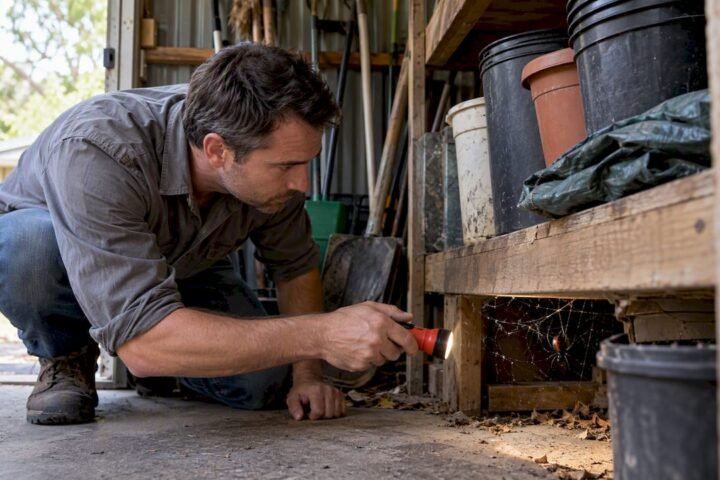
- Inspect eaves, roof voids, gutters, chimneys, and the underside of solar panels during daylight, since these are the classic nest sites.
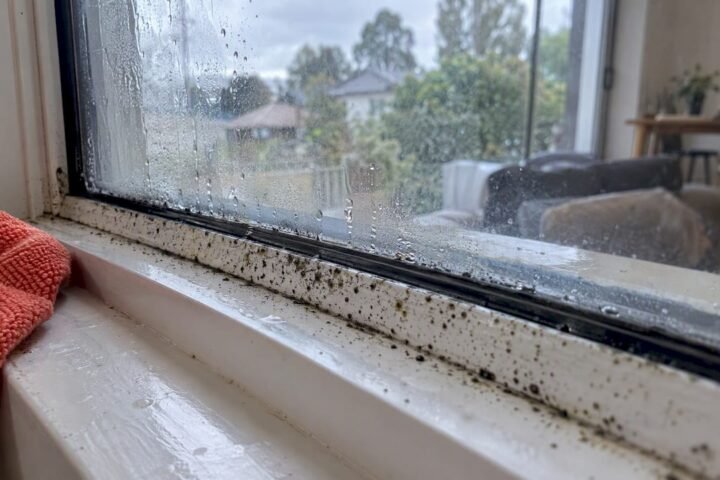
- Check window ledges and the walls directly below or beside a nest, where mites migrate looking for a new host.
- Wipe a damp white cloth along suspected surfaces. Reddish or dark smears usually mean mites.
- Run a vacuum along skirting boards and window frames, then check the canister contents for moving specks.
Where Bird Mites Come From and Why Infestations Spike
Most Australian infestations trace back to Ornithonyssus bursa, a species tied closely to starlings, sparrows, and pigeons nesting in or near roof structures. Their life cycle runs approximately a week, fast enough for a small colony to expand rapidly within a few weeks.
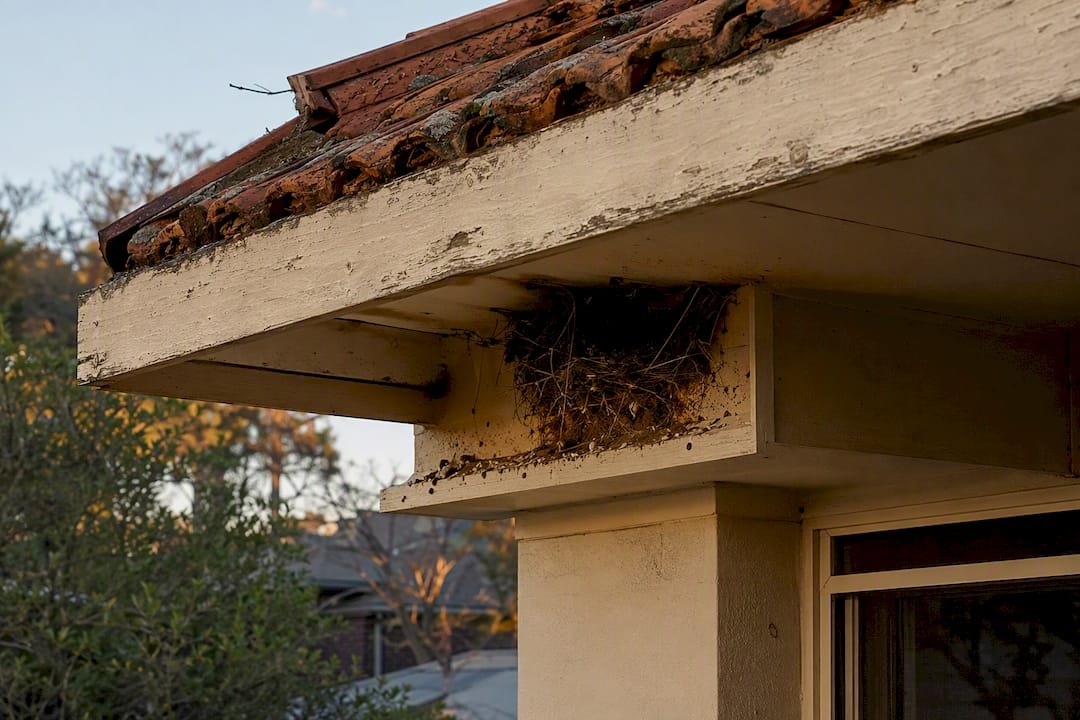
The real trouble starts once chicks fledge or a nest gets abandoned. With their food source gone, mites scatter in every direction looking for a new host, and that scattering is exactly when homeowners start noticing bites indoors.
A few things worth knowing about timing:
- Most bird mites die within about three weeks without access to a bird host, so an infestation that seems to vanish on its own after a few weeks is not unusual.
- Spring and early summer bring the highest risk, matching peak nesting and fledging season.
- A dormant nest from last season can reactivate the moment birds return to raise another brood.
Step-by-Step Removal and Safe Treatment
Start with containment. Close off the affected room if you can, then vacuum every surface thoroughly, including carpets, skirting boards, and curtains, and dispose of the vacuum bag or canister contents outside immediately. Wash bedding, cushion covers, and any soft furnishings on the hottest setting the fabric can tolerate. Wipe hard surfaces with a damp cloth to physically remove mites rather than just displacing them.
- Put on gloves and a mask before touching any nest material, since dried droppings and debris can trigger respiratory irritation.
- If the nest sits somewhere accessible, like a windowsill ledge, bag and remove it, then scrub the area.
- Leave roof cavities, chimneys, and anything under solar panels to a licensed pest controller, since these spaces are where DIY removal usually falls short or gets dangerous.
- Have the technician apply registered surface sprays or insecticide dust to the void, skirtings, and crevices around the former nest site. Fumigants are not the right tool here and are not registered for this use.
- Skip treating your own skin or bedding with insecticide sprays. Bird mites cannot reproduce on human blood, so repeatedly dousing yourself or your sheets accomplishes nothing except unnecessary chemical exposure. A cold compress, over-the-counter anti-itch cream, or a topical repellent containing DEET will ease symptoms while the real treatment takes effect.
- Schedule a follow-up inspection roughly ten to fourteen days later, timed to catch any mites that survived the first pass before they rebuild their numbers.
Pro Tip: Don’t just kill what you can see. If bites keep appearing after a week of cleaning, the nest is probably still active somewhere you haven’t checked, most often a roof void or the space behind a solar panel mount.
Preventing Future Infestations: A Bird-Proofing Checklist
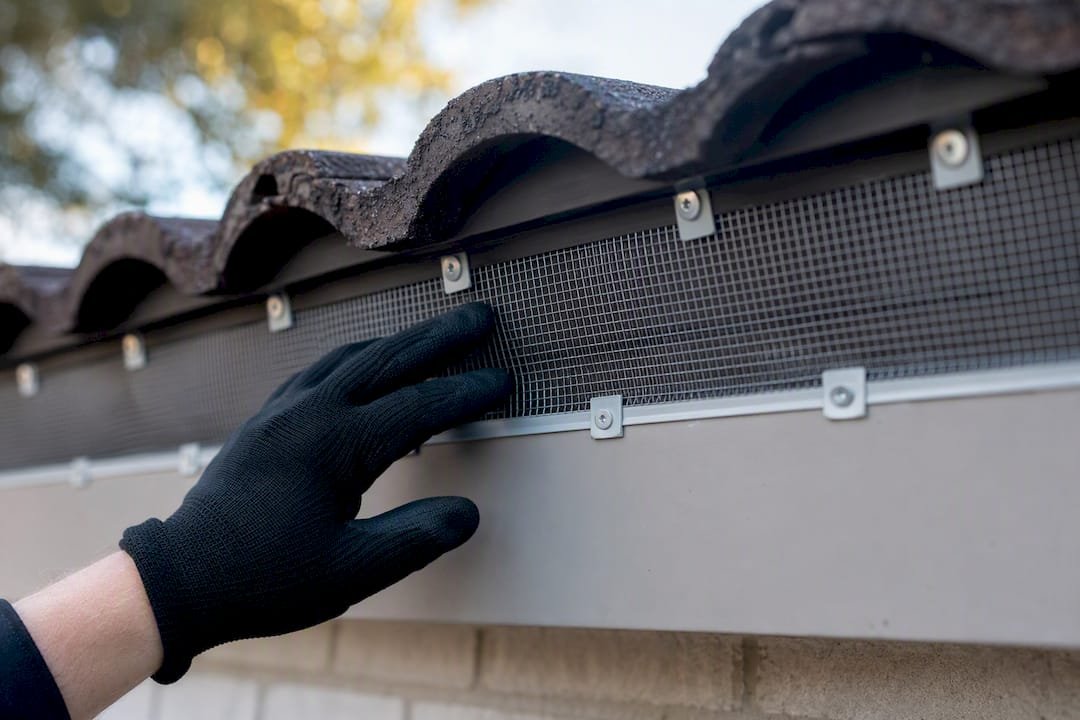
Removing one nest fixes one problem. Sealing the property stops the next five. Walk the roofline and look for broken tiles, gaps around eaves, and any hole in the fascia board large enough for a sparrow to squeeze through, since these are the entry points birds use season after season.
- Fit gutter guards to block nesting material from collecting and to stop birds from using the gutter line as a launch point.
- Have solar panels professionally bird-proofed, since the gap underneath a panel array is one of the most common nest sites on modern homes.
- Trim tree branches that overhang the roofline, and remove ledges or perches where birds regularly land.
- Walk the roof each spring, before nesting season ramps up, checking for the small gaps birds slip through.
- Book a preventative visit with a licensed pest controller if you have had repeat infestations, since they can spot access points a homeowner on a ladder will miss.
When to Hire a Licensed Pest Controller
DIY cleaning solves plenty of mild cases, but a few situations call for a professional without delay. If bites keep happening after a full clean and wash cycle, or the nest sits somewhere you cannot safely reach, that is your signal.
- The nest is in a roof void, chimney, wall cavity, or under a solar panel where access requires proper equipment.
- Someone in the household is elderly, very young, or immunocompromised and reacting badly to bites.
- You are not sure whether you are dealing with bird mites, bed bugs, or something else entirely.
- A previous DIY treatment did not stop the bites within one to two weeks.
A good technician inspects both the interior hotspot and the external nest, confirms the species involved since that changes the pesticide strategy, then applies targeted surface treatments and seals access points. Before booking, ask whether they are licensed, which registered products they use, and whether they provide a written treatment plan with a follow-up guarantee.
Our Take on Bird Mite Jobs
Most bird mite calls we get start the same way: someone has already sprayed themselves, washed everything they own, and is still getting bitten. That is not a failure on their part. It is what happens when the nest, not the bedroom, is the actual problem. The fix that works is boring and unglamorous: find the nest, remove or treat it, seal the gap it came through.
What we do differently is treat the roof void and the room as one job, not two. Our technicians, backed by 10-plus years servicing Canberra homes, check gutters, eaves, and solar panel undersides before touching a can of spray, because guessing at the source wastes a treatment cycle every time.
— navin
Get Rid of Bird Mites for Good With Bugspatrol Pest Management
Cleaning and washing everything in the house buys you a few quiet days at best if the nest is still sitting in your roof void. Bugspatrol Pest Management is the alternative to another round of DIY guesswork: our licensed technicians locate the actual nest, whether it is in a roof cavity, chimney, or tucked under a solar panel, and apply the registered surface sprays and dusts that solve the problem at the source instead of just knocking down what you can see indoors.

We use family and pet-safe treatment methods across Canberra, and we back every job with a written plan so you know exactly what was treated and when to expect a follow-up check. If bites keep coming back after your own cleanup, book a professional pest control inspection and get the nest handled properly the first time.
Sources
- Bird mites – prevention and treatment | SA Health
- Bird mites fact sheet — Exopest (PDF)
- Letter to the Editor: Human infestation with bird mites in Wollongong