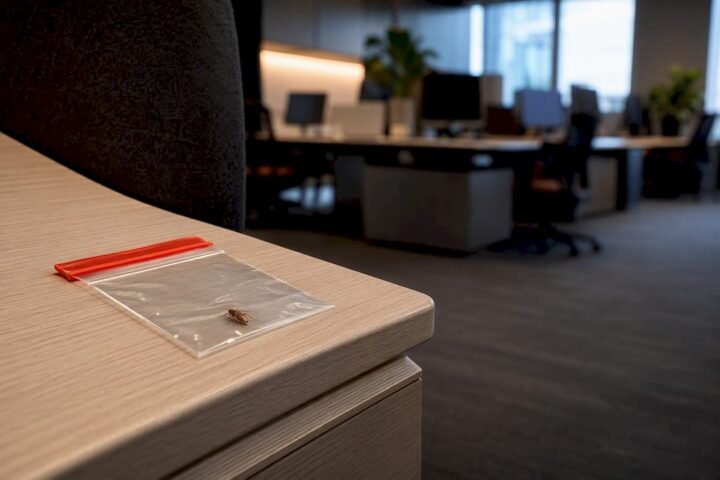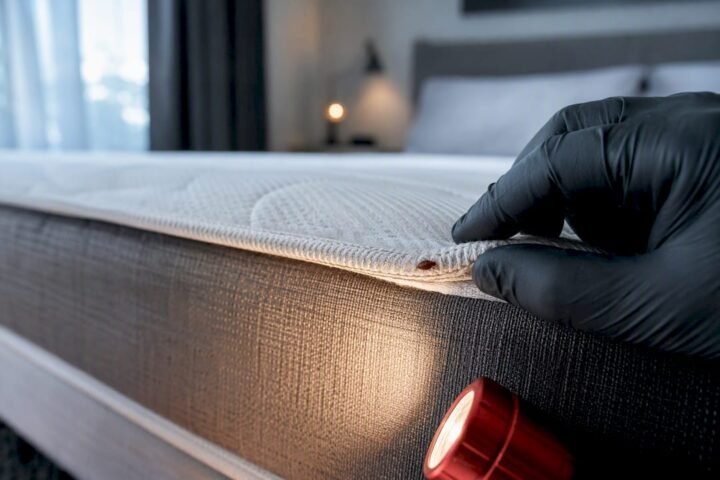
You set a trap. A week passes. Nothing. You buy a different trap. Still nothing. Meanwhile, something keeps raiding your pantry, scratching inside your walls, and leaving droppings along the skirting boards. Sound familiar?
Here is the thing most people do not realise when they start tackling household pest control on their own: rats and mice are not the same problem, and they do not respond to the same solutions. Treating for the wrong rodent is one of the most common reasons DIY efforts fail, sometimes for months, while the actual infestation quietly grows.
In this post, we are going to walk you through exactly how to tell the difference between rats and mice, why that difference matters more than you might expect, and how the wrong identification leads to the wrong treatment. We will also look at why Canberra homes face a particular risk, and what a smarter approach to rodent control actually looks like. If you have ever grabbed a trap off the shelf and hoped for the best, this one is worth reading before you do it again.
Why the Species You Have Changes Everything About the Fix
Pick up a generic snap trap at Bunnings, set it near the skirting board, and wait. Sound familiar? For many Canberra homeowners, that’s where rodent control starts, and for months, it’s also where it stalls.
The core problem is species mismatch. Rats and mice are not interchangeable pests. They differ in feeding habits, nesting behaviour, movement routes, and the size of gaps they squeeze through. A treatment plan built for one will largely ignore the other.
Those differences run deeper than most people expect:
- Trap sizing and sensitivity vary between species, what catches a mouse won’t reliably catch a rat, and vice versa
- Bait placement depth and location must align with how each species forages and where it feels safe
- Entry-point sizes differ dramatically; mice can pass through a gap as small as 6mm, roughly the width of a pencil, while rats need larger openings
Retail pest control products complicate things further. Many are formulated for one species but labelled and marketed broadly, so a homeowner treating a rat problem with a mouse-targeted product isn’t making an obvious mistake, they’re just making an expensive one.
The cost of getting it wrong accumulates fast. Chewed wiring, damaged insulation, and contaminated food preparation surfaces don’t pause while the wrong trap sits untouched. The longer the real pest goes unaddressed, the more entrenched and costly the problem becomes.
How to Tell Whether You Have Rats or Mice
So how do you actually know which one you’re dealing with? A few physical clues do most of the work.
Size is the most immediate tell. Adult rats are substantial animals with thick, heavy bodies, a Norway rat can weigh up to 500 grams. Mice are slight enough to sit in the palm of your hand. If you’ve spotted the animal itself, the size difference alone is hard to miss.
Tail length is reliable even from a quick glance. A mouse’s tail is roughly equal to its body length, giving it a long, whippy appearance. A rat’s tail is noticeably shorter than its body, and thicker at the base.
Ears offer another clue. Mice have large, prominent ears relative to their small heads. Rats have smaller, close-set ears that look proportionally compact against their larger skulls.
Droppings are often the first sign people find. Rat droppings are banana or sausage-shaped. Mouse droppings are much smaller than rat droppings, with a narrower, elongated shape. Check along skirting boards, inside cupboards, and behind appliances.
Runways and grease smears along walls indicate rat activity more than mice. Rats follow fixed routes and leave oily smear marks from repeated contact. Mice explore more freely, so their movement patterns are less defined.
Nesting signs differ too. Mice tuck shredded soft material into concealed cavities inside the home. Rats typically excavate burrows in garden beds, under timber structures, or along fence lines.
Rats vs. Mice at a Glance: A Side-by-Side Comparison
If the previous section gave you the clues to look for, this table gives you a place to land once you’ve spotted them.
| Feature | Mouse | Rat |
|---|---|---|
| Body size | Noticeably smaller than rats | 20–27 cm |
| Tail vs. body | Roughly equal to body length | Noticeably shorter than body |
| Ears | Large relative to head | Small, close-set |
| Droppings | Small, narrow, elongated | Banana or sausage-shaped |
| Nesting | Shredded material in concealed cavities | Burrows in soil, under structures |
| Typical entry-point | 6 mm | Larger than mice; target structural gaps, drain points, and sub-floor access |
That entry-point row deserves a second look. Six millimetres is smaller than a standard pencil eraser. Mice can squeeze through any gap that size, which means the gap around a pipe or cable penetration that barely catches your eye is enough. Rats need a larger opening, but once they find one, they’re in.
The reproduction column isn’t in the table, but it belongs in this conversation. Both species breed fast. A rat can produce up to 10 pups per litter across five or more litters a year; a single mouse pair can establish a colony within weeks. Every day spent treating the wrong pest is a day the right one is breeding undisturbed.
How the Treatment Strategy Changes Depending on Which Rodent You Have
Knowing which rodent you have is only useful if you change what you do about it. The two species need genuinely different approaches, and using the wrong one wastes time while the infestation grows.
Traps
Rat snap traps are built with heavier springs and wider trigger plates. A mouse rarely applies enough weight to fire one. Mouse traps, conversely, offer no physical resistance to a rat. Buying the wrong size at the hardware store is one of the most common reasons nothing gets caught.
Bait placement
Rats have a well-documented wariness of new objects in their environment. A trap placed directly in a rat runway will often sit untouched for several days while the rat habituates to it. Patience and positioning both matter. For burrow treatment, bait needs to be placed at depth and in locations the rat associates with safety, not just near the entrance hole.
Mice, by contrast, have a short foraging range and move close to walls. Traps and bait stations should be placed at close, regular intervals along skirting boards and in tight corners where mice naturally travel.
Exclusion
Sealing mice out means addressing gaps as small as 6 mm around pipe penetrations, cables, and weatherboards. Rat exclusion targets larger structural gaps, drain entry points, and sub-floor access, so the two jobs look quite different on the ground.
Getting it wrong makes the next attempt harder
Using the wrong rodenticide formulation or bait delivery method for the species present makes any subsequent effort, including professional treatment, more difficult. This is the same compounding problem that makes misidentified pest issues so costly, whether you are dealing with rodents or working through termite treatment options for your Canberra home.
Why Canberra Homes Are Particularly Vulnerable to Rodent Incursions
All of that treatment complexity has a local context worth understanding, because Canberra’s environment loads the odds in the rodents’ favour from the start.
Canberra winters drive rodents indoors
Canberra winters are among the coldest of any Australian capital, and rodents respond by moving toward heat sources indoors. Late autumn and winter are the peak season for new infestations in cold-climate regions. A problem appearing in May or June is almost certainly temperature-driven and will worsen as the cold deepens if left unaddressed.
Physical layout increases risk
Established suburbs combine mature garden beds, older housing stock with unsealed sub-floors, and proximity to bushland corridors. That combination gives rats and mice everything they need: shelter, cover, and easy routes to your walls and foundations. The structural features of older ACT properties make them particularly easy to penetrate.
Development displaces existing populations
Urban expansion on Canberra’s fringes disturbs established ground-level rodent populations, which can displace toward the nearest occupied housing.
Backyard habits provide food and harbourage
Outdoor composting and vegetable gardening provide reliable food and harbourage at the perimeter, and properties with both are at elevated risk year-round.
These factors stack. Understanding them helps explain why a professional pest inspection in Canberra is worth arranging before winter sets in, rather than after the infestation is already established.
What Happens When You Treat for the Wrong Rodent
Misidentifying the species is the starting point for months of wasted effort. The wrong trap format goes down in the wrong spot, and when activity quietens briefly, it feels like progress. It isn’t. The population is simply regrouping.
The breeding math makes this costly quickly. A mouse pair can establish a sizable colony within weeks, given the species’ rapid breeding cycle. Time is the variable that hurts most.
While that delay plays out, damage accumulates silently. Gnawed wiring, chewed insulation, and damaged structural timbers are well-documented consequences of established rodent infestations, and repair costs can far exceed what professional pest control would have cost at the outset. The same principle applies when homeowners misread the signs of what termites are doing inside a structure.
Health risks compound the longer an infestation runs. Droppings, urine, and shed fur in food preparation areas can trigger respiratory issues, particularly for young children or anyone with allergies.
Finally, established rodents develop fixed movement routes and nesting sites. The more entrenched those become, the more intensive and expensive professional treatment needs to be compared to early intervention.
Why Professional Identification Is the Logical Place to Start
So what does the smarter path actually look like?
A licensed and certified pest technician identifies the species present, assesses how far the infestation has spread, and maps every entry point before a single trap is placed. That sequence matters. Without it, you’re guessing, and as the previous section shows, guessing is expensive.
Professional-grade rodenticides and trap configurations are not available at retail. The specialist formulations reserved for licensed technicians exist precisely because correct application depends on the species, the scale of the infestation, and the specific layout of your property. A hardware store product cannot account for any of those variables.
Local knowledge also makes a practical difference. A “pest services near me” search often returns large, generic operators. A Canberra-based technician understands which species are most active in specific suburbs, how ACT housing stock tends to fail at sub-floor penetrations, and when seasonal pressure is building.
The vulnerabilities detailed earlier, gap sizes, sub-floor access, harbourage at the perimeter, are exactly what a professional assessment documents.
Finally, professional treatment comes with a defined endpoint. Either the infestation is resolved, or treatment continues until it is. DIY offers no such guarantee.
Rodent Control in Canberra from BugsPatrol
That local expertise is exactly what BugsPatrol delivers. Based in Throsby, ACT, BugsPatrol is a locally owned and operated pest management company servicing residential and commercial properties across Canberra and the surrounding NSW regions.
Year-round protection plans come with 12-month warranties, easy monthly payments, and no upfront fees, so cost isn’t the reason you’re still buying snap traps that aren’t working.
A one-off treatment can resolve an immediate infestation but leave a property exposed when rodent pressure rises again heading into winter. BugsPatrol’s rolling cover keeps protection in place across Canberra’s seasonal peaks, reducing the risk of re-entry rather than just responding to it after the fact.
If you’ve found droppings, heard movement in your walls, or noticed gnaw damage, contact BugsPatrol directly to book an inspection and get a fast, reliable assessment of what you’re actually dealing with.
The Bottom Line: Identify First, Then Act
Everything covered above comes down to one rule: identify the species before you buy anything.
When the treatment does not match the pest, the infestation continues and the damage quietly adds up. A professional assessment before winter sets in is worth considerably more than a reactive hardware store run after a colony has had weeks to establish. Knowing when to hire a licensed pest controller rather than attempting another DIY round is often the decision that stops the damage cycle.
If you have found droppings, heard movement in walls or ceilings, or noticed gnaw marks, the next step is professional identification, not a guess at the hardware store.
Conclusion
Rodent control in Canberra comes down to four things: correct identification, species-matched treatment, targeted exclusion, and timing. Guessing the wrong species wastes money and allows the infestation to grow unchecked behind walls and under floors. Mice and rats are genuinely different problems requiring different solutions, and Canberra’s climate makes early autumn the critical window for action.
The good news is that none of this needs to be complicated. A professional inspection removes the guesswork entirely, points you toward the right strategy from day one, and costs far less than repairing the damage a misidentified infestation leaves behind.
If signs of rodent activity are already present in your home, do not reach for a generic trap. Reach for the phone instead. Accurate identification is the first step, and it is the one that makes every step after it actually work.