If you’ve found baby cockroaches, it usually means cockroaches are breeding nearby. Nymphs rarely show up unless a colony is already established. Secure pet and human food first, keep children and pets away from any area you plan to treat, then inspect the likely hiding spots or call a licensed pest manager before the population grows.
TL;DR:
- Photograph nymphs beside a ruler and note their hiding place; mixed sizes, egg cases, droppings, or daytime activity suggest a larger hidden population.
- Seal dry goods, remove pet food overnight, clean grease and crumbs, empty covered bins daily, and fix leaks to reduce accessible food and moisture.
- Use gel bait spots of about 0.1 g, roughly 5 mm wide, in inaccessible cracks, and reinspect after a month, reapplying where bait is gone.
- Skip broad aerosol sprays, which can scatter cockroaches; target baits near hiding places instead of treating open floors.
- Call a licensed pest manager if nymphs persist after cleaning and baiting, appear by day, or recur in rentals or multiunit buildings.
Table of Contents
- How do you identify baby cockroaches?
- Which species are those baby roaches?
- How do egg cases and life cycles drive an infestation?
- Does seeing baby roaches mean a serious infestation?
- Where do baby roaches and their egg cases hide?
- What should you do right now to slow the infestation?
- Which DIY treatments actually work?
- When should you call a licensed pest manager?
- How do you stop cockroaches coming back?
- Why we recommend inspection before anything else
- Get cockroaches handled without the guesswork
- FAQ
- Sources
How do you identify baby cockroaches?
Baby cockroaches, called nymphs, look like small, wingless versions of the adults. Most are flat and oval, with long antennae and six spiny legs. Many start pale or dark brown and change color after each molt, so a white or light-colored one is usually freshly shed, not a different insect. Wing buds appear only in later stages, which is why a small roach with stubby wing pads is an older nymph, not a new species.
Size is your best clue to age. Hold a ruler or a coin beside the insect if you can do it safely. Newly hatched nymphs are often only a few millimeters long, about the size of a sesame seed or a grain of rice, while older nymphs approach the size of the adult. A cluster of different sizes in one spot points to a breeding population, not a single stray.
Before you spray or sweep anything away, take photos. They help you and any technician decide how serious the problem is. Aim for these five shots:
- A top-down view of the insect with a ruler or coin for scale
- A side view showing body shape and leg position
- A close-up of the antennae and head
- The surrounding hiding spot, such as the gap behind an appliance
- Any egg cases you can see nearby
Good photos also help with the next step: working out which species you’re dealing with.
Which species are those baby roaches?
Species matters because it changes how fast the problem grows and where the insects hide. Local government guidance lists German, brown-banded, Oriental and American cockroaches as the ones most commonly encountered in homes. Here’s how nymphs of the main house-invading species tend to differ:
- German cockroach: Small and dark, often with two dark stripes behind the head. Kitchens and bathrooms are favorite spots, and populations build quickly.
- American cockroach: Larger overall, with a reddish-brown tone. Nymphs are often found in drains, subfloors and damp, warm areas.
- Oriental cockroach: Dark brown to black and glossy. Cool, damp places such as under sinks and around drains suit them.
- Brown-banded cockroach: Nymphs show pale bands across the body. Unlike the others, they often hide high up, in cupboards, furniture and behind picture frames.
- Australian cockroach: Reddish-brown with a yellow border on the shield behind the head. Museums Victoria notes that adults can reach about 4 cm and that nymphs may take 6 to 12 months to mature, depending on conditions.
A single photo isn’t always enough to name a species with confidence, especially for very young nymphs. A technician can confirm the species during an inspection, and it’s worth doing, because egg counts, generation speed and hiding preferences all shape the treatment plan.
Where nymphs fit in: An egg case can hold up to 20 to 40 viable eggs, which is why one hidden case can turn into dozens of nymphs.
How do egg cases and life cycles drive an infestation?
A cockroach egg case is called an ootheca. It’s a hard, capsule-shaped casing that protects the eggs until they hatch. Depending on the species, a female may carry it for a while or glue it to a hidden surface. The same local government guidance says several generations can occur in a year, so numbers climb fast when nothing interrupts the cycle.
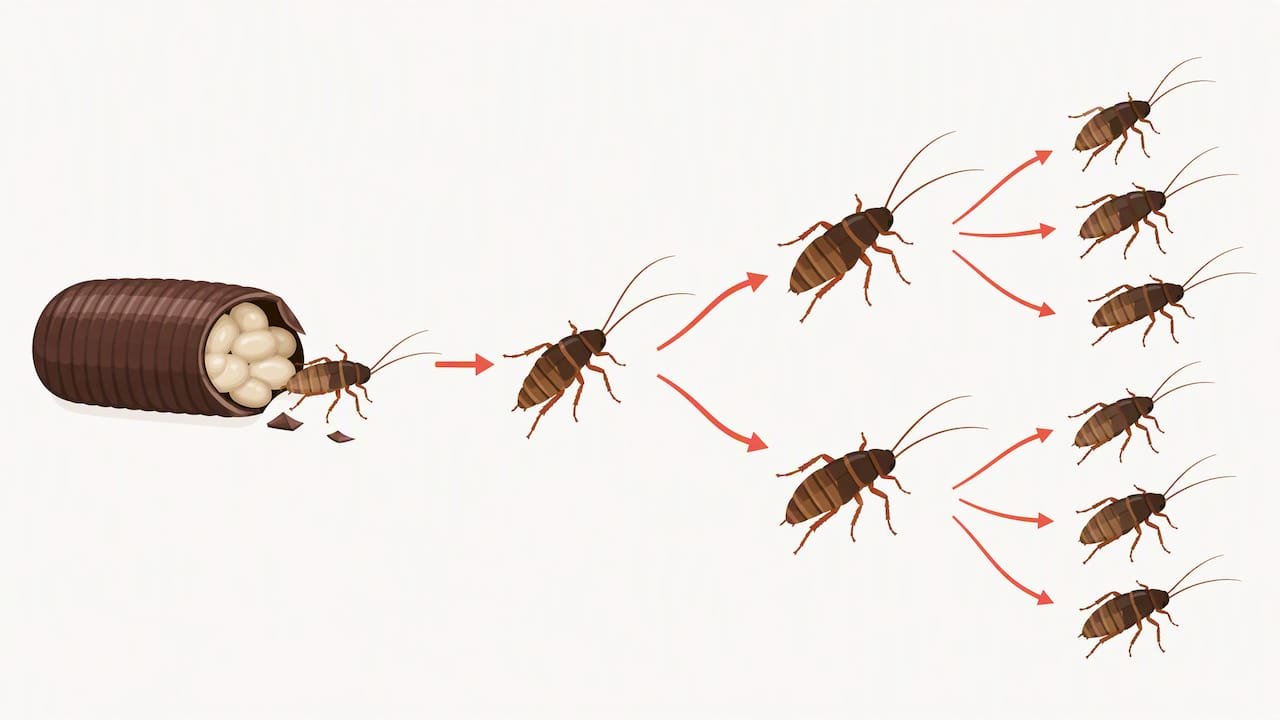
Timing varies by species and conditions. A public information sheet explains that eggs hatch after roughly a month in the capsule and that nymphs reach adult size in about two months, though some species take much longer. Warmth speeds everything up, which is why heated kitchens stay busy even in cold months.
What to check for and how to remove cases:
- Look in corrugated cardboard. Egg cases are often deposited inside the ridges, so a stack of old boxes can be a nursery.
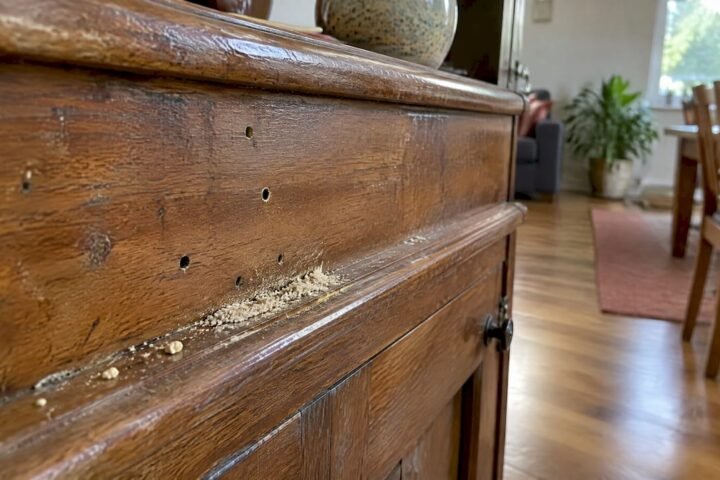
- Check dark cupboard interiors. Corners, hinges and the undersides of shelves are common spots.
- Wear gloves. Pick up any case you find and seal it in a bag before putting it in an outside bin.
- Don’t crush cases indoors. That can release nymphs and leave a mess you’ll have to clean anyway.
For more on what these cases look like, our guide on how to spot cockroach eggs and remove them safely walks through it step by step.
Does seeing baby roaches mean a serious infestation?
Not every sighting means a crisis, but treat it as a warning until you’ve checked. Cockroaches are secretive and mostly nocturnal, so spotting nymphs at all suggests a hidden population nearby. Run through this quick assessment:
- Daytime activity. Seeing roaches in daylight usually means their hiding spots are crowded, because the weaker ones get pushed out into the open. That makes daytime sightings more urgent.
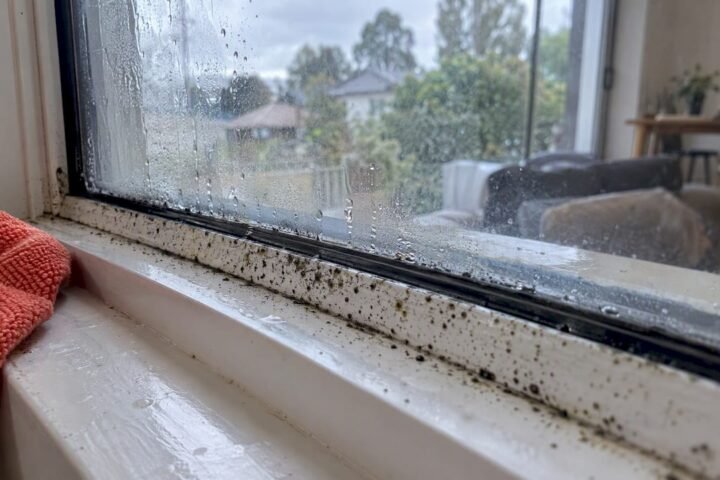
- Droppings. Small dark specks or smears near hiding spots, especially in large numbers, point to an established colony.
- Visible egg cases. Even one is evidence of breeding, and others are likely close by.
- A musty, oily odor. A stale smell in cupboards or behind appliances grows stronger as numbers rise.
- Repeated sightings after cleaning. If you’ve cleaned and still see nymphs a week later, the source is deeper in the structure.
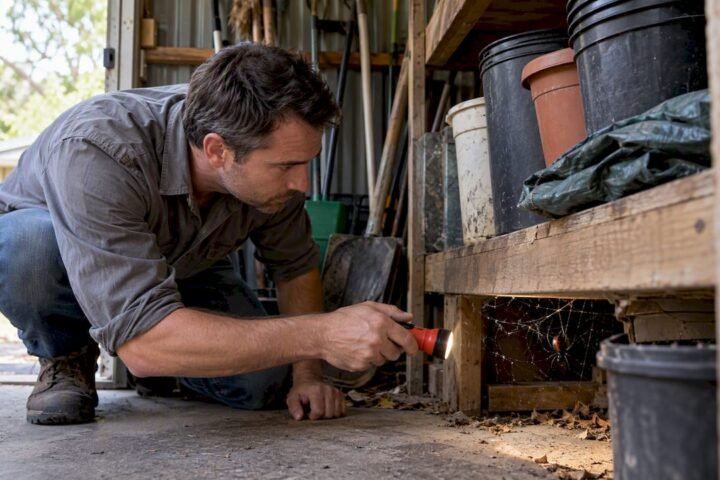
A good routine is a check after dark. Use a torch to look under the sink, behind the fridge, along the bottom of cabinets and around the bin. Our guide to cockroach infestation signs covers what else to look for. The more items on this list you can tick off, the less likely it is that DIY steps alone will solve it.
Where do baby roaches and their egg cases hide?
Professionals don’t spend time looking where roaches wander; they look where roaches live. Nymphs are rarely seen out in the open, so the useful search is of harbourage sites, the tight, dark, warm spaces close to food and water.
- Behind and under the fridge and oven
- Inside cabinetry, especially corners and hinge areas
- Under sinks and around plumbing penetrations
- Drains and floor wastes
- Skirting board gaps and wall cracks
- Behind other appliances such as dishwashers and washing machines
- Stacks of corrugated cardboard
Use a torch and a mirror, and avoid pushing bare hands into voids you can’t see into. Photograph anything you find, because it speeds up the call to a technician. Our guide to cockroach hiding places goes deeper on each location.
This is also why spraying open floors rarely works. Targeting the harbourage is what gets results.
Pro Tip: Check the gap behind the fridge first. It’s warm, dark and close to food, and it’s the spot that most often shelters a hidden colony.
What should you do right now to slow the infestation?
You can reduce survival rates quickly with low-risk steps. These are the ones that matter most:
- Seal your food. Move dry goods into tight-lid containers. Cockroaches can live on tiny amounts of food, so the aim is to leave nothing accessible. City guidance recommends sealing food and not leaving dirty dishes overnight.
- Clean grease and crumbs. Wipe benches, stovetops and the floor around appliances, and don’t forget the back of the oven.
- Secure rubbish. Empty bins daily and keep them covered.
- Pick up pet food overnight. A full bowl is an easy meal for roaches.
- Remove cardboard and clutter. Boxes shelter egg cases in their corrugations. Discard suspect boxes, or bag and remove them.
- Dispose of what you find safely. Wear gloves, seal egg cases and dead roaches in a bag, and put them in the outside bin.
- Fix moisture. Repair dripping taps and dry the sink before bed.
Safety matters as much as speed. Keep children and pets out of the room while you clean, and don’t place any bait or product within their reach. If a child or animal does come into contact with a product, contact the Poisons Information Centre on 13 11 26, and read the product label before applying anything. For a deeper look at safe practice, see our note on pest control that is safe for pets and children.
Pro Tip: Keep the bin sealed and the sink clean. If nymph sightings don’t drop, treat that as a sign the colony may be established and move to targeted baiting or professional help.
Which DIY treatments actually work?
Gel baits are the most useful DIY option. They work because roaches eat the bait and carry the active ingredient back to the hiding spot, where other roaches are affected. Label guidance for domestic gel baits, such as the one for Spinogel Roach, says to place small, targeted amounts in cracks and crevices to limit exposure while still reaching the colony.
Label guidance: Domestic gel bait instructions call for spots of about 0.1 g, or roughly 5 mm across, placed in cracks and crevices, with reinspection around one month later.
Practical tips:
- Use several small spots, not big globs. Many small placements near hiding spots work better than a few large ones.
- Apply only in cracks and crevices. Keep gel off food-contact surfaces and away from anywhere children or animals can reach.
- Reinspect after about a month. Reapply where bait has been eaten. Professional products follow the same rule; the SECLIRA Gel Cockroach Bait label recommends visual reinspection after about one month and warns against contaminating waterways.
- Use sticky traps for monitoring. Place them along walls and behind appliances. They show where activity is heaviest and give you something to photograph.
- Consider insect growth regulators. A Northern Territory disease control bulletin names residual insecticides, insect growth regulators and baits as options and recommends combining them with hygiene.
- Skip the broad sprays. Over-the-counter aerosols can scatter roaches into new areas and make the spread worse.
The same bulletin advises inspecting first to determine species, location and extent before choosing a method. That order matters: a bait placed in the wrong spot does very little.
When should you call a licensed pest manager?
DIY has limits. Call a professional when you notice any of these:
- Nymphs keep appearing despite cleaning and baiting
- You see roaches in daylight
- You find visible egg cases or heavy droppings
- You live in a rental or multi-unit building, where neighbors’ units can reinfest yours
A professional visit typically starts with an inspection of harbourage sites, followed by targeted gel baiting or residual treatment in cracks and crevices, sanitation advice, and a follow-up check. Professional baits like SECLIRA are applied the same way, in cracks and crevices.
Before you hire anyone, ask:
- Are your technicians licensed and insured?
- What products will you use, and are they safe around children and pets?
- Do you offer a follow-up visit and a guarantee?
If German cockroaches are the culprit, our page on German cockroach control explains what a typical treatment involves.
How do you stop cockroaches coming back?
Prevention is mostly habit and maintenance. Work through this checklist:
- Seal gaps. Fill cracks around pipes, skirting boards and cabinets, and fit door sweeps where gaps let roaches in.
- Fix leaks. Moisture draws them in, and dry areas are far less attractive.
- Store food sealed. Use tight-lid containers and keep pantry shelves clear of crumbs.
- Deep-clean under appliances. Do it every few months; grease and spills collect where you can’t see them.
- Take out rubbish promptly. Covered bins and daily emptying remove an easy food source.
- Watch for activity. Leave a few sticky traps in key spots so you spot a comeback early.
If you’re also managing sanitation in a commercial or shared kitchen, this commercial kitchen cleaning guide covers deep-clean practices that help. For high-risk properties, a scheduled plan keeps inspections regular; see our maintenance subscriptions for options.
Why we recommend inspection before anything else
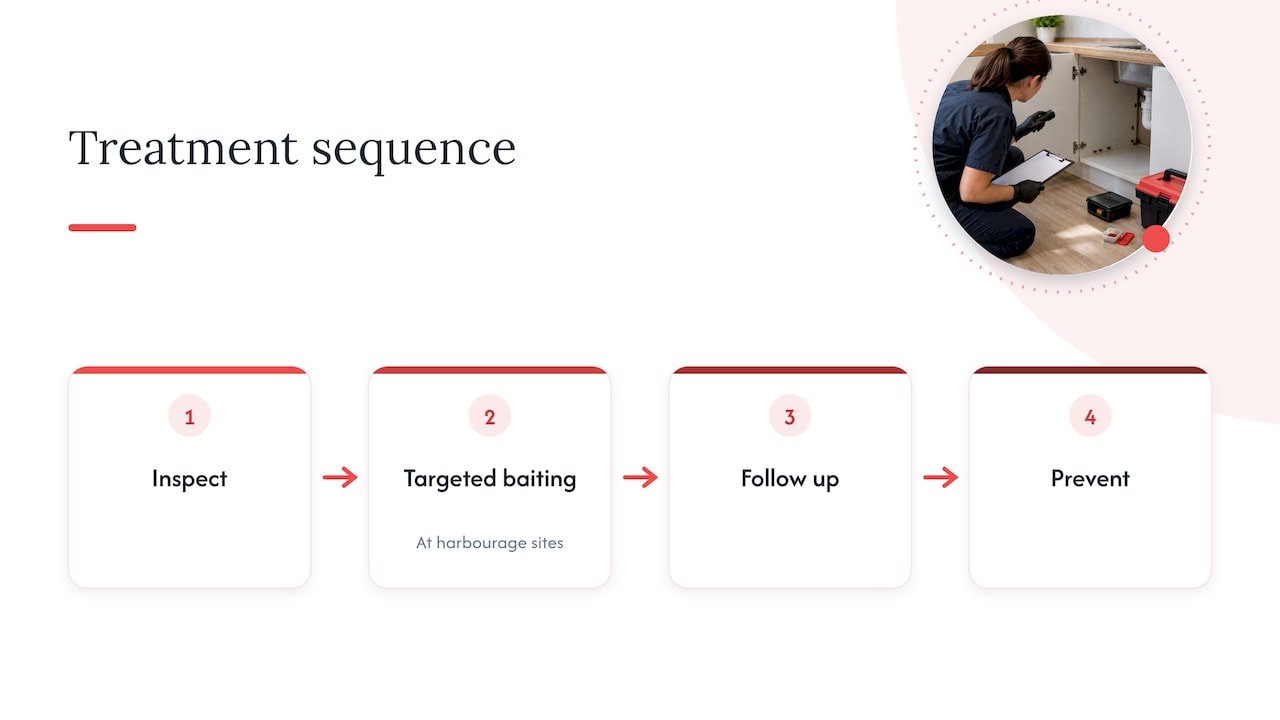
In our experience, the households that clear baby roaches for good follow the same path: inspect, bait the harbourage sites precisely, follow up, then prevent. Skipping the first step is the most common mistake. People treat where they see roaches, not where the roaches live.
Our licensed technicians use modern detection methods and treatments chosen with families and pets in mind. We’ve worked in the industry and serviced Canberra homes, and we’ve seen the same pattern many times: early action can help address the problem sooner. If you’d rather hand it over than manage baits and reinspection dates yourself, we’re happy to take a look and tell you plainly what we find.
— navin
Get cockroaches handled without the guesswork
When baby cockroaches signal an active breeding population, our general pest control service is the direct professional route. We carry out licensed, targeted cockroach treatments, starting with an inspection, so you aren’t left wondering whether the treatment worked.

What to expect:
- Inspection first. We check harbourage sites, confirm the species and gauge how far the problem has spread.
- Quote and safety plan. You get a clear treatment quote and the safety measures for your household, including children and pets.
- Targeted treatment. We apply treatments where cockroaches live.
To book an inspection, contact us through our general pest control page and tell us what you’ve found. Photos of the insects and where you saw them help us prepare.
FAQ
What does it mean when I see baby cockroaches in my house?
It usually means cockroaches are breeding nearby. Nymphs rarely appear unless a colony is established, so inspect harbourage sites and consider professional help if sightings continue.
How do I get rid of small roaches permanently?
Combine sanitation, sealing entry points and targeted gel baiting in cracks and crevices, then reinspect after about a month. A public health bulletin recommends pairing hygiene with insecticide measures, and a licensed pest manager can finish the job if numbers persist.
How big are cockroach nymphs?
Newly hatched nymphs are tiny, often just a few millimeters long, and they grow with each molt until they approach adult size. Species differ, so compare against a ruler and photograph them for identification.
How can I get rid of small cockroaches in my kitchen at night?
Seal food, clean grease and crumbs, empty the bin and place small gel bait spots in cracks near appliances and under the sink. Avoid broad sprays, which can scatter roaches, and keep bait away from children and pets.
Sources
- ProductName: APVMAApprovalNo:
- COCKROACHMANAGEMENT
- DISEASE CONTROL BULLETIN
- Periplaneta australasiae (Fabricius, 1775), Australian Cockroach
Recommended
- Spot 5–13 mm Cockroach Eggs and Remove Them Safely for Homeowners
- 24–72 Hour German Cockroach Control for Australian Homeowners
- Inspect Cockroach Hiding Places for Homeowners and When to Call a Pro
- Cockroach Infestation Signs: What to Look for at Home