The single best move against German cockroaches is targeted gel baiting combined with sanitation and exclusion, never foggers or blanket sprays. Baits let cockroaches carry poison back to the colony, while cleaning cuts off the food and water keeping them alive. If sightings continue after two to three weeks of consistent baiting, or the infestation is heavy, spreading between units, or involves someone with asthma or a severe allergy, book a professional pest controller rather than escalating the spray can yourself.
TL;DR:
- Consistent baiting paired with thorough sanitation and exclusion is more effective than foggers or blanket sprays for German cockroach control.
- After initial cleanup, bait placement along walls, behind appliances, and inside cabinets is crucial to maximize bait uptake and colony elimination.
- Monitoring with sticky traps and observing declines over three weeks helps determine if further treatment or professional intervention is necessary.
- Sprays and foggers often hinder bait effectiveness by creating repellent residues and failing to reach deep hiding spots within walls and cabinets.
- Professional pest control is recommended if cockroaches are visible during the day, reinfestations occur after DIY efforts, or household members have allergies or asthma triggers.
Table of Contents
- German Cockroach Control: Your First 24 to 72 Hours
- How to Identify German Cockroaches and Confirm an Infestation
- Prevention and Hygiene That Makes Control Possible
- Gel Baits, IGRs, Traps, and Dusts: What Actually Kills the Colony
- Why Foggers and Sprays Often Backfire
- When to Call a Licensed Pest Controller
- Monitoring Progress and Knowing When to Retreat
- Keeping Kids and Pets Safe During Treatment
- What Homeowners Get Wrong Most Often
- Book a German Cockroach Inspection With a professional pest management service
- Sources
- FAQ
German Cockroach Control: Your First 24 to 72 Hours
Before any bait goes down, the environment has to stop feeding the colony. These steps take a weekend, and they matter more than the product you eventually choose.
- Clear food debris from counters and floors, and move all pantry food into sealed containers.
- Empty and wash out kitchen and bathroom bins. Cockroaches feed on grease and residue clinging to bin liners.
- Dry out water sources: wipe puddles under sinks, fix a dripping tap if you can, and check under the fridge for condensation trays.
- Place a few sticky monitors in dark corners near appliances and cupboards, and jot down where and when you spot activity.
- Skip spraying anywhere you plan to place bait later. Residue from a can of surface spray will make cockroaches avoid bait for weeks.
- If treatment areas include cabinets or under-sink cupboards, keep kids and pets out until surfaces are dry or the product label says it’s safe.
None of this kills the colony outright. It just removes the competition so bait becomes the most attractive food source in the house, which is exactly what makes baiting work.
How to Identify German Cockroaches and Confirm an Infestation
German cockroaches are small, typically around half an inch long and sometimes slightly longer (about a centimeter), light brown to amber, with two dark parallel stripes running down the back of the head. They don’t fly well and rarely venture far from moisture and food, which is why almost every serious infestation starts in the kitchen or a bathroom.
Confirming the scale of a problem means checking specific spots, not just glancing around the room:
- Behind and underneath the fridge, stove, and dishwasher, where heat and food debris collect.
- Under sinks and inside cupboard corners, particularly where pipes pass through cabinet walls.
- Inside drawer undersides and the gap where drawers meet cabinet frames.
- Wall voids around electrical outlets and inside drain covers.
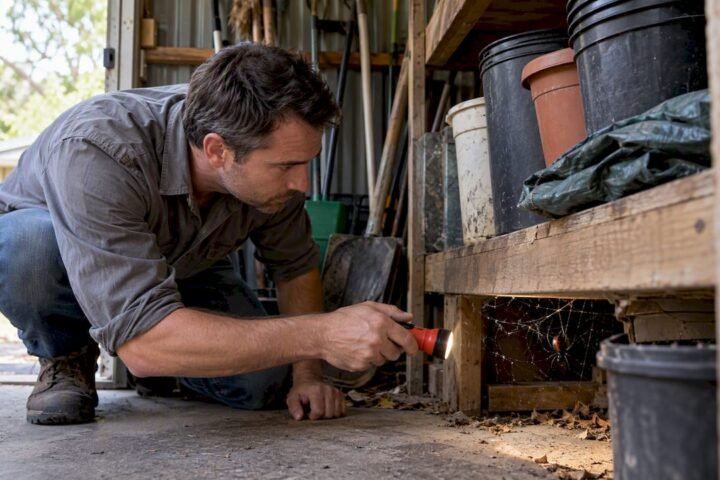
Use a flashlight and check at night when German cockroaches are most active. Log what you find: small dark fecal pellets that look like ground pepper, oothecae (the tan, purse-shaped egg capsules females carry), shed skins from molting nymphs, and greasy brown smear marks along travel routes. Seeing roaches during the day, not just at night, usually signals a population that has outgrown its hiding spots, according to the NC State Extension entomology program.
Prevention and Hygiene That Makes Control Possible
No bait, spray, or professional visit works long term without cutting off what draws German cockroaches into a kitchen in the first place. Sanitation and fixing leaks are the single most cited prevention measures in public health guidance on cockroach control, and for good reason: a colony without food or water can’t sustain the rapid breeding that makes this species so hard to shift.
Daily habits matter more than a big weekend clean:
- Wipe down counters and stovetops after every meal, including crumbs under the toaster.
- Wash dishes before bed rather than letting them soak overnight.
- Never leave pet food bowls out past evening; empty and wash them daily.
- Vacuum or sweep under appliances weekly, not just when you remember.
Structural fixes close off the hiding spots hygiene alone can’t reach: seal gaps around pipes under sinks with caulk, repair loose skirting boards, and fix warped drawer bottoms where crumbs collect. Reducing cardboard and paper storage near the kitchen also removes prime egg-laying real estate.
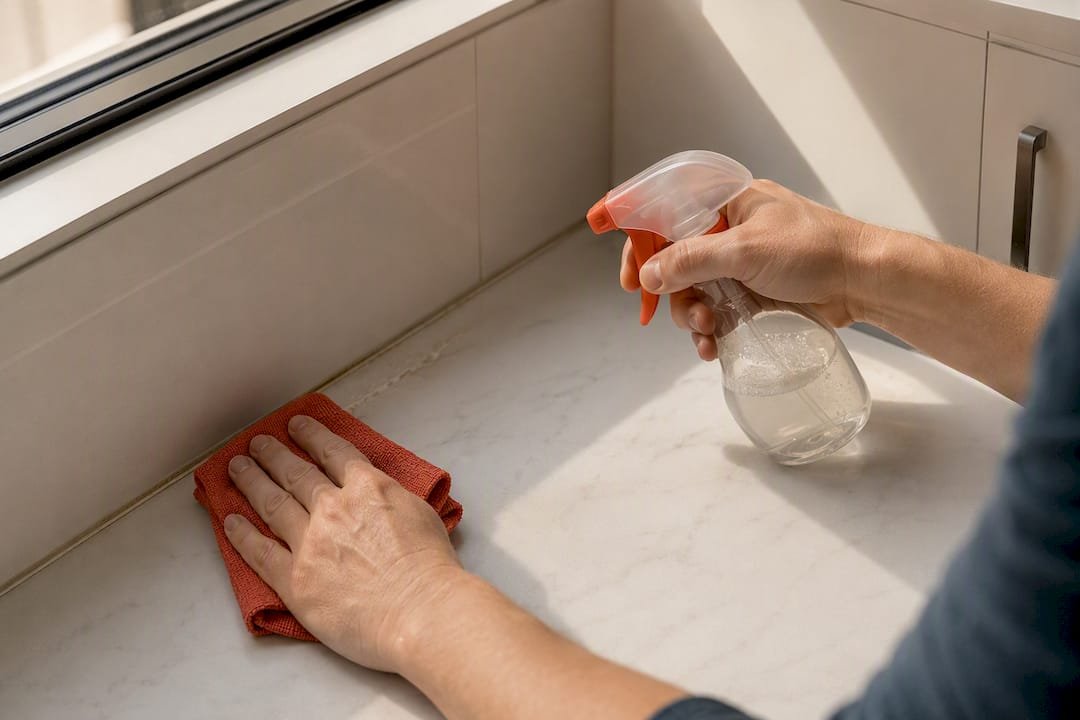
Pro Tip: Keep a spray bottle of diluted dish soap on hand for spot cleaning greasy smear marks. It breaks down the pheromone trail cockroaches leave for each other, without leaving any residue that repels bait.
Food-handling businesses face the same fundamentals on a bigger scale. Resources like this HACCP food-safety guide cover the same principle: pest control in a kitchen starts with denying pests a reason to be there.
Gel Baits, IGRs, Traps, and Dusts: What Actually Kills the Colony
Gel baits are the backbone of effective German cockroach control because they exploit the species’ own social behavior. Cockroaches feed on bait, return to harbourage, and pass the active ingredient to others through contact, feces, and cannibalism, which means a single feeding bout can affect dozens of hidden roaches that never touched the bait directly, based on CSIRO’s published urban entomology research.
Placement makes or breaks results:
- Use small, nickel or dime sized spots of bait rather than one large dollop; cockroaches feed more readily from multiple small placements spaced along travel routes, per NC State Extension’s field guidance.
- Put bait along walls, behind appliances, and inside cabinet hinges. Never near food prep surfaces.
- Add insect growth regulators (IGRs) alongside bait. IGRs stop nymphs from maturing into breeding adults, cutting off the next generation while bait knocks down the existing population.
- Keep a few sticky traps in the same rooms to measure whether activity is actually dropping.
- Reserve crack-and-crevice dusts and directed residual treatments for licensed technicians, who apply them precisely into voids and cracks without contaminating open living space.
Expect a short burst of visible activity in the first few days after baiting. That’s usually a sign of uptake, not failure, according to practitioner field notes on German cockroach behavior. A well-baited kitchen typically shows a clear drop in sightings over a couple of weeks, though full population collapse in a heavy infestation generally takes some additional time with sustained baiting and monitoring.
Why Foggers and Sprays Often Backfire
Total-release foggers scatter German cockroaches deeper into wall voids and behind cabinetry instead of killing them outright, since the insects sense the aerosol and flee before absorbing a lethal dose. Broad surface sprays cause a different problem: they leave a repellent residue that makes cockroaches avoid the exact areas where you’d want to place bait later.
- Foggers rarely reach the cracks and voids where German cockroaches actually live.
- Surface sprays applied near kitchens or bathrooms can render bait useless for weeks afterward.
- If you’ve already sprayed, clean the treated surfaces thoroughly with soap and water before placing any bait, and expect to wait several days for repellency to fade.
This is one of the most common reasons DIY treatment stalls: a homeowner sprays first out of instinct, then wonders why bait placed a week later gets ignored, a pattern also flagged in state agricultural guidance on cockroach control.
When to Call a Licensed Pest Controller
DIY sanitation and baiting handles most light to moderate infestations, but certain situations call for a professional rather than another trip to the hardware store.
- Roaches are visible during the day in multiple rooms, not just at night near the kitchen.
- Sightings return within weeks after a genuine baiting and cleaning effort.
- You live in an apartment or townhouse, where reinfestation can travel between connected units without a building-wide response.
- A household member has asthma or a severe allergy, since cockroach droppings and shed skins are known asthma triggers.
A licensed service typically starts with a full inspection to map harbourage, then applies targeted gel bait and IGRs, follows up with crack-and-crevice work in voids a homeowner can’t safely access, and schedules a return visit to confirm the population has dropped. Realistic outcomes run one to six weeks depending on severity, with follow-up built in rather than treated as optional.
Pro Tip: Ask any provider what happens if roaches reappear within 30 days. A follow-up visit built into the price is the difference between a treatment and a guarantee.
Monitoring Progress and Knowing When to Retreat
Sticky monitors placed near harbourage, checked every few days, tell you far more than eyeballing the kitchen at night.
- Log the count on each monitor every three to four days rather than relying on memory.
- Expect a slight uptick in activity during the first week as bait draws roaches out of hiding.
- Watch for a steady decline over the following two to three weeks; a flat or rising trend after that point means the bait isn’t working or was contaminated.
- If monitor counts haven’t dropped meaningfully after three weeks of consistent baiting, treat that as the signal to call a professional rather than doubling down on more bait.
Keeping Kids and Pets Safe During Treatment
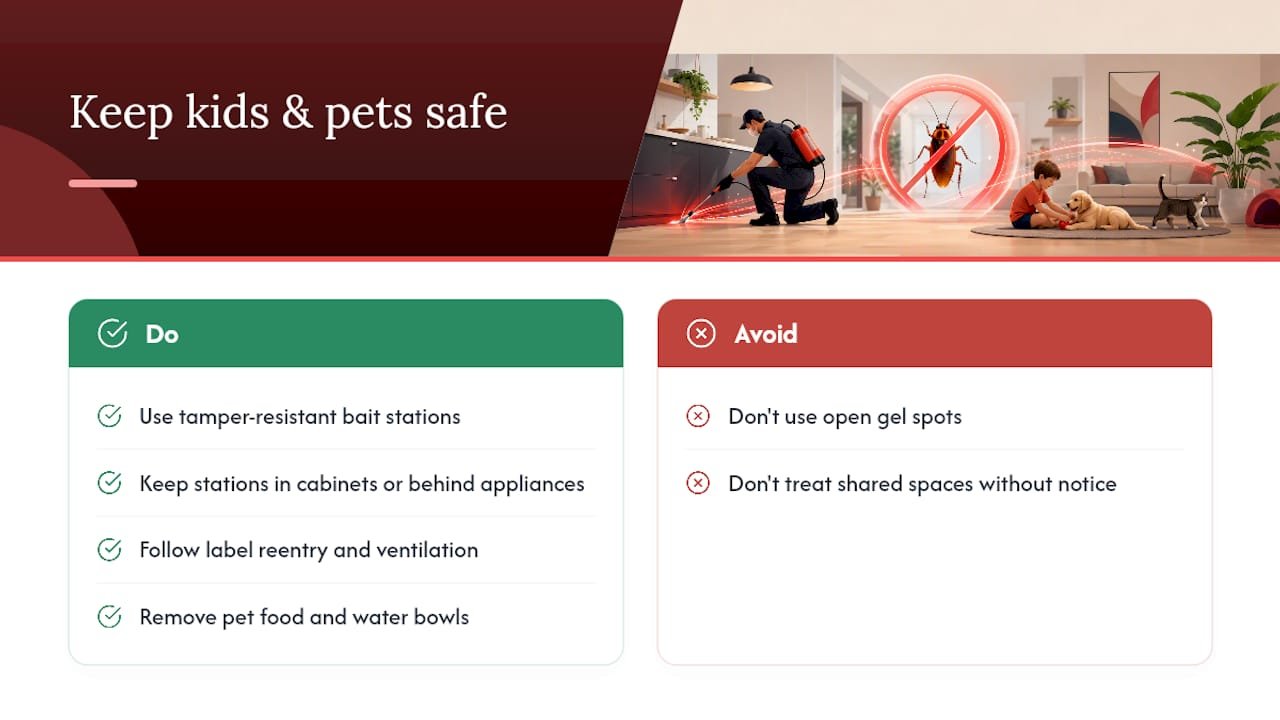
Choose tamper-resistant bait stations over open gel spots wherever curious hands or paws can reach, and place them inside cabinets or behind appliances rather than on open floors. Always follow label directions on reentry times and ventilation. Pull pet food bowls and water dishes before applying any product, and if you’re treating a shared kitchen at work, a rental, or a school setting, tell whoever else uses that space before you start.
What Homeowners Get Wrong Most Often
Most calls we see follow the same pattern: someone sprays first, panics when roaches scatter, and only tries bait after the residue has already ruined it. Targeted baits paired with IGRs and real follow-up consistently outperform that instinct, and a guaranteed professional visit removes the guesswork entirely.
— navin
Book a German Cockroach Inspection With a professional pest management service
A licensed technician inspects every harbourage point, applies gel bait and IGRs exactly where the colony feeds, and comes back to confirm the numbers actually dropped.

Our general pest control service covers exactly the German cockroach scenarios this guide walks through: heavy infestations, recurring sightings after a DIY attempt, and shared buildings where reinfestation travels between units. Book a visit and a technician inspects the property, builds a treatment plan around your kitchen and bathrooms, keeps kids and pets in mind with tamper-resistant placements, and schedules the follow-up that DIY bait boxes never include on their own. If ongoing protection makes more sense for your household, our subscription plans fold cockroach control into a broader maintenance schedule. Request an inspection through the general pest control page and get a plan built around what our technician actually finds in your home.
Sources
This guide draws on Health Victoria’s cockroach control guidance, NC State Extension’s German cockroach research, CSIRO’s published urban entomology work, and Northern Territory health guidance on cockroach control. Each source combines public-health authority with field-tested integrated pest management practice.
- Cockroaches – pest control
- CSIRO publishing — (urban entomology / pest control principles)
- German cockroach: Biology, identification, control — NC State Extension
FAQ
How Do I Get Rid of German Roaches Permanently?
Permanent control means combining sanitation, sealed food storage, and targeted gel baiting with insect growth regulators, sustained over several weeks rather than a single treatment. Skipping sanitation or relying only on spray leaves food and shelter intact, which lets a colony rebuild even after bait knocks numbers down.
What Do German Cockroaches Hate the Most?
German cockroaches avoid dry, clean surfaces with no food residue and no standing water, since both are essential to their survival. They also avoid areas contaminated with repellent spray residue, which is exactly why sprays and bait should never be used in the same spot.
Why Are German Roaches the Hardest to Get Rid Of?
Their short life cycle and high egg output let a small population rebound quickly if any food source or moisture point survives cleanup, a pattern documented by the Australian Museum’s entomology research. Their habit of hiding deep in cracks and voids also makes them hard to reach with anything but bait or professional crack-and-crevice treatment.
Why Do I Suddenly Have German Cockroaches?
A sudden appearance usually traces back to a new water source, like a slow leak, or roaches hitchhiking in on secondhand furniture, appliances, or grocery boxes. In apartment buildings, an infestation in a neighboring unit can also push roaches through shared wall voids and plumbing into your space.