Every spring, something stirs beneath the foundations of Canberra homes. As temperatures climb and the first warm rains arrive, thousands of winged termites take flight in search of new colony sites, and for ACT homeowners, this marks the beginning of the highest-risk period on the termite calendar.
If you have ever spotted a swarm of small winged insects near your home and dismissed them as flying ants, this post is essential reading. Termite Canberra risk is not a year-round constant; it follows a predictable seasonal pattern shaped by the ACT’s unique temperate climate, and understanding that pattern could save you thousands in structural repairs.
In this analysis, you will learn exactly when Canberra’s termite season peaks, which local species pose the greatest threat, and why booking a professional inspection before November is one of the most cost-effective decisions a homeowner can make. We will also walk you through the warning signs to watch for, what a thorough inspection should cover, and a practical pre-season checklist to help you stay ahead of the swarm, rather than scrambling to respond after one.
Why Canberra’s Climate Creates a Distinct Termite Risk Window
Canberra’s climate sets it apart from every other major Australian city for termite risk. The ACT’s temperate continental conditions produce cold winters that genuinely suppress termite activity, followed by a sharp spring unlock from September onward as soil temperatures climb.
In tropical cities like Darwin, or humid coastal centres like Sydney, termites remain active across most of the calendar year. Canberra homeowners face something different: a concentrated high-risk window rather than a diffuse, year-round threat. That distinction matters because predictable risk can be acted on.
October through February is that window. Warming soil temperatures, longer daylight hours, and post-rain humidity combine to drive colony activity toward its annual peak. This is when established colonies reach the maturity needed to produce swarmers, and when new colony establishment concentrates most heavily.
The pronounced swing between cold winters and warm summers shapes this pattern. Colonies that spent winter in low-activity states accelerate rapidly once conditions shift, compressing the active period into a more intense seasonal spike than homeowners in more temperate coastal cities typically experience.
This local specificity is why generic advice, including US-based guidance built around Northern Hemisphere species and climate patterns, does not apply here. For a closer look at what local conditions mean for your protection options, the termite treatment options guide for Canberra homeowners covers the ACT context in detail. The timing, the species, and the climate triggers are all different, and the response needs to match.
What a Termite Swarm Actually Is (And Why It Matters for Your Home)
That concentrated seasonal risk has a specific biological trigger, and understanding it changes how urgently you should respond when you see winged insects in your home.
A termite swarm is not a random event. It is the deliberate release of alates: winged reproductive termites produced by a mature colony solely to found new colonies elsewhere. Alates do not feed on timber. Their only function is dispersal and reproduction.
Alates are routinely mistaken for flying ants, and the misidentification is costly. Termite alates and flying ants are visually similar; if in doubt, collect a sample in a zip-lock bag and have it identified by a licensed pest manager.
If you are uncertain whether what you have spotted is a termite or a flying ant, knowing how to tell if a termite nest is active can help you assess the urgency.
Alates inside or near your home signal an existing mature colony nearby, not a future risk. A colony must be several years old before it produces alates. Swarmers on your windowsill mean the colony is already established, already foraging, and potentially already feeding on your home.
After emerging, alates shed their wings, pair up, and burrow into soil near a timber food source to start a new colony. This post-swarm window is the optimal moment to act before a second colony establishes.
Environmental triggers, including sustained warmth and post-rain humidity, prompt coordinated alate release across the ACT region.
Which Termite Species Are Active in the ACT and When
Two termite species account for the majority of structural risk in Canberra and the surrounding region.
Coptotermes lacteus is present in the ACT region and is associated with structural timber damage; where colonies establish inside a building, the damage may be internal and not immediately visible, with external surfaces remaining intact while framing timbers are compromised beneath.
Nasutitermes exitiosus is also confirmed in the Canberra area. This species is primarily a mound-builder but can breach structural timber, and properties bordering bushland, reserves, or remnant vegetation carry a higher exposure risk. As Canberra expands into previously undeveloped land, including newer suburbs in Molonglo Valley, Gungahlin, and Throsby, homes are increasingly built close to existing colonies in tree stumps and native soil.
Both species have been confirmed in the Canberra region; the October–February window is the broadly observed risk period across temperate eastern Australia. Swarm activity for each typically peaks after the first sustained warm, humid days of spring.
Species identification is not just academic: it directly shapes how treatment is applied, which is one reason a professional termite inspection that meets Australian standards should always precede any treatment decision.
The Canberra Termite Calendar: Month-by-Month Risk Breakdown
Knowing which species are active in your garden is useful; knowing when they move is what lets you act before damage begins.
August-September: Pre-Season (Optimal Inspection Window)
As Canberra’s soil temperatures climb out of winter lows, colonies expand their foraging networks underground. No alates appear yet and surfaces show nothing unusual. That invisibility is precisely why this two-month window is the best time to book a professional termite inspection in Canberra: a pest manager can detect foraging activity and early-stage workings before structural damage escalates.
October-November: High Alert
The first warm fronts push soil temperatures high enough to trigger alate emergence. Homeowners typically notice winged termites at windowsills, light fittings, or door frames, often on the first humid evening after rain. This is when ACT City Services publishes guidance on termite activity. Booking demand typically rises once visible swarm activity begins, so scheduling ahead of the season improves access.
December-January: Peak Risk
Sustained heat combined with post-storm humidity drives the most intense swarm activity of the year. New colonies attempt establishment in moist soil adjacent to timber-framed structures.
February: Late Season
Swarm frequency eases, but emergency inspection demand peaks as homeowners who dismissed earlier signs finally respond. Booking availability is at its tightest.
March-July: Off-Season
Visible swarming stops, but active colonies continue feeding through autumn and winter. Damage accumulates silently inside wall frames and flooring joists with no surface indication until the following spring reveals the full extent.
The Post-Swarm Window: Why Timing Your Response Is Critical
As established above, the swarm itself signals a colony already years in the making, what the post-swarm window adds is urgency about what happens next.
Seeing alates signals two problems simultaneously, and the less obvious one is the more serious.
The first problem: once a mated pair sheds their wings and locates suitable soil near a timber food source, they can begin founding a secondary colony shortly after. Intervening quickly disrupts that process before a new queen reaches reproductive maturity and the cycle begins again.
The second, more urgent problem: the swarm itself is evidence of an established, mature colony already present on or near your property. Coptotermes infestations are characteristically internal; timbers can be hollowed to a thin shell while the paint and plaster surface above remains completely undisturbed. By the time swarmers are visible, colony behaviour and the seasonal lifecycle are already well advanced.
Pest management research confirms that large numbers of swarmers emerging inside a building indicate a substantial colony actively feeding on that structure. This is not a future risk to monitor; it is a present infestation requiring immediate professional assessment.
Australian pest management industry practice supports annual inspections aligned to local seasonal conditions. In the ACT, that means before October, not after the first swarmers appear. Homeowners who wait until swarmers are visible are already weeks into the high-risk season, booking against peak industry demand, with lead times extending precisely when speed matters most.
The Case for Booking Your Termite Inspection Before November
The timing argument is simple: an August or September inspection catches foraging termites before the October swarm window opens, when colonies are expanding underground but have not yet begun the structural feeding that causes serious damage. At that stage, a pest manager has more to work with and more to protect.
(As noted in the calendar section, booking demand typically rises once visible swarm activity begins.) Booking reactively means starting the treatment process late, during peak season, with less leverage.
The financial logic holds up under any comparison. Preventive inspections are generally far less costly than remedial treatment and structural repairs after an infestation has progressed, a comparison any licensed pest manager can walk you through.
Homeowners in newer ACT suburbs bordering reserves or undeveloped land, including areas in Molonglo Valley and Gungahlin, carry a higher baseline risk given proximity to established colonies in surrounding soil and vegetation. For these properties, a consistent annual pre-season schedule is the most effective approach. An annual inspection booked in August or September keeps that protection continuous rather than crisis-driven.
What a Professional Termite Inspection in Canberra Should Cover
Knowing when to book matters. Knowing what to expect when the inspector arrives matters just as much.
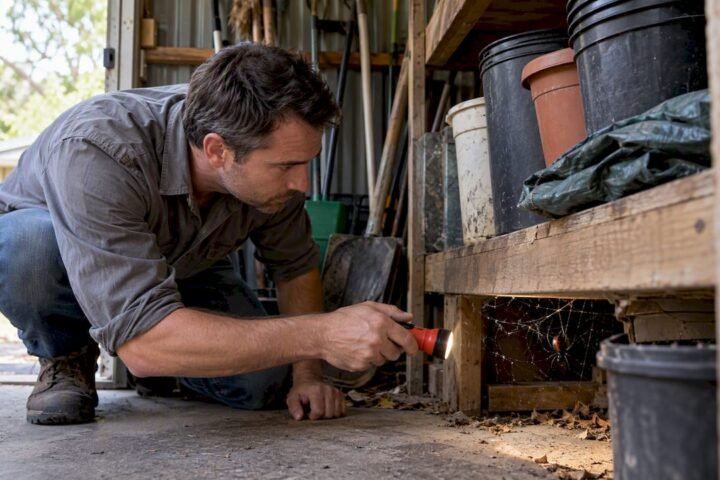
In Australia, compliant termite inspections are governed by AS 3660.2, the national standard that defines how a licensed pest manager must assess an existing building. Every accessible area of the structure falls within scope: subfloor spaces, roof void, wall cavities, and the full perimeter of the property and grounds.
What Inspectors Are Looking For
Inspectors assess four categories during a thorough inspection:
- Active termite workings, including live insects and disturbed galleries
- Mud leads, the protective tunnels termites construct from soil and saliva to travel between ground and timber without exposure to light or air
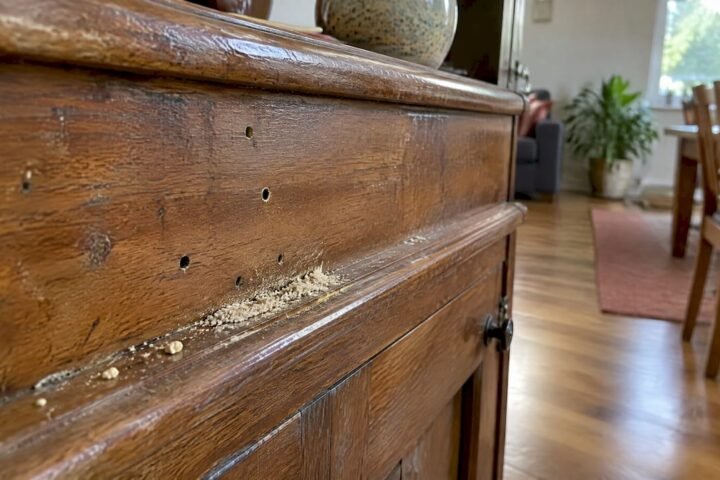
- Damaged or hollow-sounding timber, identified by probing and percussion testing
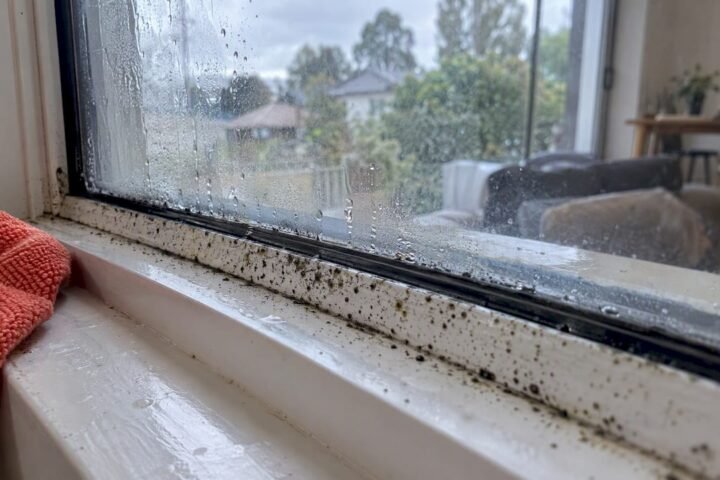
- Moisture conditions, since damp subfloors, leaking pipes, and poor drainage are primary attractants for colony activity
The Written Report Requirement
A verbal summary at the door is not sufficient and is not compliant with Australian standards. A professional inspection should produce a written report covering findings, a risk rating, and recommended treatment options. If a pest manager cannot provide this documentation, the inspection does not meet AS 3660.2 obligations.
Treatment Options After a Positive Finding
Where termite activity is confirmed, two primary treatments apply: chemical liquid barriers, applied to soil around the structure’s perimeter and penetrations, and baiting systems, in-ground monitoring stations that exploit termite feeding behaviour to deliver colony-eliminating bait back to the nest.
BugsPatrol’s termite inspections for ACT homeowners include a 12-month rolling warranty, year-round protection plans, and no upfront fees. Ready to work with Canberra’s best?
Warning Signs ACT Homeowners Should Never Ignore
Knowing what to look for yourself, before booking a professional inspection, can be the difference between early intervention and serious structural damage.
These are the four signs that warrant immediate action:
- Discarded wings on windowsills, near light fittings, or along skirting boards indicate alates have recently emerged nearby or entered from an adjacent colony. Wings are shed almost immediately after swarming, so finding them means the event was recent.
- Hollow-sounding timber when tapped on floorboards, door frames, or skirting boards points to internal feeding damage. Termites consume timber from the inside out, leaving surfaces intact while gutting the structural core beneath.
- Mud leads or mud tubes running along foundations, walls, or between soil and timber are the clearest physical evidence of active termite workings. Termites construct these sealed tunnels to travel between colony and food source while avoiding light and open air. Their presence means a colony is actively working nearby and professional assessment should not be delayed.
- Stiff or difficult doors and windows in summer are not always a humidity issue. Termite damage to surrounding timber framing can cause subtle warping that mimics seasonal swelling.
For a broader guide to where to look for bites and signs in the home, including less obvious locations, that resource covers detection beyond termites.
Any of these signs appearing between October and February demands urgent attention. This is the period when active colonies are most mobile and professional assessment should not be delayed. Home insurance does not cover termite damage to structural timbers, making early detection a financial priority, not just a practical one.
Act Before the Swarm: Your Pre-Season Checklist for Canberra Homeowners
Knowing the warning signs is only half the battle. Acting before those signs appear is what separates a manageable inspection from an emergency call mid-summer.
- Book a professional inspection in August or September. Booking demand typically rises once visible swarm activity begins, so scheduling ahead of the season improves access.
- Walk your perimeter after the first warm spring rains. Look along foundations, timber posts, and garden edges for early indicators, which are easiest to spot before vegetation thickens through spring.
- Check subfloor ventilation and timber contact. Blocked vents create the moisture conditions termites favour. Any timber sitting in direct contact with soil around your foundation removes a critical barrier between a ground-foraging colony and your home’s frame.
- Do not disturb suspected activity. Attempting DIY treatment before a professional assessment can compromise treatment outcomes, so always contact a licensed ACT pest manager first.
- Consider a year-round protection plan. A plan covering annual inspections, in-ground monitoring stations, and warranty-backed treatment ensures your home carries continuous protection across every swarm season, not just the one you happened to notice.
BugsPatrol offers Canberra homeowners exactly this: locally based termite expertise, 12-month rolling warranty cover, and no upfront fees, so pre-season protection is straightforward to maintain year after year.
Conclusion
Canberra’s termite season is predictable, and that predictability is your greatest advantage. The risk window opens fast once spring temperatures rise, swarms signal that colonies are already established and expanding, and the gap between early detection and costly structural damage is often just a matter of weeks. ACT homeowners who inspect early, recognise the warning signs, and maintain consistent year-round protection are simply in a far stronger position than those who respond after damage appears.
Do not wait for visible evidence inside your home. By that point, the work is already done.
Book your pre-season termite inspection with BugsPatrol before November, secure your spot ahead of peak demand, and start the warmer months knowing your home has been assessed by local experts who understand exactly what Canberra’s conditions produce. Protection is easier to maintain than damage is to repair.