Fruit flies are tiny, tan-bodied flies with reddish eyes that hover around ripe fruit, bins and the kitchen sink. Drain flies are fuzzy, dark and moth-like, and they sit on bathroom walls or around drains. The short version: look at the body (smooth versus furry), look at where they gather (fruit and food versus drains and damp rooms), and treat the breeding source, not the flies you can see. The rest of this guide shows you how to do each of those checks, what to do next, and when it makes sense to call us.
TL;DR
- Fruit flies are about 2 to 4 mm long, smooth, stout and often red-eyed. They come from fermenting fruit, vegetables, bin residue and sugary spills.
- Drain flies are fuzzy, dark grey to black and moth-like, with wings held roof-like or flat. They come from slimy film inside drains, condensate pipes and other damp organic buildup.
- Spraying adult flies does not fix either problem. Remove the breeding material, or the next batch hatches within days.
- If flies keep returning after a thorough clean, the source is probably hidden: a cracked pipe, a rarely used floor drain, a sewer or septic fault. That is when a licensed technician helps.
Table of Contents
- The quick visual test
- Where each one breeds
- A simple test to confirm what you have
- Are they a health risk?
- How to get rid of fruit flies
- How to get rid of drain flies
- Preventing a return
- Our perspective
- When to call a professional
- FAQ
- Sources
The quick visual test
Most people ask this question while standing in the kitchen or bathroom swatting at something small. You do not need a magnifying glass. Three checks, in this order, settle it in under a minute.
1. Body and wings
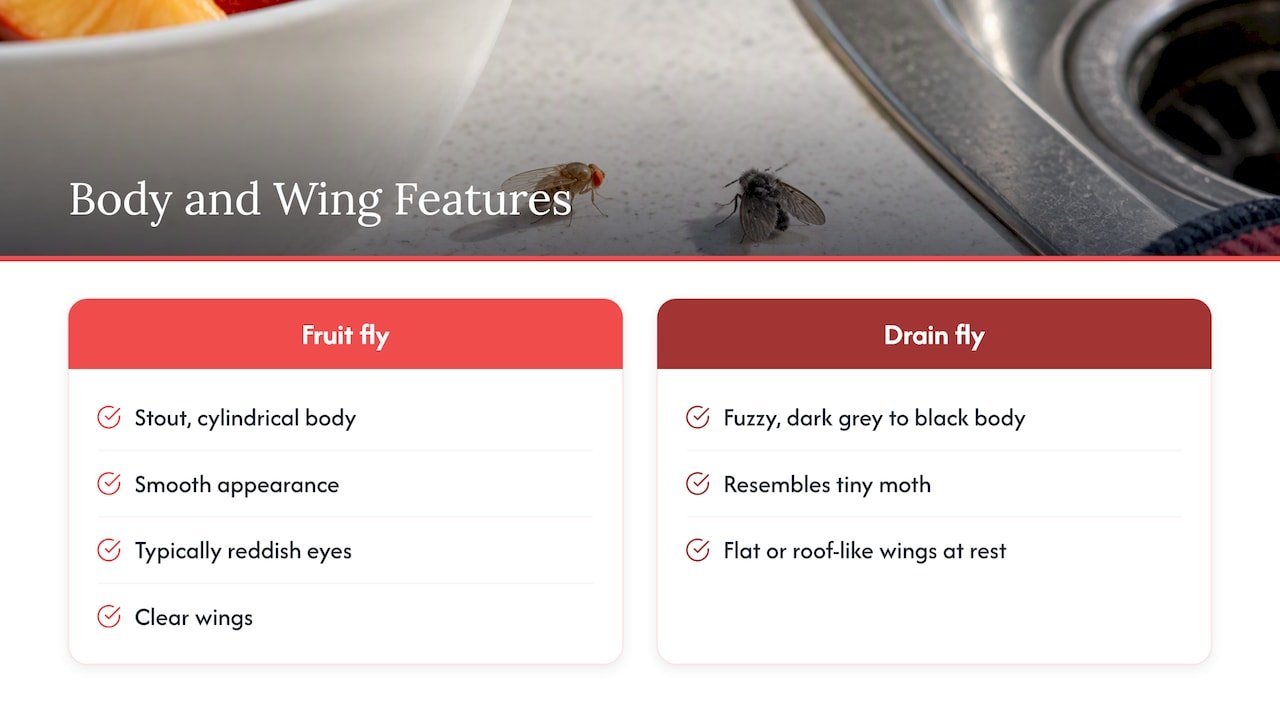
Fruit flies belong to the family Drosophilidae. They are roughly 1/8 inch (2 to 4 mm) long with a stout, cylindrical body and typically reddish eyes, according to Texas A&M AgriLife Extension. Their wings are clear and the body looks smooth.
Drain flies look completely different. The same source describes them as fuzzy, dark grey to black flies that resemble tiny moths, found near sinks and tubs, with wings held flat or roof-like when at rest. If you squint and think “moth”, it is a drain fly. If you see a tiny tan fly with a red dot for an eye, it is a fruit fly.
2. How they fly
Drain flies are weak, clumsy fliers. They tend to hop, flutter in short bursts and land again close by, often on the wall beside the drain. Fruit flies are more agile. They hover, dart and drift in loose clouds around whatever they are feeding on.
3. Where you find them
Location is the most reliable clue.
| Fruit fly | Drain fly | |
|---|---|---|
| Size | About 2 to 4 mm | Similar small size, but looks bigger because of the fuzzy wings |
| Look | Smooth, stout body, usually red eyes | Fuzzy, dark grey to black, moth-like |
| Resting wings | Held flat over the back | Roof-like or flat |
| Typical spot | Fruit bowl, bin, compost caddy, recycling, sink | Bathroom walls, shower, floor drains, laundry |
| Breeds in | Fermenting fruit, vegetables, sugary residue | Slimy film in drains and pipes |
| Flight | Agile, hovering | Short, weak hops |
There is one honest complication. Some other small flies also breed in drains and are easy to mistake for these two. Pest control information for drain flies warns that they should not be confused with fruit flies, phorid flies or sphaerocerid flies that also infest drains. If the flies look humpbacked and run across surfaces rather than flying, you may have phorid flies, which usually point to a more serious drainage or sewage problem. That is a case for a professional inspection.
Where each one breeds
Adult flies are the symptom. The breeding material is the problem, and the two species use very different material.
Fruit flies: fermenting food
Fruit fly larvae feed on the yeasts associated with decaying food, so anything ripening, rotting or fermenting can host a generation. Think of the fruit bowl, a forgotten potato, an overripe banana in the bin, a wine or beer bottle in the recycling, the sticky ring under a juice bottle, even a damp dishcloth or mop that has soaked up food residue.
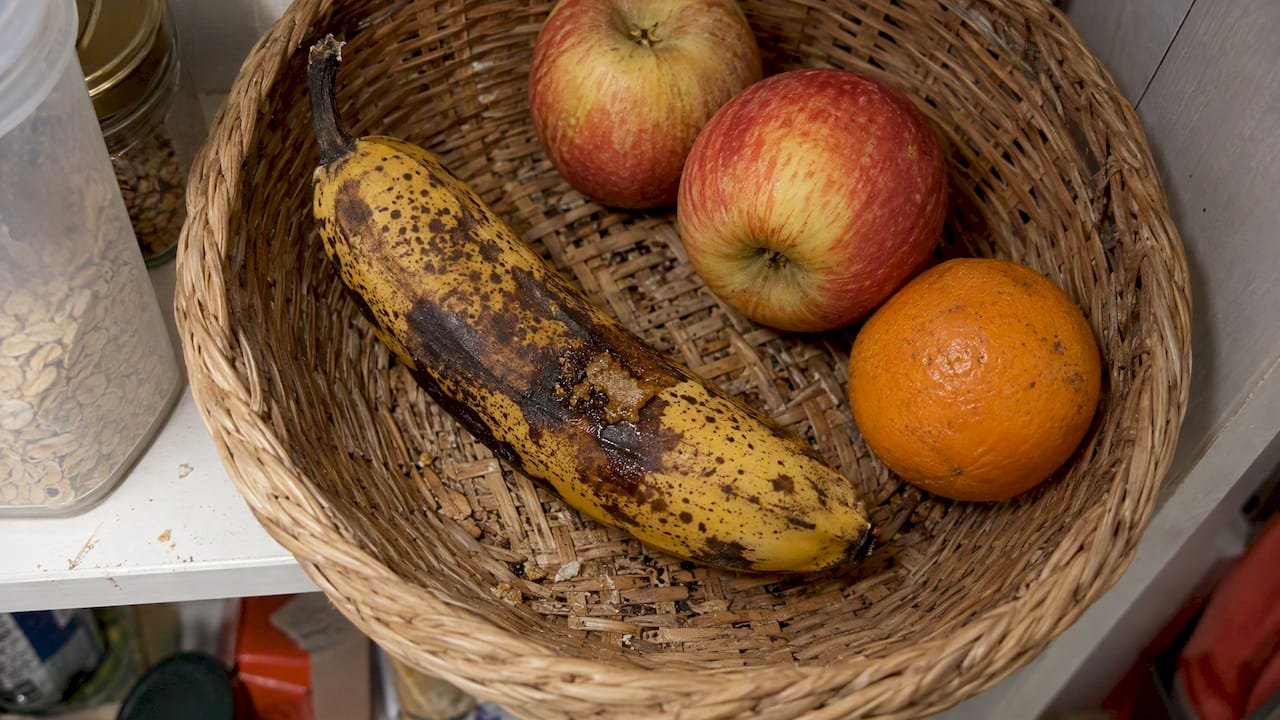
The reason a few flies become fifty quickly is that breeding sites are small. A single piece of rotting fruit at the bottom of a pantry basket is enough.
Drain flies: the film inside the pipe
Drain flies breed in the films and muck that build up in drains and air-conditioner condensate pipes, as well as in other moist organic material, according to NC State Extension. A later fact sheet from Alabama Extension adds that they are drawn to the odor of moist, decaying organic matter and may lay eggs at drain openings, inside drainpipes or under toilet rims.
That explains why they show up in rooms that seem clean. A shower drain can look spotless while the pipe wall a few centimeters down carries a layer of soap scum, hair and skin cells. Rarely used drains are classic culprits: a spare bathroom, a laundry floor waste, a basement or garage drain that never sees running water.
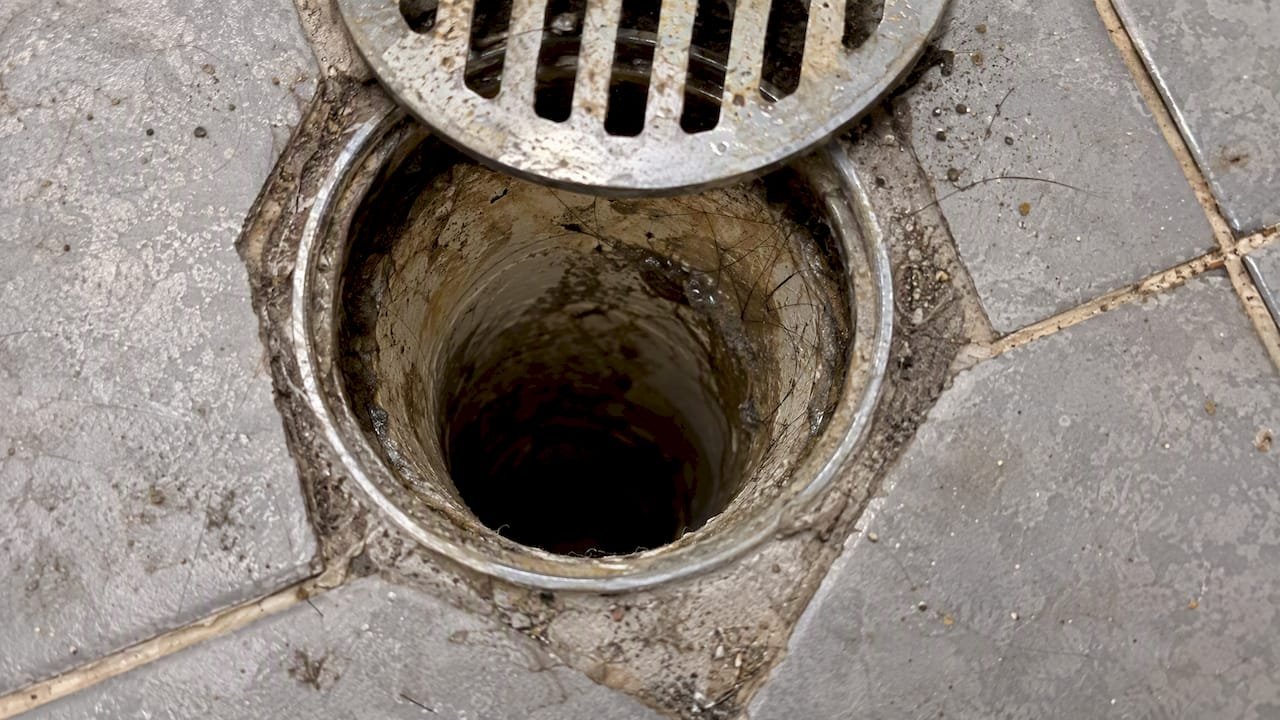
“Why am I suddenly getting drain flies?”
A sudden outbreak usually has one of a few causes:
- A drain has sat unused, for example while you were away or in a guest bathroom, and the film has had time to thicken.
- A condensate line from an air conditioner is partly blocked and staying wet.
- A slow drain or minor leak is keeping organic material damp.
- No source is found indoors at all. In that case NC State notes that drain flies may occasionally be blown into buildings from outside sources such as faulty septic systems or sewage treatment facilities.
Wet weather can also push fly numbers up in general. South Australia’s health department notes that fly numbers can increase after flooding or heavy rain because of excess spoiled food and other waste. After a stormy stretch in Canberra, bins, compost and gutters are worth checking.
A simple test to confirm what you have
If you are still not sure, run a two-step check that costs nothing.
- Fruit test. Put a small piece of very ripe fruit in a cup overnight, or look at what is already out. If flies gather on it, you have fruit flies.
- Drain test. In the evening, dry the suspect drain surface and tape a clear piece of plastic wrap tightly over the opening. Leave it overnight. If fuzzy flies are stuck to the underside of the wrap the next morning, the drain is the nursery.
It is also common to have both at once. A kitchen can host fruit flies in the bin and drain flies in the sink trap. If you treat only one source, the other population keeps going and it feels like nothing worked.
Are they a health risk?
Neither species bites or stings. But that does not make them harmless in a kitchen. Flies can carry germs such as Salmonella and E. coli on their bodies and legs and pass them to food and surfaces, as the SA Health fact sheet explains. Drain flies, which develop in sewage-type film, are the more obvious concern, but any fly landing on your food prep area deserves a clean-up.
There is also a small respiratory angle. The Washington State Department of Health points out that dust from decaying moth flies can worsen asthma if it is not cleaned up. If someone in your home has asthma and you have had a large drain fly outbreak, vacuum up dead flies rather than leaving them, and mention it to your GP if symptoms flare.
Practical advice: cover food, wash surfaces where flies have landed, and wash your hands before handling food. Healthdirect also advises washing hands before handling food to lower the risk of catching or spreading gastro. If someone in the house has ongoing stomach illness, see a doctor or call healthdirect rather than blaming the flies alone.
For more on how flies affect a household in our region, see our guide to fly health risks in Canberra.
How to get rid of fruit flies
The order matters. Source first, flies second.
- Clear the food sources. Remove rotting fruit and vegetables, then check the pantry floor, under the fridge and the back of the fruit bowl. Move ripe fruit into the fridge for a week or two.
- Empty and clean the bin. Wash the inside, dry it and fit a tight lid. Rinse bottles and cans before they go into recycling.
- Wipe the damp spots. Sink edges, dishcloths, mops, the dishwasher seal and the coffee machine tray are all sticky, sugary or yeasty places.
- Trap the adults. A jar with a little vinegar and a drop of dish soap will catch many of the flies already in the air. This reduces numbers while the cleaning takes effect, but it is not a cure. It will not stop a hidden breeding site.
- Repeat for a week. Fruit flies develop fast, so any egg you missed will produce new adults within days. A second thorough check after a few days usually finishes the job.
SA Health’s guidance says it plainly: effective fly control means eliminating breeding material, and using chemicals alone is not enough if rotting food or slime-filled drains remain.
How to get rid of drain flies
Drain flies need a different approach, because the breeding site is inside the plumbing.
- Find the drain. Use the plastic wrap test above, or check which drain the flies gather around. Check overflow openings, the base of the toilet, floor wastes and air-conditioner condensate lines.
- Scrub, do not just pour. The larvae live in the slimy film coating the pipe. A bottle brush or a drain brush physically removes it. Rinsing with something that runs straight past the film leaves most of it behind.
- Follow with an enzyme or bio-based drain cleaner designed to break down organic buildup, as directed on the label. Avoid mixing different cleaning products, as some combinations release harmful fumes.
- Clean the surroundings. Wipe the rim, the overflow opening and the wall around the drain, where eggs and dead flies collect.
- Keep the drain in use. Run water down unused drains weekly so the trap stays full and the film cannot thicken.
We have a step-by-step walkthrough in our article on stopping bathroom drain flies by scrubbing biofilm, which covers the scrubbing method in more detail.
Do boiling water and vinegar work?
This is one of the most common questions. Our view is that neither is a reliable fix on its own, and the reason follows from how the flies live. Drain fly larvae sit in a film stuck to the pipe wall. A quick pour of hot water or vinegar may wash through the pipe or disturb the surface of that film, but it does not reliably remove a layer that has built up over weeks, and eggs can be laid again at the opening. Treat these as a supplement to scrubbing, not a replacement.
For fruit flies, the same reasoning applies. A drain is rarely the actual source, so pouring anything down it will not help if the real problem is fruit in the bin. Be careful with boiling water on older or plastic pipework and never mix vinegar with bleach-based products.
Preventing a return
Prevention is the same boring list for both species, and it works.
- Remove rotting fruit and food waste promptly and seal rubbish in bags.
- Keep bins clean with tight-fitting lids.
- Keep food covered, and fit fly screens on doors and windows.
- Use every drain regularly, or pour water into unused ones weekly.
- Clean drain brush-reachable areas and condensate lines on a schedule.
- If you have a septic tank or wastewater soakage area, make sure it is not damaged. SA Health lists this alongside sealing rubbish and organic matter in plastic bags in its prevention advice.
If you also see larger flies clustering at windows in spring or autumn, that is a different insect. Our guide to telling cluster flies apart from other common flies will help you sort them out.
Our perspective
In our work across Canberra homes, the pattern we see most often is not that people choose the wrong spray. It is that they treat the flies they can see and never find the place they are coming from. A can of surface spray can knock down adults in a bathroom for an afternoon, and the drain keeps producing new ones.
We start with an inspection. We look at the drains, the condensate lines, the bins, the pantry and the areas where moisture sits, and we explain what we find in plain terms before recommending anything. Our technicians are licensed and insured, and our treatments focus on being effective and responsible around families, children and pets. We guarantee our treatments for effectiveness, which is why we would rather identify the breeding site properly than apply something and hope.
One honest point: many fruit fly problems are fixed by a bin clean and a bowl of fruit in the fridge. If that is your situation, you do not need us. If you have scrubbed, cleaned and waited and the flies are still there, the source is hidden, and that is a job for someone with the right tools and experience.
— navin
When to call a professional
Call a licensed pest controller if:
- You have cleaned every drain and removed all food sources, and the flies return within a week or two.
- The flies are in a commercial kitchen, café, or food business where hygiene standards apply.
- You see large numbers of flies coming from a floor drain, a wall cavity or under a slab.
- The flies look humpbacked and run rather than fly, suggesting phorid flies and a possible drain or sewer defect.
- You suspect a damaged septic system or a sewer smell. In that case a plumber may be needed alongside pest control.
- You are a landlord, property manager or agent who needs a documented inspection.
A plumber and a pest controller often work together here: the plumber fixes the pipe, and the pest controller treats the infestation and confirms the source.
How we can help
We offer general pest control for Canberra homes and businesses, and a same-day emergency service when you need it. If you want regular cover rather than one-off visits, our maintenance plans include Bronze General Pest at 29.98 AUD per month, Silver Combined at 55.98 AUD per month and Gold Complete at 79.98 AUD per month. Visit our home page to see everything we cover, from flies and spiders to termites.
FAQ
How do you know if you have drain flies or fruit flies?
Look at the body and the location. Drain flies are fuzzy, dark and moth-like, and rest on walls near drains. Fruit flies are smooth, tan and usually red-eyed, and gather around food, bins and sinks. If you are still unsure, tape plastic wrap over a drain overnight and check for trapped flies in the morning.
Does pouring boiling water down the drain get rid of fruit flies?
Not reliably. Fruit flies usually breed in fermenting food, not in drains, so the water does not reach the real source. For drain flies it may help at the surface, but the film stuck to the pipe wall needs scrubbing. Take care with older or plastic pipes.
Does pouring vinegar down the drain get rid of fruit flies?
Vinegar will not remove a breeding source on its own. A shallow dish of vinegar with a drop of dish soap can trap adult fruit flies, which helps reduce numbers while you clear out rotting fruit and clean the bin. Never mix vinegar with bleach-based cleaners.
Why am I suddenly getting drain flies?
Usually a drain has gone unused, a condensate line is blocked, or slimy film has built up in a pipe. Wet weather can also increase fly numbers generally. If you cannot find an indoor source, drain flies may have blown in from outside sources such as a faulty septic system.
Are fruit flies or drain flies dangerous?
Neither bites or stings, but flies can carry germs such as Salmonella and E. coli onto food and surfaces. Cover food, clean surfaces where flies have landed and wash your hands before preparing meals. See a doctor if someone has ongoing stomach illness.
Sources
- Indoor Flies and Their Control, Texas A&M AgriLife Extension
- Drain Flies, NC State Extension
- Drain Flies in the Home, Alabama Extension
- Managing Flies after Flooding, SA Health
- PNW Pest Press: Small Flies, Washington State Department of Health
- Gastroenteritis, healthdirect