A trap count tells you what happened last night. It does not tell an auditor, insurer, or verifier whether your rodent program is working across the site. If you manage a Canberra food warehouse or storage facility, your real task is evidence: mapping, logs, proofing records, and trend reporting that show control is planned, monitored, and reviewed.
Regulators are tightening expectations. APVMA has opened a consultation on anticoagulant rodenticide use patterns over worker exposure, public health, and environmental safety, while overseas authorities have limited non-professional access and restricted formulations. That direction reinforces what mature sites already do: use a documented, multi-method program rather than traps in a corner.
This tutorial explains how to build that file. You will learn why trend data beats trap counts, why regulators push documented multi-method programs, how to map perimeters and bait stations, how to record entry-point proofing, what monitoring data to capture at every station, how to turn bait take and station condition logs into trends, what auditors and insurers read, and how to choose pest control for commercial sites before you sign.
Why Trend Data Beats Trap Counts in Commercial Rodent Programs
No auditor asks how many rats you caught; they ask for records showing rodents are managed over time. A trap count answers the first question, not the second.
A trap count is a single-visit snapshot; a trend is the direction of activity across weeks and months. One night of high bait take could mean a new entry point, seasonal movement or a mislabelled station, and a count alone cannot say which.
Catches and carcasses also misdate activity. Most rodenticides in use are anticoagulants, and deaths typically occur four days to two weeks after feeding begins, according to the US EPA, so visible carcasses lag the activity that caused them.
An evidence-ready program tracks bait take per numbered station, activity signs, station interference or damage, staff sightings, and the closed date of each corrective action. Pest control for commercial sites is as much a documentation exercise as a baiting one, so records must be readable by a third party without a walkthrough. Review your monitoring progress against that test.
Why Regulators Are Pushing Sites Toward Documented, Multi-Method Programs
Documentation now sits inside a shifting regulatory picture. The APVMA has consulted on anticoagulant rodenticide use patterns, citing worker exposure, public health and environmental safety. Treat this as direction of travel, not settled law, and check the APVMA’s current position directly, since published dates conflict.
The US EPA has restricted non-professional access to certain formulations overseas: baits are a controlled tool, not a casual consumable.
A quoted EU rationale holds that control “cannot rely on those non-chemical controls or prevention methods only”. That justifies a chemical approval, not warehouse practice, yet it supports a multi-method program.
Second-generation products carry heightened non-target risk (as discussed above). Secure, map and log bait in tamper-resistant stations, and check what a commercial pest control contract commits to.
Mapping the Site: The Foundation of Every Audit File
A documented program still needs a map. Without a site plan, visits are disconnected; the plan is what an auditor, insurer or certifier uses to confirm coverage of the whole facility rather than the two spots where someone once saw a rat.
A working plan shows the building footprint, internal zones (dry store, chiller, loading dock, plant room, office, waste), external boundary, drainage, and every numbered monitoring device with its location. Assign consistent zone codes. Without them, bait take from different visits cannot be aggregated, and the trend line is the point.
Re-walk and update the plan seasonally and after any fit-out, racking change or extension; layout changes create new entry routes and hide old stations. Mapping is shared work: the site supplies layout and access, the commercial pest provider supplies the station grid and the technical rationale for each placement. The same discipline underpins the inspection cycle that protects Canberra hospitality food licences.
Perimeter Mapping: Where Rodents Actually Get In
Walk the perimeter as a documented route, segment by segment. Record wall bases, expansion joints, roller door seals, dock levellers, roof access, service penetrations and sub-floor vents, plus vegetation or pallets stacked against the building.
Note attractants outside as well as openings in: waste compound condition, spillage around bin pads, standing water and drainage lines that give cover and a route. Food businesses are also required to store waste so it does not attract pests.
Assign each external segment an identifier and log its condition at every visit. A deteriorating seal or new pallet stack then registers as a dated change, not a surprise.
The walk justifies bait station placement. Stations belong where activity, cover and entry risk intersect, and each position needs a written reason on the plan.
Photograph the boundary at program start. A dated baseline lets you attribute later damage to the building fabric to a specific period. Where seals are found failing, see Sealing Entry Points After the Mice Are Gone for the proofing method.
Bait Station Mapping and Numbering That Survives an Audit
Number every station physically, and mirror that number exactly on the site plan and in the station register. A register that disagrees with what is bolted to the wall is the fastest way to lose credibility in an audit.
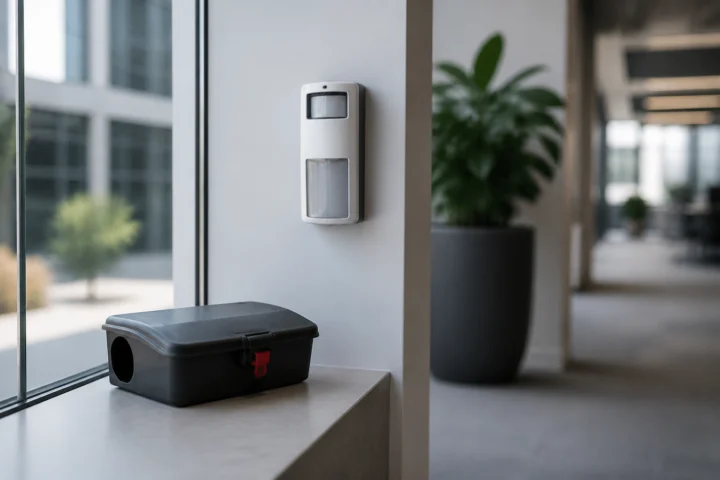
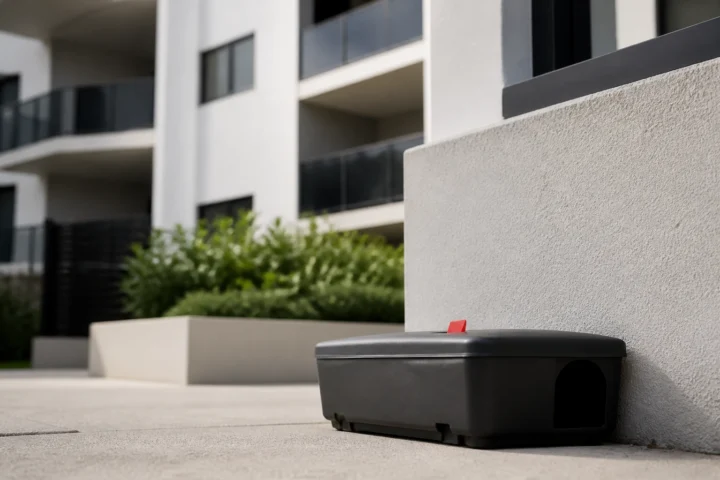
Record for each station: ID, zone, device type, secured and tamper-resistant status, anchoring, bait type and the rationale for its position. Unanchored or unsecured stations are a liability. Station integrity is therefore both a compliance and a welfare control. The same lesson DIY termite baiting vs professional service teaches: kits that are not mapped or maintained are not a program.
Revisit locations as trend data arrives. Rising bait take at a station on a known route justifies extra devices; a station that never registers activity should be re-justified or relocated, with the reasoning noted.
Version-control plan and register with a date, so you can show what the site looked like in March versus now.
Entry-Point Proofing: Documenting What You Closed and When
Proofing is maintenance, not a one-off repair. Log every entry point with its location, date identified, sealing method, completion date and before-and-after photos.
Prioritise openings that lead into dry store, packaging storage, ingredients or finished goods areas. Then dock and plant-room penetrations. General building fabric comes last.
Contractors create openings. Electricians, plumbers and refrigeration technicians must log every penetration they make so the register stays complete. The same discipline around documented evidence applies to other site obligations, as our guide to end of lease pest control in Canberra sets out.
Set a re-inspection interval. Seals fail, doors fall out of alignment and racking gets moved against walls. Record the check even when nothing has changed.
Proofing supports monitoring; it does not replace it. The EU rationale quoted in the APVMA consultation states effective rodent control “cannot rely on those non-chemical controls or prevention methods only”. Reverse the logic and the conclusion holds: prevention alone is not a program.
Monitoring Data: What to Record at Every Station, Every Visit
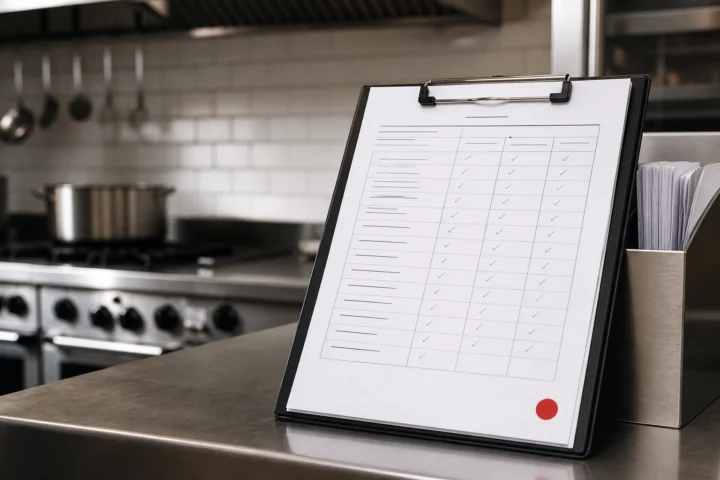
Consistent logging separates a program from a series of visits. Per station, per visit, record: date, technician, station ID, bait type, quantity placed, quantity consumed or remaining, station condition, evidence of activity, and any corrective action taken.
Bait take is your earliest usable signal, consumption registers before carcasses appear (see the timing lag established above).
Consistency beats sophistication: the same fields, the same station IDs and the same zone codes on every visit. Data that changes format monthly cannot be trended, and cannot be defended. Set the baseline on what actually happens on the first technician visit and hold that format from then on.
Keep records attributable and retrievable: dated, signed or digitally logged by the attending technician, and stored where a certifier or insurer can access them without a site escort. Log staff sightings and complaints as formal input, with reporter, location and date, so informal reports become evidence rather than corridor conversation.
Bait Take and Station Condition Logs: Turning Numbers into a Trend
Convert the completed visit log into two trends. As a recommended practice, track the proportion of numbered stations recording bait take in a given period, visit to visit this proportion shows direction better than a raw total. Consider setting internal thresholds: for example, bait take at a single station across multiple consecutive visits, or a rising proportion of active stations in a zone, could trigger a defined investigation.
Track station condition separately. Damaged, blocked, water-affected or missing stations distort take data and are findings in their own right.
Annotate confounders: layout changes, waste contract changes, seasonal shifts. A spike with an explanation is a trend; one without is a question. The same discipline applies when how to read a standardised termite inspection report, where each line must reconcile to the site.
Keep raw logs alongside the summary; summaries get read, raw records get checked.
Trend Reporting: The Document Auditors and Insurers Actually Read
Raw logs stay on file; what a certifier or insurer reads is the summary built from them. Lead with the trend: a site activity map, a station-by-station trend chart for the period, exceptions, corrective actions closed since the last report, and recommendations for the next period.
A stack of service dockets shows effort; a chart shows control. It answers what a certifier or insurer is likely to ask: is activity being reduced and detected early, not how many rodents were removed.
Address the timing lag openly: present bait take as the leading indicator and note where carcass evidence appears later.
Add an exception report for stations with sustained take, repeated interference or damage, blocked access, or those not inspected, with reason and follow-up date. The corrective action log needs an owner and closed date per item; an action open three months damages credibility more than the finding itself.
Note the limit: this demonstrates an evidence-ready program, not a published audit standard. Confirm required records with your certifier or insurer directly.
Choosing Pest Control for Commercial Sites: What to Confirm Before You Sign
Put each shortlisted provider through the evidence test itself before you sign.
- Ask to see a sample site plan with numbered stations and zone codes. A provider that cannot produce one is selling visits, not a program.
- Ask how monitoring data is captured, whether reports come in a format a third party can follow without a walkthrough, and whether raw records can be supplied on request.
- Ask who attends, what licence they hold, and how continuity is covered when the regular technician is away, because inconsistent staffing breaks the trend line.
- Ask how the bait side is handled: whether devices are secured, tamper-resistant and anchored, how bait amounts are logged, and how non-target risk is managed.
Check credentials and coverage against your site footprint. BugsPatrol is a locally owned and operated Canberra business based in Throsby, servicing the ACT and surrounding NSW. It provides commercial and residential pest management, including rodent, termite, spider, bed bug and fly treatments, with year-round protection plans carrying 12-month warranties, easy monthly payments, no upfront fees and rolling cover, so protection does not lapse between reporting periods.
Verify the APVMA’s current position on anticoagulant rodenticides yourself rather than relying on any provider’s summary, and confirm your food safety obligations with your regulator or certifier.
Building a Rodent Program You Can Defend
Once a provider passes those checks, the program must stand on its own. Start with the plan, not the bait: number every station, map every zone, and record the written reason each device sits where it does. Every visit then logs against the same fields, so reports present the trend rather than a total.
Treat proofing as dated maintenance. Each seal carries a location, method, completion date, photo and register entry, with a scheduled re-check, because seals fail and racking moves.
Keep a corrective action log listing an owner and a closed date for every item, and hand over records a certifier or insurer can read without a guided tour.
Finally, confirm your evidence requirements directly with your food safety certifier and insurer, and check the current APVMA position on anticoagulant rodenticides before relying on any summary of it.
Conclusion
Audit-ready rodent control comes down to evidence, not trap totals. A numbered, mapped site plan gives every device a written reason to exist. Consistent visit logs turn bait take, station condition and proofing work into a defensible trend. Treat proofing as dated maintenance and keep corrective actions owned and closed. Together, these records show a multi-method program regulators and insurers can follow without a guided tour.
Your next step is to arrange a documented site assessment with the provider featured here. Then confirm your evidence requirements with your certifier or insurer and check the APVMA position yourself. Build the program you can defend, visit by visit, record by record.