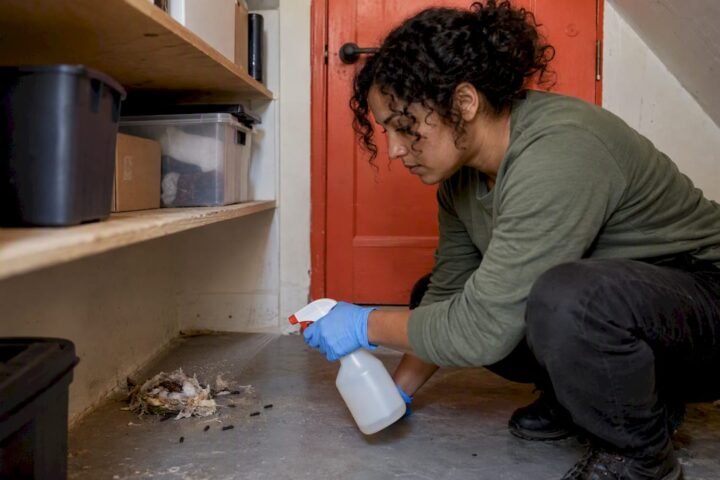
Integrated pest management (IPM) for homes means dealing with pests by working out why they are there, then stopping them with the least risky method that works. You monitor, fix the conditions that attract pests, use barriers and traps, and treat with targeted products only when the evidence says you need to. It is the eco-friendly approach most people are searching for, and it works well in a Canberra house, townhouse or unit.
The NSW EPA describes IPM as an environmentally sensitive way of managing pests built on forward planning, regular monitoring and timely decisions. General pesticide spraying is the last resort, not the first move. This guide shows what that looks like at home, with examples, a routine you can follow, and the points where a licensed technician saves you time and risk.
TL;DR
- IPM is a decision process, not a product: identify the pest, find out what is feeding or sheltering it, then choose the least risky control that works.
- Most of the work is prevention: seal entry points, remove food and water, cut back vegetation and keep clutter down.
- Chemicals are used in a targeted way and only when other measures are not enough, with children and pets kept away from treated areas.
- Termites, rodents in walls, wasp nests and large cockroach infestations are jobs for a licensed professional, not a weekend project.
- A written inspection and a maintenance plan keep the monitoring going after the first fix.
Table of Contents
- What integrated pest management means in a home
- The five types of IPM control
- Integrated pest management examples around the house
- A step-by-step IPM plan for your home
- Protecting children, pets and the environment
- When DIY is not enough
- Our perspective: what IPM looks like when we turn up
- Ongoing protection for Canberra homes
- Common mistakes to avoid
- A simple seasonal checklist
- FAQ
- Sources
What integrated pest management means in a home
People often assume IPM is a gentler name for spraying. It is closer to the opposite. Spraying treats a symptom on a schedule. IPM treats the cause, and only reaches for a product once it has a reason.
The approach rests on a few ideas that appear in official guidance across Australia:
- Monitor first. You look for signs of activity before acting, rather than treating on a calendar.
- Identify the pest. The right control depends on the right ID. The Victorian Department of Health points out that what seems like rats in a roof could be possums, and the two need very different responses.
- Set a threshold. The NSW EPA notes that seeing a single pest does not automatically mean chemical control is needed. One spider on a porch ceiling is not an infestation. A trail of cockroaches at night is a different matter.
- Use the least risky control first. Non-chemical measures come before pesticides, and when a pesticide is needed, it should be the least toxic option in the smallest amount that does the job.
- Check the result. You monitor afterward to confirm the problem is gone and has not moved elsewhere.
That last step is what separates a plan from a one-off treatment. If you do not check, you do not know whether the fix worked.
The five types of IPM control
The NSW EPA groups IPM controls into cultural, physical, biological, chemical and regulatory practices. For a home, the first four matter most. Regulatory controls, such as quarantine rules, mostly apply to agriculture and biosecurity, though they matter in one home case: fire ants, which are a regulated pest.
| Control type | What it means at home | Example |
|---|---|---|
| Cultural | Changing habits and conditions | Storing food in sealed containers, taking out rubbish regularly, reducing clutter |
| Physical | Blocking or removing the pest | Sealing gaps, door sweeps, traps, gutter guards, bird deterrents |
| Biological | Using natural enemies or disruption | Encouraging beneficial insects in the garden, pheromone-based products that disrupt breeding |
| Chemical | Targeted, limited product use | Baits and gels placed in cracks, spot treatments, barrier treatments applied by a licensed technician |
The EPA lists examples that fit this table: reducing clutter and keeping good hygiene, using barriers or traps, and using targeted controls such as pheromones to disrupt reproduction.
Integrated pest management examples around the house
Theory is easy. Here is how it plays out for the pests Canberra households actually meet.
Cockroaches in the kitchen and laundry
Cockroaches follow food, water and shelter. The Better Health Channel advice on indoor pests includes removing water sources for cockroaches, which is why a dripping tap or a damp cupboard under the sink matters as much as the crumbs on the floor.
An IPM approach looks like this:
- Identify the species. German cockroaches live indoors and breed fast. Larger American cockroaches wander in from drains, roof voids and gardens. Our guide to American cockroaches in Australia and our notes on baby cockroaches explain how to tell them apart before you treat.
- Remove the attractants: fix leaks, wipe benches at night, clear out cardboard and clutter. We cover this in what attracts cockroaches.
- Inspect the usual hiding spots with a torch: behind the fridge, inside the dishwasher cavity, under sinks. See our checklist on cockroach hiding places.
- Use targeted treatment only where activity is confirmed. For heavy German cockroach infestations, a professional program is usually faster and more reliable, as in our German cockroach control process.
- Follow up. Check again after a couple of weeks.
Further prevention tips are in our cockroach prevention guide for Canberra.
Rats and mice
Rodents are a classic case for IPM because poison alone does not fix the reason they came in. The ACT Government recommends blocking entry points with concrete, hard-setting filler, steel wool or heavy-gauge sheet metal, and trimming grass, trees, bushes and creepers around the home to reduce hiding and nesting spots.
A practical rodent plan:
- Walk the outside of the house and look for gaps around pipes, vents, garage doors and where the roof meets the wall. A mouse can squeeze through a very small gap, so any hole you can poke a pencil into deserves attention.
- Seal with materials rodents cannot chew through, as the ACT guidance describes. Foam alone does not stop them.
- Remove food: pet food left out overnight, bird seed, fallen fruit and open compost.
- Trap indoors where you find droppings or gnaw marks, and check traps daily.
- Confirm the pest first. Scratching in the roof at dusk may be possums.
Canberra’s cold winters push rodents toward warm roof voids and wall cavities, which is why prevention matters most before the cold sets in. Our rodent prevention tips and rodent proofing guide go into the detail, and if you already have activity in the walls or ceiling, our rodent removal service handles both the removal and the proofing.
Fleas and flies
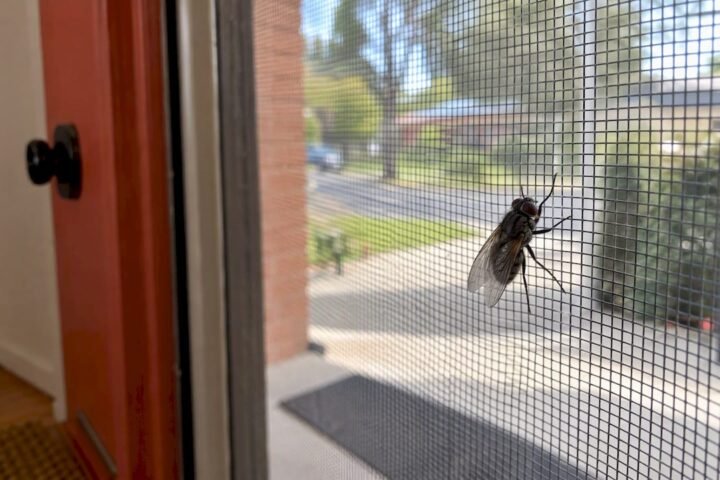
The Better Health Channel also lists fleas and flies among the indoor pests a home IPM plan can address. For fleas, regularly washing pets’ bedding is a core step, along with vacuuming and treating the pet through your vet. For flies, the fix is usually sanitation: covered bins, cleaned drains and no exposed food. Chemical sprays come in only when these steps are not enough.
Ants, spiders and wasps
These outdoor-to-indoor pests follow the same logic. Ants come for food and moisture, so you trace the trail, remove the attractant and bait the nest rather than spraying the line of ants you can see. Spiders are usually beneficial predators in low numbers, and a threshold approach means you clear webs and reduce the insects they feed on before you treat. Wasp nests are different: they are a safety issue, and removal is best left to a trained technician with the right equipment.
Birds, gutters and solar panels
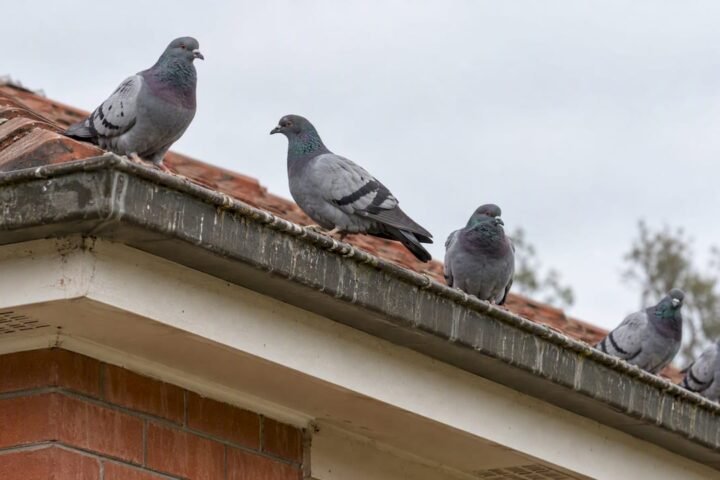
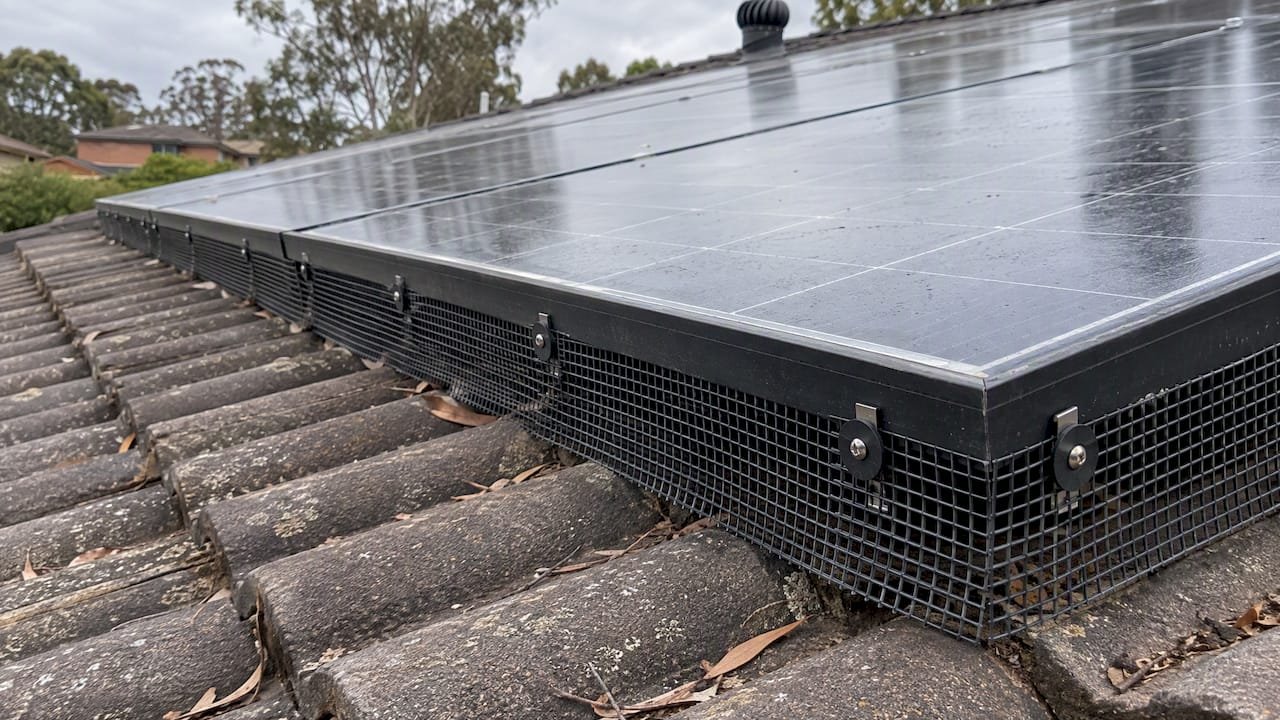
Pest management is not only about insects. Pigeons nesting under solar panels or on eaves create droppings, noise and damage. The IPM answer is physical: exclude them with mesh or deterrents so there is nothing to nest in. Leaf-filled gutters also hold water and shelter pests, so keeping them clear removes a breeding site. Both are physical controls that work without any pesticide. Details are on our bird control and gutter guard pages.
A step-by-step IPM plan for your home
Use this routine as a starting point. It takes an hour or two the first time and a short check each month after that.
Step 1: Inspect and identify
Walk through every room and around the outside with a torch. Note droppings, chewed packaging, shed skins, mud tubes on walls, damp patches and live insects. Photograph anything you cannot name. A clear photo helps a technician identify it quickly, and it stops you buying the wrong product.
Step 2: Fix the conditions
The SBS reports that blocking holes and entry points and eliminating food sources are the most critical steps for preventing household pest infestations in Australia, as covered in its guide to protecting your home from common pests. In practice that means:
- Sealing gaps around pipes, doors, vents and weep holes
- Fitting door sweeps and fly screens that actually close
- Storing pantry food in airtight containers
- Keeping pet food bowls empty overnight
- Fixing leaks and ventilating damp areas
- Trimming vegetation so it does not touch the walls or roof
- Clearing wood piles, boxes and clutter away from the house
A clean home is also a home where you see problems early. If you are cleaning with the same goal in mind, a low-toxicity routine helps. Canberra cleaners have written about non-toxic carpet cleaning, which is useful if you are vacuuming and cleaning floors to remove crumbs, pet hair and flea eggs without adding more chemicals to the house.
Step 3: Monitor
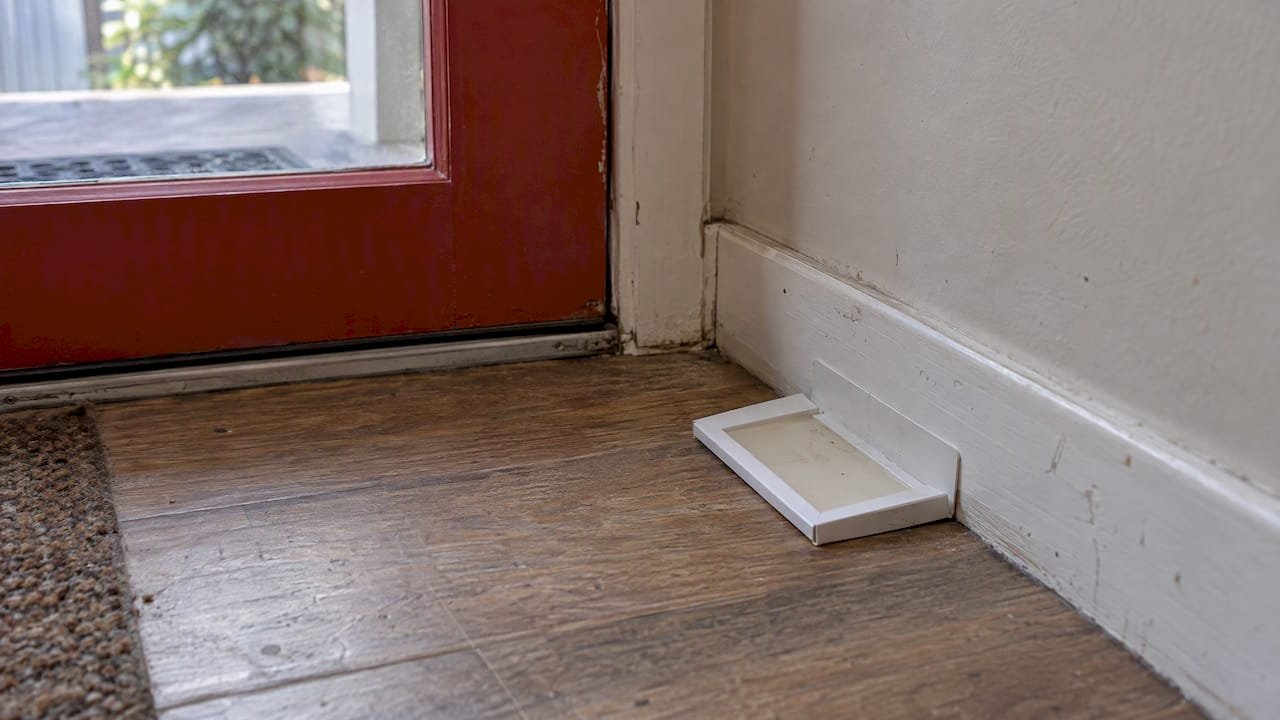
Place sticky monitoring traps along walls, under sinks and near the back door. Check them weekly and write down what you catch and where. This turns a feeling (“I think we have a few”) into a pattern you can act on. Monitoring is also how you apply the threshold idea: a couple of spiders is normal, a trap full of cockroaches is not.
Step 4: Choose the least risky control
Match the response to the finding:
- Occasional invader: exclusion and cleaning only.
- Small, confirmed activity: traps, baits in cracks and crevices, and targeted spot treatment.
- Established or recurring infestation: a professional inspection and treatment plan.
If you do use a pesticide, the Better Health Channel advice is clear: choose the least toxic option, use the least amount possible, follow the label, store products out of children’s reach and keep pets away from treated areas.
Step 5: Review
Recheck monitoring traps two to four weeks later. If activity has stopped, keep checking monthly. If it has not, the pest is either misidentified or something is still feeding it. Go back to Step 1.
Protecting children, pets and the environment
Eco-friendly pest management does not mean a treatment with no effect. It means the lowest risk that still solves the problem. A few habits make the biggest difference:
- Read the product label every time and follow the directions exactly. The label is a legal document, not a suggestion.
- Keep children and pets out of treated areas until the product has dried or the label says it is safe.
- Put baits in tamper-resistant stations or places pets cannot reach. Rodent baits in particular are a hazard to dogs, cats and wildlife.
- Avoid blanket spraying of gardens, which can harm bees and other beneficial insects.
- Do not mix products or decant them into drink bottles.
If a child or pet may have swallowed or touched a pesticide, call the Poisons Information Centre on 13 11 26 or see a doctor or vet straight away. Keep the product container handy so you can tell them what it was.
A licensed technician should be able to explain what product they will use, where it goes, and when the area is safe to use again. If they cannot, ask for a different approach.
When DIY is not enough
IPM is built for homeowners to start, but some pests move past the point where DIY is sensible.
- Termites. Damage hides inside walls and timber, and a visible mud tube may be the last sign, not the first. Regular professional inspection is the IPM method here, because monitoring is the whole game. Our termite control work includes thermal imaging, which helps find moisture and activity behind surfaces without cutting into them.
- Rodents in walls or roof voids. You need to find every entry point and remove the animals humanely and safely.
- Wasp and hornet nests. Stings are a real risk, especially for anyone with allergies.
- Persistent cockroaches or bed bugs. These spread through a building and rarely clear up with store-bought sprays alone.
- Anything in a rental you manage, a strata complex or a business. Records and repeat inspections matter.
For business properties, the approach scales up with documented monitoring and reporting. We explain it in IPM for ACT commercial properties.
Our perspective: what IPM looks like when we turn up
We have serviced more than 5,000 Canberra homes over more than ten years, and the pattern is consistent: the homes that stay pest-free are not the ones sprayed most often. They are the ones where somebody found out why the pests came in and fixed it.
When we inspect a property, we start with questions and a torch, not a spray bottle. We want to know where you have seen activity, what time of day, what has changed recently, and whether there are pets or children in the house. That shapes everything after. For termites we use thermal imaging as part of the inspection. For rodents we look at the building envelope before we put any bait down. For birds and gutters we use physical barriers because they work without chemicals.
When a treatment is the right call, we choose methods suited to families and pets and we guarantee the treatments for effectiveness. Our licensed and insured technicians explain what they are doing and what to expect afterward. We also respond fast, including same-day emergency service, because a wasp nest above the front door or rats in the ceiling cannot wait a week.
Our honest advice: do the cheap, boring prevention steps first. Seal, clean, trim, monitor. If that does not solve it, or if the pest is one of those listed above, call us before it gets worse.
— navin
Ongoing protection for Canberra homes
IPM only works if the monitoring continues. That is the reason we offer maintenance plans billed monthly, so inspection and treatment do not depend on you remembering to book.
Our current plans, as published on our subscriptions page:
| Plan | Price |
|---|---|
| Bronze General Pest | $29.98 per month |
| Bronze Termite | $29.98 per month |
| Silver Combined | $55.98 per month |
| Gold Complete | $79.98 per month |
You can compare what each plan covers on our subscriptions page. If you would rather start with a one-off visit, our general pest control service begins with an inspection, and our team can also help with spiders, wasps, bed bugs, flies and more through our main services page.
Not sure what you are dealing with? Send us a photo and describe where you saw it. We will tell you whether it is a job for a careful DIY fix or a technician.
Common mistakes to avoid
These are the errors we see most often in homes that call us after trying to fix things alone.
- Spraying before identifying. The wrong product may scatter cockroaches deeper into the walls or do nothing to a pest that is not what you think it is.
- Ignoring the entry point. Killing the mice in the kitchen while the gap beside the pipe stays open means new ones arrive next week.
- Overusing foggers and surface sprays. They spread product across surfaces where children and pets spend time, and often miss the hiding places where pests actually live.
- Stopping at one treatment. Pests that survive in hidden spots return. Follow-up checks are part of the process.
- Leaving food and water sources. A pantry moth or a cockroach population will rebuild if the supply remains.
- Waiting on termites. If you see signs of termites, do not disturb the area. Call a licensed inspector so the colony is not scattered.
A simple seasonal checklist
Canberra has hot summers, cold winters and a sharp seasonal swing, so pest pressure changes through the year. A rough calendar helps you place the work.
- Autumn: seal gaps before rodents look for winter shelter. Clean gutters of leaves.
- Winter: check roof voids and garages for signs of rodents. Keep firewood off the ground and away from walls.
- Spring: inspect for wasp nest starts under eaves and in sheds. Trim back plants that touch the house.
- Summer: watch for ants, flies and fleas as temperatures rise. Keep bins covered and pet bedding clean.
- Any time: book a termite inspection on a regular schedule. Termites do not take seasons off.
FAQ
What is integrated pest management in simple terms?
It is a way of managing pests by finding the cause, preventing it, and using the least risky control that works. You monitor first, use non-chemical measures such as sealing and cleaning, and use pesticides in a targeted way only when needed.
Is IPM the same as eco-friendly pest control?
They overlap, but they are not identical. IPM is the method: identify, monitor, prevent, then treat only if needed. Eco-friendly pest control is the result you want, which is less chemical use and lower risk to people, pets and the environment. A good IPM plan usually delivers both.
Can I use IPM at home without a professional?
For minor and occasional pests, yes. Sealing gaps, fixing leaks, storing food properly and trapping are all homeowner jobs. For termites, rodents in wall cavities, wasp nests and established cockroach or bed bug problems, a licensed technician is the safer and faster option.
Does IPM mean I will never need pesticides?
No. IPM aims to use them less and more precisely, not never. Official guidance treats general spraying as the last measure after other options have been considered. When a product is needed, it should be the least toxic option, used in the smallest amount that works and applied according to the label.
How often should my home be inspected?
There is no single schedule for every home, but regular monitoring is the heart of IPM. A monthly self-check of traps and entry points is a good habit, and a professional inspection on a recurring basis suits termite-prone properties. A maintenance plan can take care of the schedule for you.
Sources
- Integrated pest management, NSW EPA
- Pest control in the home, Better Health Channel
- Rats and mice, ACT Government
- How to protect your home from Australia’s common pests, SBS