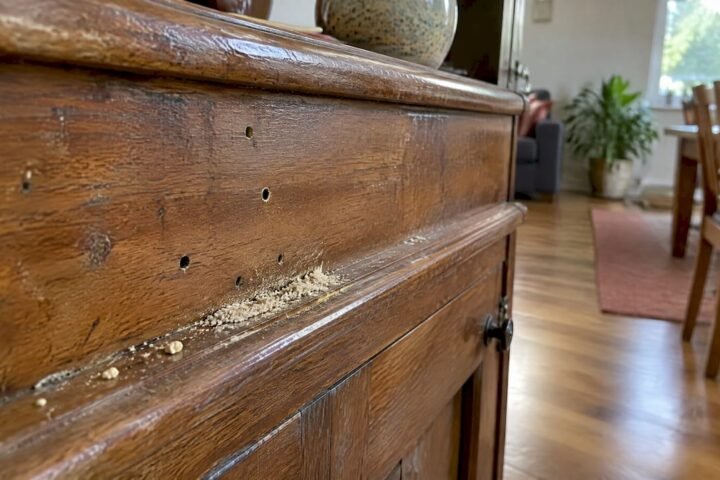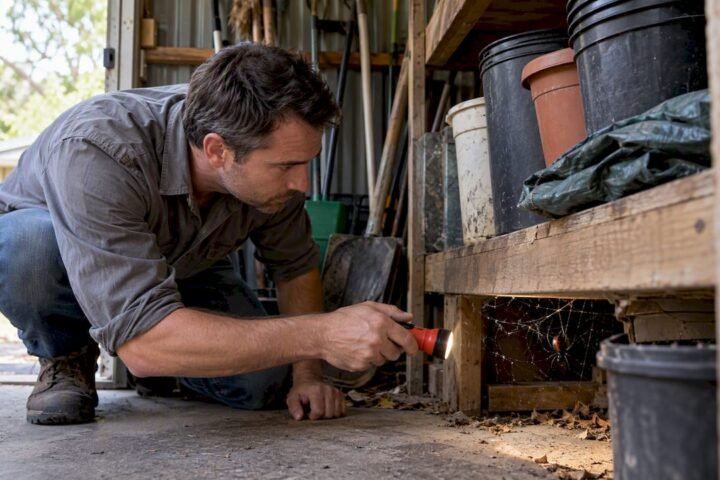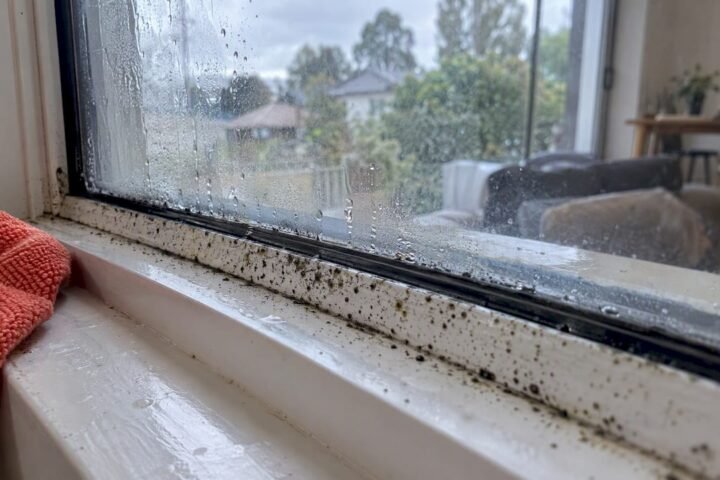
Eco-friendly pest control works, and it works best when it starts with an inspection, not a spray bottle. The approach that actually holds up is Integrated Pest Management, or IPM: a system built on prevention, monitoring, and physical controls first, with low-toxicity products used only when a real threshold is crossed. That’s not a marketing gloss. It’s the same framework the EPA outlines for anyone trying to control pests without dumping chemicals into a home or a food-prep kitchen.
Here’s what backs that verdict up:
- IPM is internationally recognized, not a niche idea. The Food and Agriculture Organization treats it as the standard ecosystem-based strategy for pest control worldwide.
- Low-toxicity products exist and perform well in the right conditions. Botanical oils, diatomaceous earth, and insect growth regulators (IGRs) are used to handle many common household pests without broad-spectrum chemicals.
- Physical controls do more heavy lifting than most people expect. Sealing entry points, fixing screens, and removing harborage often prevent an infestation before any product gets applied.
If you’re dealing with pests right now, the fastest useful step is a proper inspection. Walk the property for gaps, moisture, and food sources yourself, or book an eco-minded assessment with a licensed technician who can tell you whether the problem needs exclusion work, a targeted low-toxicity treatment, or something stronger.
Key Takeaways
Eco-friendly pest control succeeds when inspection and exclusion come first, low-toxicity products are used precisely, and follow-up monitoring closes the loop.
| Point | Details |
|---|---|
| Inspect before treating | Identify the pest and entry points first; this determines whether exclusion or treatment is the real fix. |
| Exclusion beats repeat spraying | Sealing gaps, fixing screens, and removing harborage prevents infestations rather than masking them. |
| Verify IPM and transparency | Confirm licensing, ask for MSDS and named products, and get any treatment plan in writing. |
| Know when to call a professional | Active termite colonies and heavy bed bug infestations usually need conventional methods beyond DIY. |
| Bugspatrol follows the same sequence | Licensed technicians use thermal imaging for termites, family-and-pet-safe options where suitable, and written guarantees across Canberra service areas. |
For kids and pets, the safest practice is simple: ask for the re-entry time on any product before treatment day, and keep them clear of the treated area until that window passes.
Table of Contents
- What Counts as Eco-Friendly Pest Control?
- Common Eco-Friendly Methods and Low-Toxicity Products
- Which Pests Does Eco-Friendly Pest Control Actually Handle?
- What Happens During an Eco-Friendly Pest Treatment?
- How Do You Choose a Genuinely Eco-Friendly Provider?
- Why Bugspatrol Is a Practical Eco-Minded Choice
- Frequently Asked Questions
- Sources
What Counts as Eco-Friendly Pest Control?
Eco-friendly pest control means an IPM-based approach: prevention and monitoring come first; physical and biological controls come second; and any product used is chosen for being the least toxic option that actually solves the problem. It is not the same as “all-natural” or “chemical-free” marketing language, and that distinction matters because those terms have no enforced definition.
IPM breaks down into a sequence the EPA formalizes as four steps: set an action threshold (how much activity justifies treatment), monitor and identify the pest correctly, apply prevention measures, and only then select a control method, starting with the least risky. A licensed technician who skips straight to spraying without inspecting first isn’t practicing IPM, whatever the label on the truck says.
A related term worth knowing is sustainable pest management (SPM), which takes IPM and widens the lens. Where IPM focuses on effective pest control with minimal pesticide use, SPM factors in broader outcomes: human health, biodiversity, water and soil quality, and community equity, according to California’s state roadmap for the practice. For a homeowner or business owner, the practical difference is smaller than it sounds. Both frameworks push toward the same behavior: inspect before you treat, treat the smallest area necessary, and document what was used.
Real transparency looks like this:
- The provider names actual products, not vague claims of “natural” or “green.”
- Material safety data sheets (MSDS) are available on request, not treated as proprietary.
- Technicians hold current licensing you can verify.
- The service comes with a written guarantee or coverage period, not a verbal promise.
Pro Tip: Ask any provider to name the exact product they plan to use before they use it. If they can’t give you a product name and can only say “eco-friendly formula,” that’s a sign the claim is marketing, not method.
Common Eco-Friendly Methods and Low-Toxicity Products
Most effective eco-friendly pest control relies on a handful of proven categories, and each one has a job it does well and a limit worth knowing about.
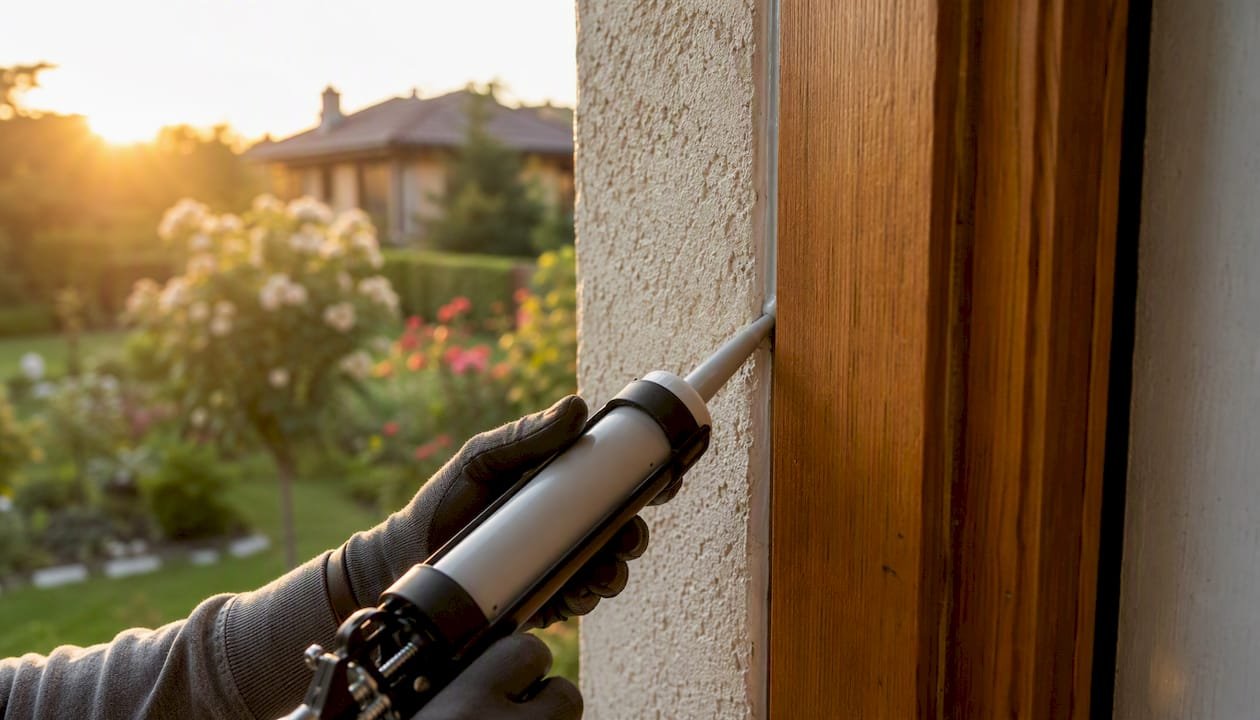
Mechanical and physical controls come first in almost every serious IPM plan. Sealing gaps around pipes and foundations, fitting door sweeps, screening vents, and setting traps all stop pests without a single chemical application. This is the least glamorous part of the work and also the part that prevents the most repeat call-outs.
Biological and cultural measures work with the environment instead of against it. Encouraging natural predators, modifying habitat (removing standing water, trimming vegetation off structures), and improving sanitation all reduce pest pressure over time. Biological control shows real promise, but it typically needs technical skill and local adaptation to work well, and it rarely replaces targeted treatment for an infestation that’s already established, according to a recent review of biological control methods.
Low-toxicity products fill the gap when physical and biological measures aren’t enough on their own:
- Botanical oils (like clove, peppermint, or rosemary derivatives) disrupt insect nervous systems on contact but break down quickly in sunlight and heat.
- Diatomaceous earth dehydrates soft-bodied insects mechanically, works well in dry, sheltered spots, and loses effectiveness fast once it gets wet.
- Insect growth regulators (IGRs) interrupt the reproductive cycle rather than killing on contact, which makes them slower but very effective for long-term population control.
- Pheromone mating disruption confuses pests into failed mating, a method more common in commercial and agricultural settings than household use.
Because plant-based actives degrade faster than synthetic residuals, green pest control lines depend more heavily on inspection accuracy, exclusion work, and scheduled follow-ups to hold results over time. That’s a real trade-off, not a flaw. It just means a botanical treatment plan needs a technician who shows up on schedule, not a one-time spray and a goodbye.
Always read label instructions and respect re-entry times listed on the product, even for low-toxicity formulas. “Eco-friendly” is not the same as “no precautions needed.”
Which Pests Does Eco-Friendly Pest Control Actually Handle?
Reputable eco-minded providers cover most of the pests homeowners and business owners deal with day to day: ants, cockroaches, spiders, wasps, fleas, general perimeter protection, and rodent monitoring. Termite and bed bug situations usually need a closer look before anyone commits to a purely low-toxicity plan.
Typical service scope includes:
- Ants and cockroaches, treated with targeted baiting, IGRs, and exclusion at entry points rather than broad-spectrum spraying.
- Wasps and spiders, handled through nest removal and perimeter treatments timed to avoid peak activity.
- Fleas, managed with a combination of yard treatment, indoor vacuuming protocols, and targeted low-toxicity products.
- Rodents, addressed primarily through exclusion, trapping, and habitat removal rather than chemical bait stations near kids or pets.
- General pest monitoring, including scheduled inspections that catch problems like termite activity or bed bugs early.
Full service also usually includes an initial inspection, a written treatment plan, exclusion work where structural gaps exist, and a maintenance schedule with follow-up visits built in.
Some infestations genuinely call for conventional methods, and a provider that only ever recommends “natural” solutions regardless of severity should raise a flag. Active termite colonies, for instance, often require targeted termiticide barriers, because botanical products simply don’t have the residual strength to stop a colony that’s already inside a wall frame. Heavy bed bug infestations frequently need a combination of heat treatment and residual chemical application, since bed bugs tolerate many botanical actives far better than softer-bodied pests do. A genuinely eco-minded provider will tell you plainly when a situation has moved past what low-toxicity methods can fix, rather than stretching a green product line past its actual capability.
What Happens During an Eco-Friendly Pest Treatment?
Professional eco-friendly pest control follows a repeatable sequence: assess, implement, monitor. Knowing the steps ahead of time makes it much easier to tell a genuine IPM provider from one that’s just using the label.
- Inspection and identification. A technician walks the property, identifies the pest species correctly (species-specific ID actually changes the treatment plan), and notes entry points, moisture sources, and harborage.
- Setting an action threshold. Not every pest sighting justifies treatment. Part of the EPA’s IPM framework is deciding how much activity is tolerable before intervention is warranted.
- Targeted implementation. Treatment focuses on problem areas rather than blanket application across the whole property, which limits both cost and chemical exposure.
- Scheduled monitoring. Follow-up visits confirm the treatment held and catch new activity before it becomes a bigger problem.
Timelines vary by pest and product, but botanical treatment lines commonly run on a quarterly follow-up schedule, since their active ingredients break down faster than synthetic residuals. Warranty periods for general pest control commonly run for a year or so, with the specifics depending on the pest and the provider’s written terms.
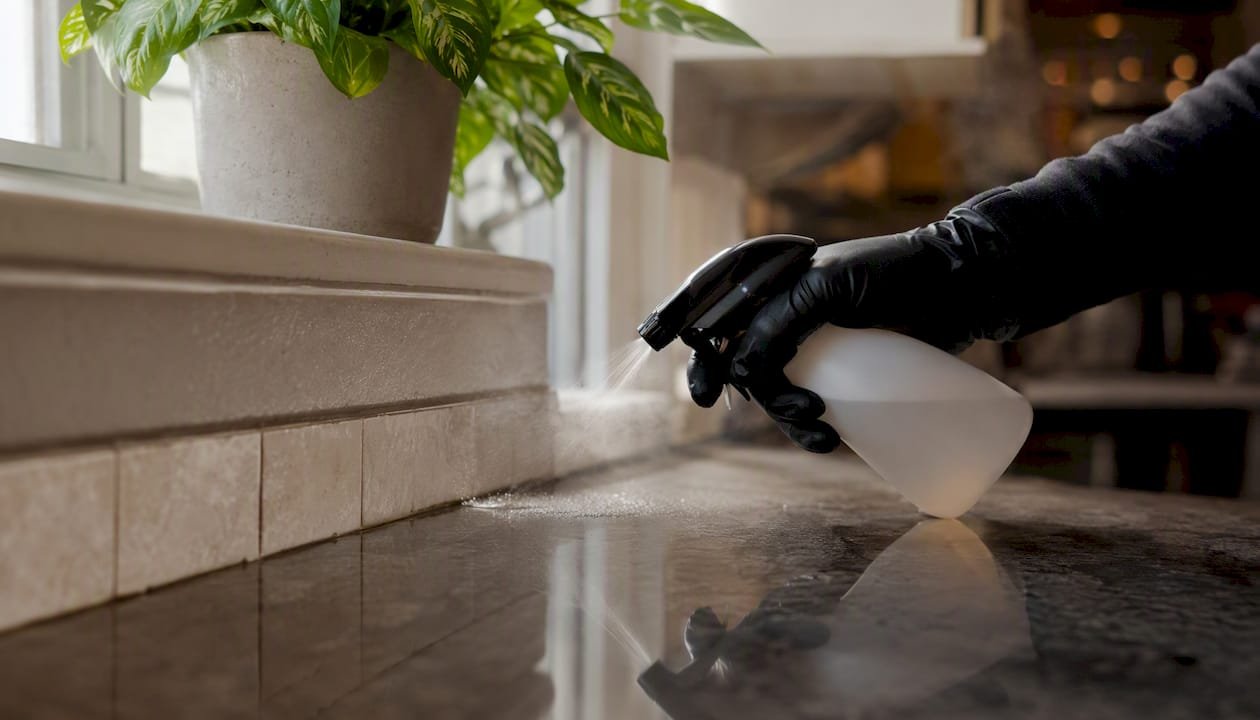
Safety expectations are worth spelling out plainly, because “kids and pets friendly” gets used loosely in this industry. In practice, it should mean: the product has a published MSDS available on request, the label specifies a re-entry time (often just a couple of hours for low-toxicity formulas, versus longer for stronger products), and the technician tells you directly when it’s safe to let children or animals back into a treated area. Public-health guidance in most states reinforces that pest management should maintain safe, sanitary conditions without creating new hazards in the process, which is exactly the balance a low re-entry-time product is designed to hit.
How Do You Choose a Genuinely Eco-Friendly Provider?
The fastest way to separate a real IPM provider from a greenwashed one is to ask for specifics: product names, a written plan, and proof of licensing. Vague reassurance is the tell.
Run through this checklist before booking:
- Confirm current licensing and insurance for the technician and the company.
- Ask whether they follow a documented IPM policy, not just a generic “eco” tagline.
- Request product transparency: actual product names and MSDS availability.
- Get a written guarantee covering a specific period, not a verbal assurance.
- Check for membership or accreditation with a recognized pest management body.
When you’re on the phone or standing in your kitchen during the inspection, ask these questions directly:
- What specific products or methods will you use for this pest, and why?
- What’s your follow-up policy if the problem isn’t resolved after the first visit?
- What’s the re-entry time for the products you’re applying today?
- Under what conditions would you recommend a stronger, non-eco treatment instead?
Watch for red flags that suggest marketing over method: a provider who talks about “natural solutions” but won’t name a single product, no written treatment plan at all, pressure to prepay for an expensive product line before an inspection has even happened, or a flat refusal to do exclusion work because “spraying is faster.” A comparison of DIY versus professional pest control makes the same point from a different angle: inspection and exclusion consistently outperform one-off treatments, whether you’re doing it yourself or hiring it out, and any provider skipping that step is cutting a corner that matters.
Why Bugspatrol Is a Practical Eco-Minded Choice
Bugspatrol has over 10 years of experience across Canberra, running licensed treatments built around the same IPM sequence outlined above: assess, implement, monitor. That track record matters more than a green logo on a van.
The approach centers on a few concrete practices rather than vague promises:
- Licensed technicians handle every job, with detection tools like thermal imaging used for termite inspections to confirm activity before any treatment decision gets made.
- Family and pet-safe product lines get used wherever the pest and severity allow it, with stronger conventional treatments reserved for cases (like active termite colonies) that genuinely need them.
- Written guarantees back the work, so a follow-up visit isn’t a negotiation if activity returns.
- Full-service scope covers general pest control, termite inspections and barriers, rodent control, ant and cockroach treatment, wasp removal, and bird and gutter proofing across residential and commercial properties.
Reliable pest control and environmental responsibility aren’t opposing goals. The technicians who inspect properly and seal the right gaps end up using less product overall, not more, because they’re not treating symptoms over and over. That’s the whole logic behind treating pest control as a genuinely professional service rather than a recurring spray subscription.
Booking works the same way for any of the service areas Bugspatrol covers: an inspection first, a written recommendation second, and treatment only once you know exactly what’s being used and why.
A Practical Take on Eco-Friendly Pest Control
Most of the skepticism around eco-friendly pest control comes from watching “green” get used as a synonym for “won’t actually work.” That reputation isn’t entirely undeserved. Plenty of over-the-counter natural sprays fade in a week and leave the same ant trail marching across the same counter. But the failure there isn’t the concept of low-toxicity treatment. It’s skipping the inspection and exclusion work that makes any treatment, natural or synthetic, hold up over time.
The properties that stay pest-free longest aren’t the ones sprayed most aggressively. They’re the ones where someone found and sealed the gap under the laundry door, cleared the mulch pile against the foundation, and then applied a targeted, appropriately chosen product to the spot that actually needed it. IPM isn’t a compromise between “effective” and “safe.” Done properly, it’s usually the more effective method, because it treats the actual cause instead of masking the symptom for a few weeks.
Where I’d push back on conventional wisdom: don’t assume every situation deserves a low-toxicity-only approach just because that’s the more comfortable answer. An active termite colony or a serious bed bug infestation calls for a treatment strength that matches the threat, and a good provider says so plainly instead of stretching a botanical line past what it can do. Bugspatrol’s stance reflects that balance: recommend the least-toxic effective option, be upfront about MSDS and re-entry details, and never dress up a stronger treatment as something it isn’t.
Book an Eco-Minded Inspection With Bugspatrol
Skip the guesswork of comparing spray bottles and DIY forum threads. Bugspatrol’s licensed technicians run a full inspection first, using tools like thermal imaging for termite detection, then hand you a written plan that names the exact products involved, states re-entry times, and spells out the warranty period before any treatment starts.
Family-and-pet-safe options get used wherever the pest and severity allow it, and the plan tells you plainly if a stronger treatment is genuinely needed instead of quietly substituting one. Every job across Canberra comes with clear terms in writing, not a verbal promise you have to remember months later.
Ready to find out what’s actually going on at your property? Book a general pest control inspection and get a specific, written recommendation before anything gets applied.
Frequently Asked Questions
Is eco-friendly pest control as effective as conventional treatment?
For most common household pests, ants, cockroaches, fleas, and general perimeter protection, an IPM-based approach performs just as well as conventional treatment, provided inspection and exclusion happen first. Severe infestations like active termite colonies typically still need stronger, targeted products.
Are eco-friendly pest control products actually safe for kids and pets?
Low-toxicity products still carry label instructions and re-entry times, so “safe” depends on following those guidelines, not skipping them because the product is labeled natural. Always confirm the specific re-entry window with your technician.
How often does eco-friendly pest control need to be reapplied?
Botanical and low-toxicity treatments generally need more frequent follow-up than synthetic residuals, often on a quarterly schedule, because plant-based actives degrade faster in heat and sunlight.
What’s the difference between IPM and sustainable pest management?
IPM focuses on minimizing pesticide use through prevention, monitoring, and targeted control. Sustainable pest management (SPM) builds on that same foundation while adding wider goals like biodiversity, water quality, and community health.
When should I skip DIY and call a professional?
Call a professional when you see signs of structural pests like termites, a rodent infestation beyond a trap or two, any sign of bed bugs, or when DIY exclusion and low-toxicity treatments haven’t resolved the problem after a reasonable trial period.
Sources
- Integrated Pest Management (IPM) | Food and Agriculture Organization of the United Nations
- Integrated Pest Management (IPM) Principles | US EPA
- Accelerating Sustainable Pest Management: A Roadmap for California (CDPR/CalEPA/CDFA)
- All-Natural & Green Pest Control | Universal Pest
Recommended
- Bugs Patrol Canberra – Professional Pest Control Services
- Bugs Patrol Canberra – Professional Pest Control Services
- Bugs Patrol Canberra – Professional Pest Control Services
- Bugs Patrol Canberra – Professional Pest Control Services