Call a professional the moment you spot structural damage, live rodents inside walls, a termite swarm, or any bite or breathing reaction you can’t explain. Everything else on this page is detail. If you’re standing in your kitchen right now wondering whether tonight’s scratching noise counts, it probably does.
Here’s the fast-scan version. If you see any of these, stop reading and start dialing:
- Chewed timber or hollow-sounding wood → Call now
- Winged termite swarm near the foundation → Call now
- Rodents scratching or moving inside walls or ceiling → Call now
- Bed bugs on mattress seams or bites appearing overnight → Book inspection
- A wasp or hornet nest near a doorway or play area → Contain area, call now
- Bite marks, rashes, or breathing symptoms with no clear cause → Call now
- Heavy droppings, grease trails, or urine odor along baseboards → Book inspection
- A nocturnal pest, like a rat or roach, seen moving in daylight → Call now
An Integrated Pest Management approach, which pairs inspection with targeted treatment rather than blanket spraying, is the standard most licensed technicians now follow, including the crews at BugsPatrol Pest Management. The reasoning behind each of these triggers, and what separates a nuisance pest from a genuine emergency, is worth ten minutes of your time.
Key Takeaways
Calling a professional the moment you spot structural damage, live rodents in walls, a termite swarm, or unexplained bites prevents a small problem from becoming an expensive one.
| Point | Details |
|---|---|
| Structural damage | Chewed timber or hollow-sounding wood means termites; book an inspection immediately. |
| Rodents inside walls | Scratching noises or droppings indoors mean call now, not another trap purchase. |
| Two failed DIY attempts | If a second treatment hasn’t reduced activity, escalate to a professional inspection. |
| Nocturnal pest seen by day | A daylight sighting of a rat or roach signals an overcrowded nest; call now. |
| Book with confidence | BugsPatrol offers inspection-first service with thermal imaging and licensed technicians across its service area. |
Table of Contents
- When to call pest control for specific warning signs
- Which pests commonly require professional treatment?
- Is DIY pest control ever enough?
- What happens during a professional pest inspection?
- What should you do in a pest emergency?
- Why we recommend inspection-first pest control
- Get help fast when pest activity won’t wait
- Sources
When to call pest control for specific warning signs
Not every warning sign demands the same urgency. A single ant on the counter is background noise. A trail of thirty is a different story. Here’s how to read the signals your house is actually sending you.
Property damage
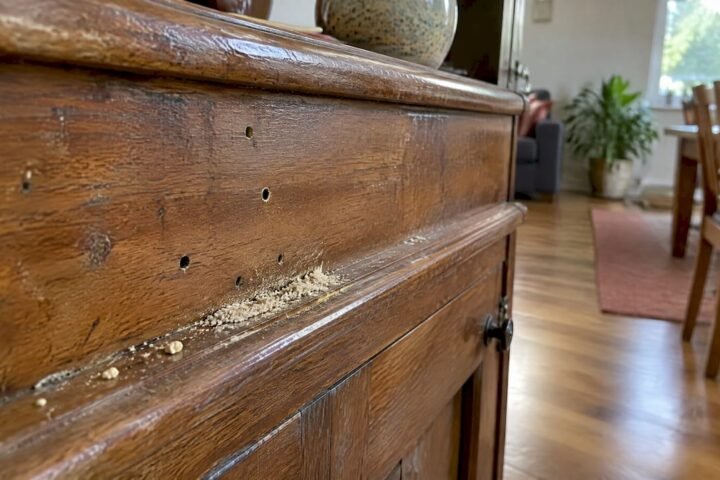
Chewed timber, crumbling skirting boards, or a wall stud that sounds hollow when you tap it are classic termite indicators, not general wear. Termites eat wood from the inside, so the damage is often invisible until the surface gives way under light pressure. If you press a screwdriver into a door frame and it sinks in easily, that’s not a maintenance issue you fix with wood filler.
Droppings and trails
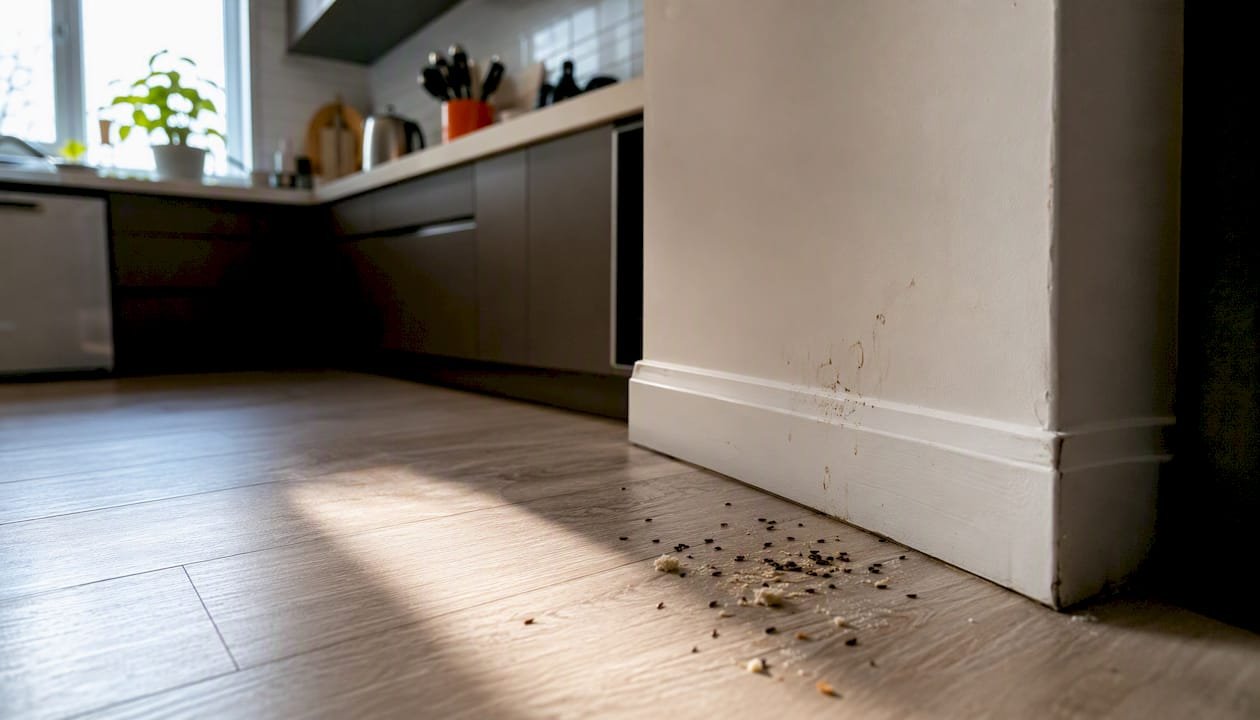
Mouse droppings look like small dark grains of rice, usually clustered near food sources or along walls. Cockroach activity leaves a different signature: smear marks along baseboards and a musty odor that gets stronger as the infestation grows. Neither of these gets better with a can of spray from the hardware store once the population has established itself.
Live sightings, especially repeated ones
Seeing one spider is nothing. Seeing the same species repeatedly, or spotting pests emerging from wall cavities, points to an active colony rather than a wandering individual. A practical checklist for recognizing infestation includes exactly this pattern: unusual noises, repeated sightings, and nesting materials appearing in more than one location.
Nests and mud tubes
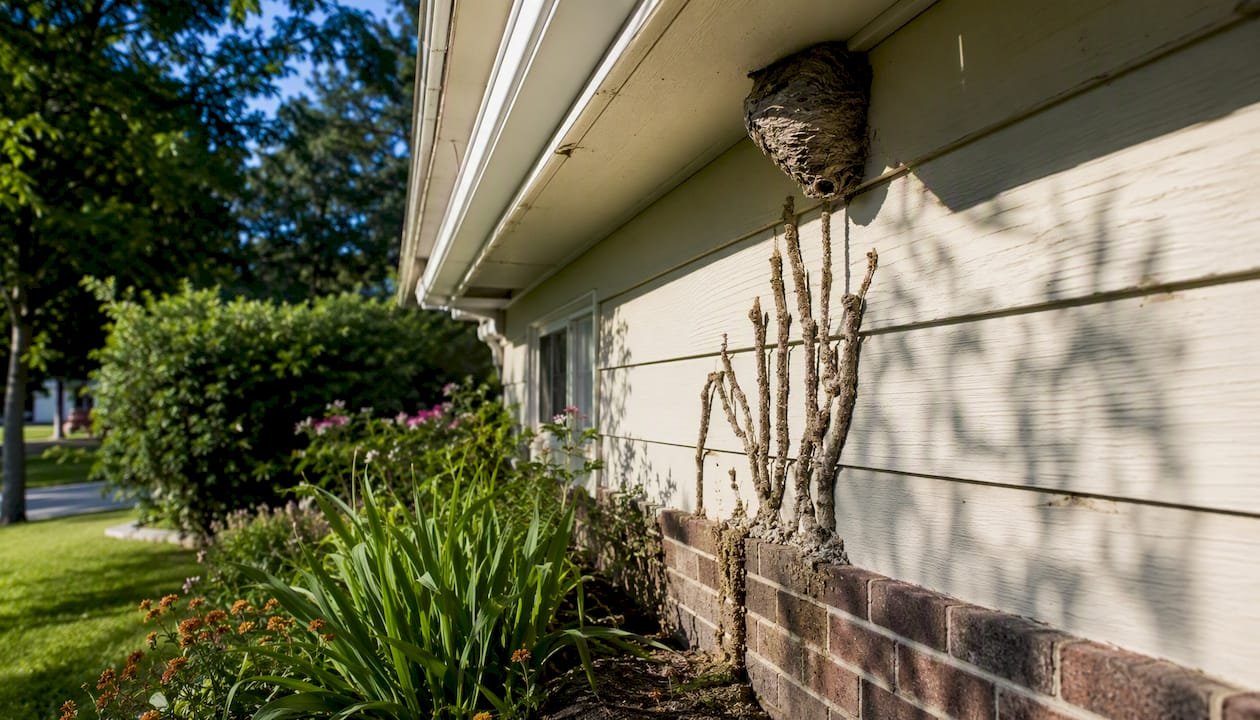
Wasp nests under eaves, mud tubes running up a foundation wall, or rodent nesting material stuffed into insulation are all structural evidence that a colony has moved in for good, not just passing through.
Bites, stings, and allergic reactions
Unexplained bites, especially in a pattern across the arms or legs after sleeping, are a strong bed bug indicator. A sting reaction that swells beyond the site itself, or any breathing difficulty, is a health emergency regardless of which insect caused it.
Nocturnal pests active during the day
Rats, mice, and cockroaches avoid daylight by instinct. When you see one moving around at noon, the nest is already overcrowded enough to push individuals into open foraging just to survive. That single sighting usually means the population behind the walls is larger than what you can see.
Pro Tip: If you’ve tried two DIY treatments on the same problem and the activity hasn’t dropped, stop there. That’s the point where a colony typically establishes itself faster than home products can knock it back, and a professional inspection becomes the cheaper option long term.
Which pests commonly require professional treatment?
Some pests are genuinely manageable with a trip to the hardware store. Others need equipment, licensing, or access that homeowners simply don’t have. Here’s where that line sits.
- Termites: structural risk that compounds over months before it’s visible; requires species identification and often a barrier system.
- Bed bugs: once established in furniture seams and wall voids, off-the-shelf sprays rarely reach every hiding spot.
- Rodents in walls or ceilings: nesting sites are inaccessible without wall or ceiling access, and untreated colonies chew wiring.
- Wasps and hornets: nest removal near a home carries real sting risk, particularly for anyone with an allergy.
- Established cockroach infestations: egg cases are resistant to surface sprays, so populations rebound within weeks.
- Wildlife in the roof cavity: possums, birds, or larger animals need humane exclusion work, not extermination.
Seek a professional for these pests rather than treating them as a weekend project.
| Pest type | Urgency level | Is DIY usually adequate? |
|---|---|---|
| Ants (small trail, kitchen) | Low | Usually adequate |
| Spiders (occasional sighting) | Low | Usually adequate |
| Cockroaches (established) | High | Rarely adequate |
| Rodents (in walls/ceiling) | High | Rarely adequate |
| Termites | High | Rarely adequate |
| Wasps/hornets (nest present) | High | Occasionally adequate |
| Bed bugs | High | Rarely adequate |
| Wildlife in roof | Medium to high | Rarely adequate |
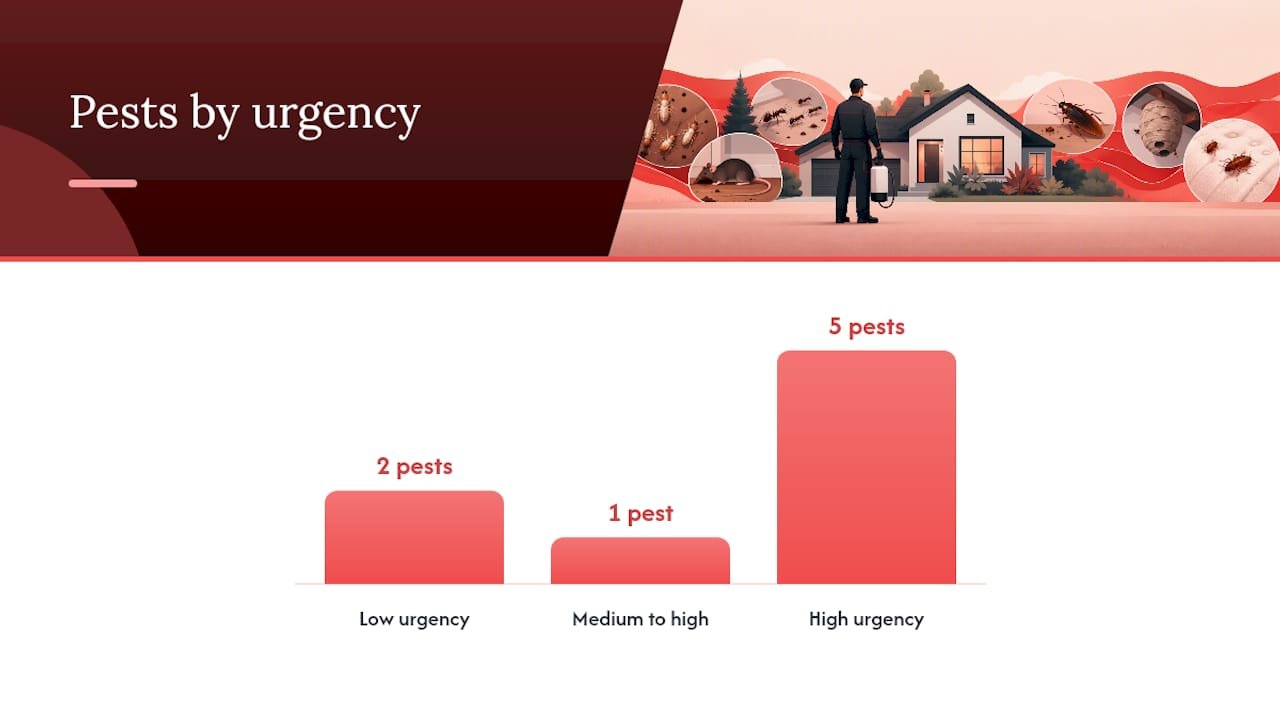
The pattern here is consistent: professional treatment is the better call whenever structural access, health risk, or a resistant breeding cycle is involved. DIY still has a place, but it’s a narrower one than most hardware store aisles suggest.
Is DIY pest control ever enough?
Sometimes, yes. A handful of ants near a spilled soda, a single spider in the garage, or one wasp that wandered in through an open window doesn’t require a technician. The problem is knowing which side of the line you’re on before you’ve spent two weekends and a shelf of products finding out the hard way.
Run through these questions honestly:
- Can you positively identify the pest? If you’re guessing between two species, the treatment you buy may be wrong for the one you actually have.
- Is the source accessible? A nest under a deck is manageable. A nest inside a wall cavity is not, without opening the wall.
- Is there a health or structural risk? Termites, rodents chewing wiring, and stinging insects near entryways all skip the DIY category by default.
- Have two DIY attempts already failed? If the second round of spray or bait hasn’t reduced activity, the infestation has likely outgrown consumer-grade products.
If you answer “no” to identification or access, or “yes” to risk or repeated failure, the next move is a scheduled inspection rather than a third trip to the store. That’s the inspection-first approach: get a technician to confirm species and nesting location before paying for a treatment that might target the wrong pest entirely, a step BugsPatrol’s home pest inspection service is built around.
| Service | Typical cost range | Typical timeline |
|---|---|---|
| Initial inspection | Often bundled free or low-cost with a treatment quote | Same day |
| One-time treatment | Varies by pest and property size | 1 to 3 hours on-site |
| Quarterly maintenance plan | Lower per-visit cost than reactive call-outs | Ongoing, 4 visits per year |
Timing matters too. Preventive treatment started in early spring, often March or April in many regions, targets colonies while they’re still small, and quarterly plans are a common industry standard rather than a sales upsell. Providers are also often 30 to 40% less busy in winter in some markets, which is when discounts and waived setup fees on annual contracts tend to show up.
Before signing anything, confirm three things: the technician is licensed and insured, the company follows an IPM-based approach rather than routine spray-only visits, and there’s a written retreatment guarantee if the pest returns within a set window.
Pro Tip: Ask specifically whether the quote includes a follow-up visit. A one-time treatment with no retreatment clause often costs less upfront but more over a year if the infestation wasn’t fully cleared the first time.
What happens during a professional pest inspection?
Knowing the process ahead of time makes the visit faster and the result more accurate. A typical home inspection follows a consistent sequence.
- Arrival and identification. The technician walks the property to identify the pest species and confirm the scale of activity.
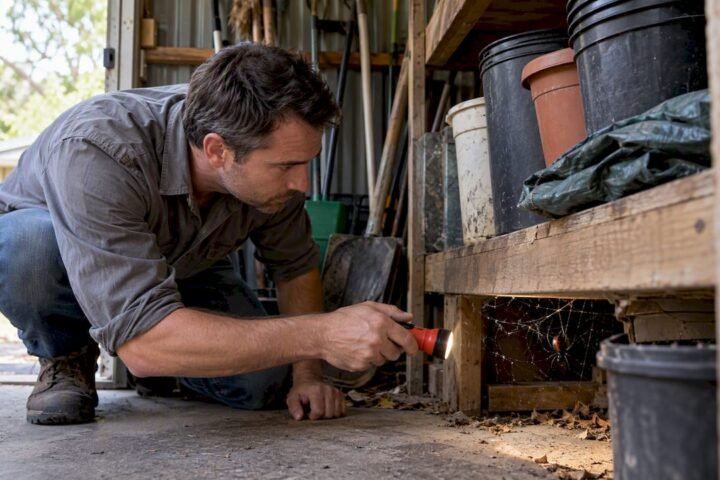
- Evidence collection. This includes droppings, nesting material, damage patterns, and, for termite checks, thermal imaging to spot moisture and activity behind walls without cutting into them.
- Written report. You should receive a documented summary of findings, not just a verbal recap, including where activity was found and how severe it is.
- Treatment options and timeline. The technician outlines choices, from spot treatment to a full barrier system, with a realistic timeframe for each.
- Quote and guarantee terms. A clear price and a written retreatment or warranty policy should come before any work begins.
You can speed the process along by clearing access to roof cavities, subfloors, and wall lines the technician needs to reach, keeping kids and pets out of the treatment area, and photographing any damage or live sightings beforehand. Those photos also help if you need to document the issue for a property manager or an insurance claim later, a point covered in more detail in guidance on pre-purchase pest inspections.
Pro Tip: Always request the written report, even if it isn’t offered automatically. It’s your record of what was found, what was treated, and what’s covered if the pest resurfaces within the guarantee period.
A maintenance plan that follows an inspection typically includes quarterly visits, a standing retreatment guarantee, and a direct line for emergency call-outs if something changes between scheduled visits.
What should you do in a pest emergency?
A pest emergency isn’t just “I saw a bug.” It’s activity that threatens health, safety, or the structural integrity of the property, and recognizing the difference early changes the outcome.
Emergency triggers include:
- A severe allergic reaction to a sting or bite
- Exposed or damaged wiring caused by rodents chewing through insulation
- Aggressive stinging insects nesting near a doorway, deck, or play area
- Active structural damage, such as a collapsing section of skirting from termite activity
If you’re facing one of these right now, here’s what to do while you wait for emergency pest control:
- Evacuate or isolate the affected room if the risk involves stinging insects or exposed wiring.
- Secure pets and children away from the area immediately.
- Take photos of damage, nests, or droppings for the technician and for insurance documentation.
- Avoid spraying DIY chemicals near a large nest or colony. It can scatter the population rather than eliminate it, spreading the problem into new areas of the house.
- Seal obvious entry points only if it’s safe to do so without disturbing an active nest.
- Call an emergency pest service, not a general handyman, for anything involving structural risk.
Call 911 or your local emergency line first if there’s a genuine medical emergency, such as a severe allergic reaction or a fire risk from chewed wiring. Pest control comes after the immediate danger is handled, not instead of it.
Why we recommend inspection-first pest control
Skipping straight to treatment without an inspection is how homeowners end up paying twice: once for a spray that targets the wrong pest, and again for the professional visit they needed from the start. An inspection identifies the species and the nesting location before any chemical or trap goes down, which keeps treatment targeted instead of guesswork with a spray can.
BugsPatrol uses thermal imaging for termite inspections specifically because termite damage hides behind plaster and timber where a visual check alone misses it. The technicians are licensed, and the company has built its process around over 10 years in the field, which is long enough to have seen most of the ways a small infestation turns into an expensive one.
Whoever you call, ask three questions before you agree to anything: are they licensed and insured, do they follow an IPM-based process rather than a routine spray schedule, and what does the retreatment guarantee actually cover if the pest comes back.
Get help fast when pest activity won’t wait
Beyond the alternatives already covered, including a second DIY attempt or waiting to see if the problem resolves itself, BugsPatrol Pest Management offers a direct route: an inspection-first visit that identifies the exact pest and nesting location before any treatment starts, backed by licensed technicians and a follow-up guarantee if activity returns.

When you call, have a few things ready: photos of the damage or sightings, the approximate times you’ve noticed activity, and a quick rundown of anything you’ve already tried. That saves the technician time on-site and gets you a more accurate quote upfront. Treatments are chosen with families, kids, and pets in mind, so you’re not choosing between pest control and a safe home environment.
If you’re dealing with termite activity specifically, the termite inspection and treatment page outlines what a barrier system involves and how thermal imaging fits into the process. For general pest issues, from ants to established infestations, the general pest control service covers standard treatment and maintenance plans. Book an inspection today, or call now if what you’re seeing matches any of the emergency signs above.
Sources
- DIY vs. Professional Pest Control: What’s Worth It? | Pest Control Insider
- Best Time of Year for Pest Control (2026)
- Best Time of Year to Schedule Pest Control Treatment | Complete Pest Svc
- What Are the Signs of a Pest Emergency Major League Pest
- 10 Signs You Need Professional Pest Control Services
Recommended
- Bugs Patrol Canberra – Professional Pest Control Services
- Bugs Patrol Canberra – Professional Pest Control Services
- Bugs Patrol Canberra – Professional Pest Control Services
- Bugs Patrol Canberra – Professional Pest Control Services