You’ve spent months nurturing your lawn and garden beds, only to wake up one morning and find mysterious mounds of soil dotting your yard and raised ridges criss-crossing the turf. If this sounds familiar, you’re likely dealing with moles — and you’re not alone. Canberra’s rich, well-watered garden soils are prime habitat for these burrowing insectivores, and the damage they cause can be both extensive and frustrating.
Types of Mole Damage in Canberra Gardens
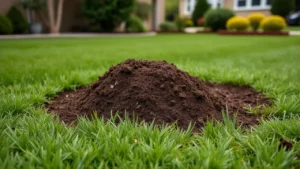
Molehills
Moderate
Conical mounds of excavated soil pushed up from below. Fresh molehills contain dark, moist soil. A single mole can create 6-12 molehills per day when actively tunnelling.
Surface Tunnels
High
Raised ridges visible across lawn surfaces where moles have tunnelled just below the turf. These feeding tunnels follow irregular paths as moles hunt for grubs and worms.
Root Damage
High
Plants wilting despite adequate water, bulbs disturbed or eaten, and root vegetables damaged underground. While moles are primarily insectivores, their tunnelling disrupts root systems.
Lawn Collapse
Severe
Sections of lawn that feel spongy or collapse underfoot due to extensive tunnel networks beneath the surface. This creates tripping hazards and ruins lawn aesthetics.
Drainage Issues
Moderate
Mole tunnels can redirect water flow underground, causing waterlogging in some areas and dry spots in others. This uneven drainage further damages lawn health.
Moles vs Other Garden Pests: How to Tell the Difference
Correctly identifying the pest is critical — different animals require different control approaches. Here’s how mole damage compares to other common garden pests in Canberra:
| Feature | Moles | Voles/Water Rats | Rabbits |
|---|---|---|---|
| Soil Mounds | Conical, volcano-shaped | No mounds | Scattered soil at burrow entrance |
| Tunnels | Raised ridges below surface | Surface runways in grass | Deep burrows with large openings |
| Plant Damage | Indirect (root disturbance) | Gnawed stems, eaten bulbs | Eaten shoots, bark stripped |
| Droppings | None visible | Small, dark pellets in runways | Round pellets scattered widely |
| Activity Time | Any time (mostly dawn/dusk) | Mostly nocturnal | Dawn and dusk |
Why Canberra Gardens Attract Moles
Canberra’s garden soils are particularly attractive to moles for several reasons. The rich, loamy soils in established suburbs like Griffith, Red Hill, and O’Connor support large populations of earthworms and grubs — the mole’s primary food source. Regular irrigation keeps soil moist and easy to tunnel through. And the abundance of well-maintained lawns provides an uninterrupted habitat with few natural predators.
Properties near green spaces, parks, and nature reserves are especially vulnerable. Moles can travel significant distances underground, and your garden may simply be on their feeding route from adjacent bushland or parkland.
DIY Mole Control: Does It Work?
The short answer is: rarely. Common DIY mole remedies include vibrating stakes, castor oil treatments, garlic or chilli-based repellents, flooding tunnels with water, and ultrasonic devices. While some of these may temporarily discourage moles from specific areas, they typically just push the animals to a different part of your garden. Moles are persistent, territorial, and will return once the deterrent fades.
The most effective DIY approach is actually indirect: treating the grub population in your lawn reduces the food source that attracts moles in the first place. However, eliminating all soil invertebrates isn’t practical or desirable for garden health.
Professional Mole Control Solutions
Professional mole control takes a targeted, multi-step approach:
- Site assessment — mapping active tunnel systems and identifying primary runs vs feeding tunnels
- Strategic trapping — professional-grade traps placed in active primary tunnels for maximum effectiveness
- Grub treatment — reducing the food source that attracts moles to your garden
- Lawn repair guidance — advice on restoring damaged turf and preventing re-infestation
- Follow-up monitoring — checking for signs of new activity and retreating if necessary
Repairing Mole Damage to Your Lawn
Once moles are removed, repairing the damage is straightforward. Flatten molehills by spreading the soil with a rake. For collapsed tunnel areas, compact the soil by walking over it or using a lawn roller. Overseed bare patches with a grass variety suited to Canberra’s climate — tall fescue and kikuyu perform well in the ACT. Water repaired areas regularly until new grass is established.
Avoid rotary hoeing affected areas, as this can expose dormant weed seeds and create more problems than it solves.
Moles Destroying Your Garden?
Bugs Patrol provides professional mole control across Canberra. We assess, trap, and prevent re-infestation — with minimal disruption to your garden.
Still have questions?
The best pest control company will solve your issue for a long time. Bugs Patrol is Canberra’s trusted choice for professional mole control with lasting results.
Frequently Asked Questions
Key signs include volcano-shaped mounds of fresh soil on your lawn (molehills), raised ridges running across the garden (surface tunnels), soft or spongy areas when you walk on the lawn, damaged plant roots causing wilting, and chunks of turf lifting away from the soil. Mole activity is most visible after rain when soil is soft and easy to tunnel through.
Mole damage produces distinctive conical soil mounds and raised surface tunnels. Vole damage shows runways on the soil surface with gnawed plant stems. Rabbit damage involves larger burrow entrances with scattered droppings. Lawn grub damage causes brown patches but no soil mounds. If you’re unsure, a professional inspection can accurately identify the pest.
DIY methods like vibrating stakes, castor oil granules, and flooding tunnels have limited effectiveness. Moles simply move to adjacent areas and return later. Professional mole control uses targeted trapping and habitat modification techniques that address the root cause — the grub and insect population that moles are feeding on.
Professional mole control in Canberra typically costs $200-$500 depending on garden size and infestation severity. This usually includes an initial assessment, trapping program, and follow-up visits. Some providers also treat the underlying grub population that attracts moles, which provides longer-lasting results.