
1 in 3
Aussie homes affected
$1.5B+
Annual damage in AU
HIGH
Canberra risk zone
7kg/wk
Wood per colony
Insurance Won’t Save You
Most Australian home insurance policies exclude termite damage because it’s considered a maintenance issue. The average repair bill of $7,000–$10,000 comes straight out of your pocket. Prevention through regular inspections is always cheaper than the cure.
Canberra’s inland climate, with hot summers and cold winters, creates the perfect environment for subterranean termites. The ACT’s abundance of eucalyptus trees and clay-heavy soils mean termites thrive here — and your home could be at risk.
The short answer is yes — termites are extremely common in Canberra and the wider ACT region. According to the CSIRO’s termite hazard map, Canberra falls within a “high” to “very high” risk zone for subterranean termite activity. This means that if you own a home in Canberra — whether it’s a brand-new build in Gungahlin or a 1970s brick home in Weston Creek — you are at risk of termite damage. The key to protecting your most valuable asset is understanding the threat and taking preventative action.
Why Canberra Is a Termite Hotspot
According to the CSIRO, Canberra falls within a “high” to “very high” termite hazard zone. Several environmental factors make the ACT particularly vulnerable to termite infestations, including the region’s soil composition, vegetation, and climate patterns.
- Eucalyptus forests — termites’ favourite food source
- Clay soils retain moisture that termites need to survive
- Hot summers accelerate colony growth and swarming
- Suburban homes built on bushland borders
- Garden mulch and timber retaining walls attract colonies
- Older homes may lack modern termite barriers
Canberra Suburbs at Highest Termite Risk
While all Canberra suburbs face some level of termite risk, properties near bushland reserves and mature eucalyptus forests are at significantly higher risk. Here are the suburbs where Bugs Patrol sees the most termite activity.
Weston Creek
Very High
Chapman, Duffy, Rivett, Holder, Stirling
Surrounded by Cotter Road bushland
Tuggeranong
Very High
Kambah, Wanniassa, Fadden, Calwell
Pine forest and nature reserve proximity
Belconnen
High
Aranda, Cook, Macquarie, Weetangera
Black Mountain nature reserve
Gungahlin
High
Gungahlin, Ngunnawal, Casey, Amaroo
New builds on ex-farmland with termite activity
Woden
High
Lyons, Curtin, Hughes, Garran
Mature gardens and established vegetation
Inner South
Moderate
Kingston, Barton, Griffith, Red Hill
Established gardens with timber structures
Termite Species Found in Canberra
Several termite species are active in the ACT region. Understanding which species you’re dealing with helps determine the most effective treatment approach.
Coptotermes acinaciformis (Most Destructive)
Australia’s most destructive termite species. Found throughout Canberra, especially near eucalyptus trees. Colonies can contain over 1 million individuals and cause severe structural damage within months.
Nasutitermes exitiosus
Common in Canberra. Builds distinctive mound nests in gardens and bushland. While less destructive than Coptotermes, they still cause significant damage to timber structures and fences.
Heterotermes ferox
A smaller species commonly found in Canberra gardens attacking decaying timber, stumps, and fence posts. Can occasionally attack structural timber in homes near bushland areas.
Warning Signs Every Canberra Homeowner Should Know
Termites work silently and are often called “silent destroyers” because they can cause extensive damage before you notice any visible signs. Here are the key warning signs that indicate you may have a termite problem in your Canberra home.
Hollow-Sounding Timber
Urgent
Tap exposed timber around your home — door frames, skirting boards, window sills. If it sounds hollow or papery, termites may have eaten the inside while leaving the surface intact.
Mud Tubes on Walls or Foundations
Urgent
Pencil-thin mud tubes running along foundation walls, brickwork, or plumbing are termite highways. These tubes protect termites from predators and sunlight as they travel between their nest and food source.
Swarmers After Warm Rain
Warning
Flying termites (alates) often emerge after warm rain in spring and summer. If you see swarms of winged insects near lights at dusk, or find piles of discarded wings on windowsills, termites may be establishing a new colony nearby.
Tight Doors & Windows
Monitor
Termite damage causes timber to warp and swell, making doors and windows suddenly difficult to open or close. Many Canberra homeowners mistake this for seasonal wood expansion.
Sagging or Bubbling Paint
Warning
Paint that appears to bubble, crack, or sag without an obvious moisture source can indicate termite damage beneath the surface. This is especially common along skirting boards and architraves.
What to Do If You Suspect Termites in Your Canberra Home
- DO call a licensed pest control professional like Bugs Patrol immediately
- DO keep the evidence intact — don’t disturb mud tubes or damaged timber
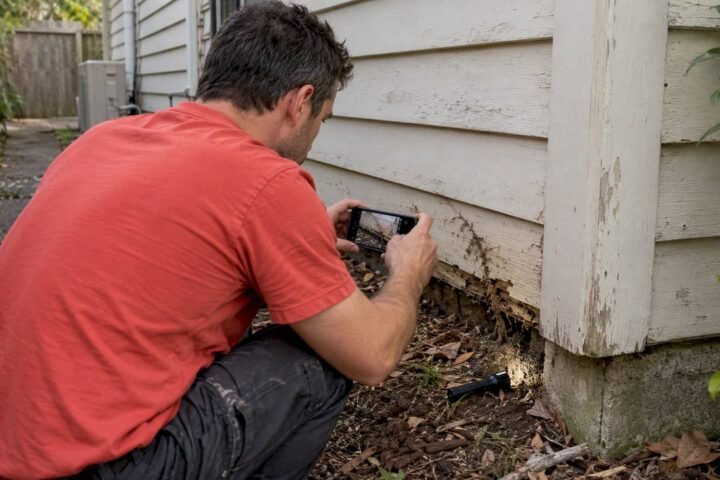
- DO photograph any signs you find for the inspector
- DON’T spray insecticide on termites — it scatters them and makes treatment harder
- DON’T disturb or break open mud tubes — this alerts the colony
- DON’T wait and hope they go away — termite damage accelerates over time
The True Cost of Ignoring Termites in Canberra
The difference between a $300 annual inspection and a $10,000+ repair bill is staggering. Here’s why every Canberra homeowner should invest in regular termite inspections.
Annual Inspection
$300-500
Per year
- Catches problems early
- Minimal treatment needed
- Protects property value
- Peace of mind for your family
Late Discovery
$10,000+
Average repair cost
- Structural repairs needed
- Extensive treatment required
- Not covered by insurance
- Can reduce property value by 25%+
Professional Termite Protection for Canberra Homes
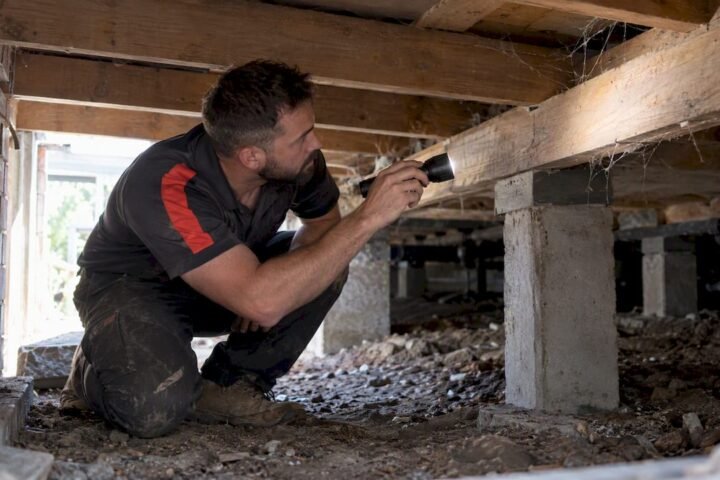
Bugs Patrol uses thermal imaging, moisture meters, and acoustic detection technology to find termites invisible to the naked eye. Our licensed technicians have experience inspecting homes across Canberra for signs of termite activity.
| Thermal Imaging Detect heat signatures | Moisture Meters Find hidden damage | Full Report Detailed findings | Treatment Plan Customised solution |
Still have questions?
The best pest control company will solve your issue for a long time. Bugs Patrol is Canberra’s trusted choice for professional termite control in Canberra with lasting results.
Protect Your Canberra Home from Termites
Don’t wait until you see damage. Book a professional termite inspection with Bugs Patrol today and protect your biggest investment.
Termite FAQs for Canberra Homeowners
Yes, Canberra falls within a high termite risk zone according to Australian Standards (AS 3660). The warm summers and eucalyptus-heavy environment create ideal conditions. Bugs Patrol recommends annual termite inspections for every Canberra property.
Termites are most active from October to March when temperatures are warmer. However, subterranean termites remain active year-round underground. Bugs Patrol provides year-round termite monitoring and protection.
Common signs include hollow-sounding timber, mud tubes along foundations, discarded wings near windows, and sagging floors or doors. If you notice any of these, contact Bugs Patrol immediately for a professional inspection.
Termites cause over $1.5 billion in damage to Australian homes annually. A single colony can consume up to 7kg of wood per week. Early detection by Bugs Patrol can save Canberra homeowners thousands in repair costs.
Chemical soil barriers (like Termidor) and baiting systems (like Sentricon) are the most effective. Bugs Patrol assesses your property and recommends the best solution based on construction type and risk level.
Unfortunately, most Australian home insurance policies do NOT cover termite damage, as it’s considered preventable. This makes regular inspections with Bugs Patrol essential to protect your investment.
A professional termite inspection in Canberra typically costs $250–$450 depending on property size. Bugs Patrol includes thermal imaging and moisture meter testing in every inspection, with a detailed written report.
Yes, termites can re-infest if the treatment barrier breaks down or new entry points are created. That’s why Bugs Patrol recommends annual inspections even after treatment, and offers ongoing monitoring programs.


[…] Common Termites in Canberra […]