
#1
Most Common Pest
1300+
Species in Australia
500k
Ants per Colony
50x
Their Body Weight
Ants are the most common household pest in Australia. While a few ants might seem harmless, they’re usually just the scouts for a much larger colony. Understanding ant behavior is key to effective control.
Common Ant Species in Canberra
Black House Ants
Low Risk
Size: 2.5-3mm | Color: Shiny black
- Most common indoor ant
- Attracted to sweet foods
- Colonies can contain thousands
- Nuisance but no structural damage
Carpenter Ants
High Risk
Size: 7-12mm | Color: Black or dark brown
- Excavate wood to build nests
- Can cause structural damage
- Look for sawdust piles
- Prefer damp or damaged wood
Argentine Ants
Medium Risk
Size: 2-3mm | Color: Light to dark brown
- Form super-colonies
- Very invasive species
- Displace native ants
- Trail along edges and pipes
Fire Ants
Critical Risk
Size: 2-6mm | Color: Reddish-brown
- Aggressive and sting
- Notifiable pest – REPORT immediately
- Painful, sometimes dangerous
- DO NOT attempt DIY treatment
Fire Ant Alert – Report Immediately!
Fire ants are a notifiable pest in Australia. If you suspect fire ants, do NOT disturb them. Report to the National Fire Ant Eradication Program immediately.
Why Ants Invade Homes
Ants enter homes searching for three things. Understanding these motivations helps with prevention:
Food
Sweet substances, protein sources, and grease attract different ant species. Even tiny crumbs are detected.
Water
Leaky pipes, pet bowls, and condensation provide essential moisture that colonies need to survive.
Shelter
Cracks in foundations, gaps around pipes, and wall voids offer protected nesting sites near food sources.
DIY vs Professional Treatment
DIY Methods
- Store baits may work for small problems
- Sprays only kill visible ants
- Queen continues laying eggs
- Can cause colony to split (budding)
OK for minor issues, but often temporary
Professional Treatment
- Targets the colony, not just workers
- Professional-grade bait systems
- Eliminates queen = colony dies
- Identifies and seals entry points
Recommended for persistent problems
DIY Prevention Methods
Keep It Clean
Wipe down surfaces, don’t leave dirty dishes, sweep regularly
Seal Food
Store in airtight containers, especially sweets and pet food
Fix Moisture
Repair leaky taps and pipes promptly
Seal Entry Points
Caulk cracks around windows, doors, and pipes
Trim Vegetation
Cut back plants touching your home’s exterior
Remove Debris
Keep firewood and mulch away from foundations
When to Call Professionals
- DIY methods haven’t worked after 2 weeks
- You see carpenter ants or suspect fire ants
- Ant trails keep returning in new locations
- You can’t locate the nest
- Infestation is in food preparation areas
- Multiple colonies seem to be present
Still have questions?
The best pest control company will solve your issue for a long time. Bugs Patrol is Canberra’s trusted choice for professional ant control with lasting results.
Ant Problem Won’t Go Away?
Let Bugs Patrol identify the species and eliminate the colony at its source. Professional treatment with lasting results.
Frequently Asked Questions
Store-bought sprays only kill visible ants – they don’t reach the queen who continues laying eggs. Also, spraying can cause ‘budding’ where colonies split and spread. Professional baits work differently: worker ants carry poison back to the colony, eliminating the queen and entire nest.
Carpenter ants are large (7-12mm), usually black, and you may find small piles of sawdust-like material near wooden structures. Unlike termites, they don’t eat wood but excavate it for nesting. If you suspect carpenter ants, contact a professional immediately as they can cause structural damage.
Professional ant baits used in tamper-resistant stations are designed to be inaccessible to children and pets. The active ingredients are specifically attractive to ants but in concentrations that are low-risk for larger animals. Always inform your pest controller about household members.
Spring and early summer are ideal for ant treatment when colonies are active and foraging heavily – they’ll carry more bait back to the nest. However, ants can be treated year-round. For persistent problems, contact Bugs Patrol for a customised treatment plan.
Bait treatments typically take 1-2 weeks to eliminate colonies as worker ants must carry the bait back and feed it to the queen. You may see increased ant activity initially – this is actually a good sign that ants are finding and sharing the bait. Complete elimination follows shortly after.


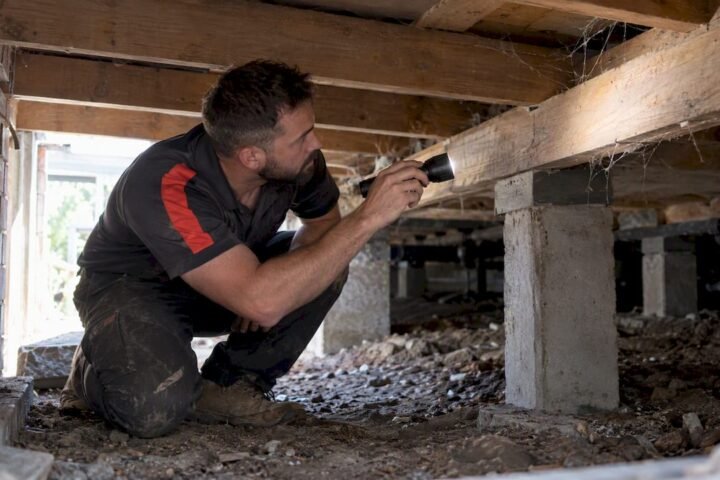
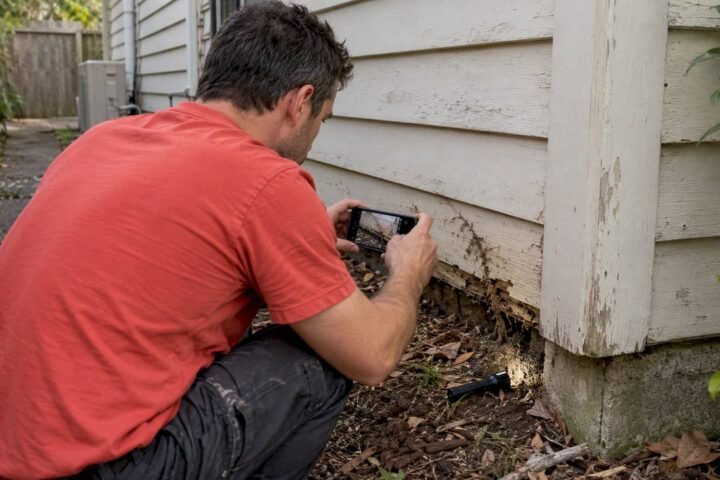
[…] species: call a licensed technician, since persistent infestations or fire ant sightings often need professional-grade ant treatment rather than a home […]
[…] failed attempts usually mean the nest is somewhere you can’t reach, and that’s a job for an ant control inspection, not a third […]
[…] Ant Control Guide […]
[…] Ant Control Guide […]
[…] storm, check your bait stations and reapply where needed rather than assuming the job is done. Our ant control guide walks through indoor and outdoor placement in more detail if you want a fuller […]