Clean up spilled food first, then set gel baits or tamper resistant bait stations in spots your cat or dog can’t reach, and keep pets clear of the area until everything’s dry. That single move solves most ant problems without putting an animal at risk.
- Wipe up food and pet bowl residue immediately.
- Place gel bait or a locked bait station along the ant trail, out of paw’s reach.
- Keep pets in another room until the product dries or the label’s re-entry time passes.
- If your pet eats any bait or packaging, call the Animal Poisons Helpline right away.
There’s no universal “safe for every pet” ant product. Risk depends on the active ingredient, how much gets eaten, and the animal itself, which is why the Health Victoria technical note on ants leads with hygiene and food removal before any product goes down.
TL;DR:
- Using gel baits or tamper-resistant stations placed behind appliances and cracks reduces ant populations while minimizing pet access to toxic substances.
- Pet exposure mainly occurs through licking treated surfaces, chewing bait packaging, or secondary poisoning from contaminated insects or food.
- Avoid pyrethroid sprays, loose bait granules, foggers, and essential oils, as they pose high risks to pets, especially cats and reptiles.
- Always place bait stations in inaccessible areas, secure pets during treatment, and follow re-entry times closely to prevent accidental ingestion.
- For large or hidden nests or persistent infestations, consult licensed pest control professionals who can safely treat inaccessible sites using targeted gels and dusts.
Table of Contents
- How Do Pets Get Exposed to Ant Poison?
- What Ant Control Options Are Actually Safer for Pets?
- Which Ant Products Should You Never Use Around Cats or Dogs?
- How Do You Apply Ant Treatment Safely When You Have Pets?
- When Should You Call a Professional Instead?
- Editorial Take: What This Guide Gets Right That Most Advice Misses
- Book a Pet-Safe Ant Treatment With Bugspatrol
- Key Takeaways
- Where to Find Official Guidance
- Sources
How Do Pets Get Exposed to Ant Poison?
Three routes cause almost every case: licking a treated surface, chewing into bait or its packaging, and secondary poisoning from eating a poisoned insect or contaminated food. Dogs tend to go for the bait itself, drawn in by the sweet or greasy carrier used to attract ants. Cats are more likely to walk through a treated area, then groom it off their paws and fur later.
That grooming habit is what makes cats uniquely vulnerable to pyrethroid based sprays and powders, including permethrin. Cats lack the liver enzyme that breaks these compounds down efficiently, so a dose a dog would shrug off can cause tremors or seizures in a cat, according to the Animal Poisons Helpline.
Watch for these signs after any suspected exposure:
- Drooling, vomiting, or loss of appetite
- Wobbly movement, tremors, or twitching
- Lethargy or unusual hiding behavior
- Skin irritation or excessive paw licking
If you see any of these, don’t wait it out. Call your vet or the Animal Poisons Helpline immediately and mention the exact product name if you have it.
What Ant Control Options Are Actually Safer for Pets?
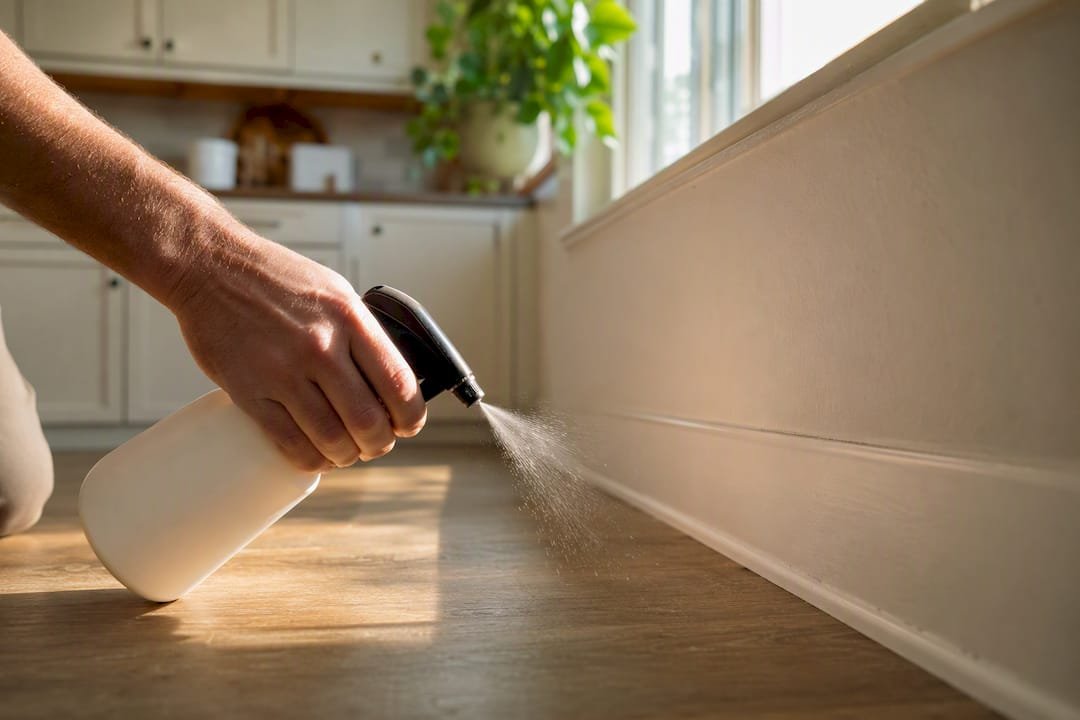
Start with what costs nothing and carries zero chemical risk: hygiene and exclusion. Secure the pet food bowl after meals, wipe up spills the same day, and seal the gaps and cracks ants use to get inside. Health Victoria’s guidance treats this as the single most effective first step, and it’s the one most owners skip because it feels too simple to work.
Once hygiene is handled, here’s where the actual product choices come in:
- Gel baits and enclosed bait stations. Placed in cracks, under appliances, or behind cabinets, these let worker ants carry poisoned bait back to the colony’s queen. That delayed action is the whole point. A fast kill only removes the ants you can see; a slow-acting bait wipes out the nest over several days.
- Food-grade diatomaceous earth. This works by drying out an ant’s exoskeleton on contact rather than through any chemical toxicity, which makes it genuinely low-risk if a curious dog licks a treated windowsill. It’s slow, though, and airborne dust can irritate the lungs of pets and people alike, so dust lightly and avoid open bowls of the stuff where pets sleep or eat.
- Trail disruption with vinegar or dish soap. Wiping down an ant trail with diluted vinegar breaks the scent pheromone ants use to navigate, which stops that specific trail temporarily. Treat it as a stopgap, not a cure. Retail guidance from Bunnings is upfront that these home remedies won’t touch the nest itself.
- Outdoor IGR based granules. Insect growth regulators like pyriproxyfen, used in Australia’s fire ant eradication program, are assessed as low risk to mammals when applied at the rates the National Fire Ant Eradication Program specifies. Always follow the label rate; more product isn’t more effective, just riskier.
Pro Tip: Push bait stations flush against a wall or under a fixed appliance rather than out in the open. A dog that can’t get its nose against the station has almost no way to chew it open.
Which Ant Products Should You Never Use Around Cats or Dogs?
Some products carry a risk profile that’s hard to manage safely in a home with pets, no matter how carefully you place them. Skip these entirely:
- Permethrin and other pyrethroid sprays in any room, hallway, or yard patch your cat can access. A cat that grooms treated fur can absorb enough to trigger tremors or seizures.
- Loose granule baits or metaldehyde snail pellets scattered on open ground. Dogs eat these directly, and metaldehyde poisoning can turn fatal within hours.
- Foggers or broadcast sprays in any living space. These coat furniture, floors, and pet bedding with residue that stays contactable long after the visible mist clears.
- Concentrated essential oils as a “natural” ant deterrent. Oils like tea tree or peppermint can be toxic or deeply irritating to pets in concentrated form, especially near grooming or sleeping spots, per the Animal Poisons Helpline.
If a spill happens anyway, remove pets from the room first, clean it up wearing gloves, and call the Animal Poisons Helpline for guidance even if your pet hasn’t touched it yet.
How Do You Apply Ant Treatment Safely When You Have Pets?
Follow this order every time, regardless of which product you’re using:
- Secure your pets in a separate room or outdoors before you start.
- Remove food and water bowls from the treatment area.
- Place bait or dust in inaccessible spots, such as behind appliances, inside wall voids, or along skirting boards pets can’t reach.
- Respect the label’s re-entry time. Most sprays require 30 to 60 minutes to dry before pets or people re-enter, though some products specify longer. Check the label every time; don’t assume it matches the last product you used.
- Supervise pets closely the first time they’re back in the treated room.
- Lock up unused product and keep the label or safety data sheet somewhere you can find it fast.
- Collect spilled granules immediately. The AMDRO label specifically calls this out, and it matters more than it sounds. Even a tamper resistant bait station can be chewed open by a determined dog.
If ingestion does happen, don’t guess. Keep the product label in hand, note the time and any symptoms, and call the Animal Poisons Helpline and your vet together. Our guide to pest control preparation covers the same re-entry and readiness steps in more detail if you’re prepping for a bigger job.
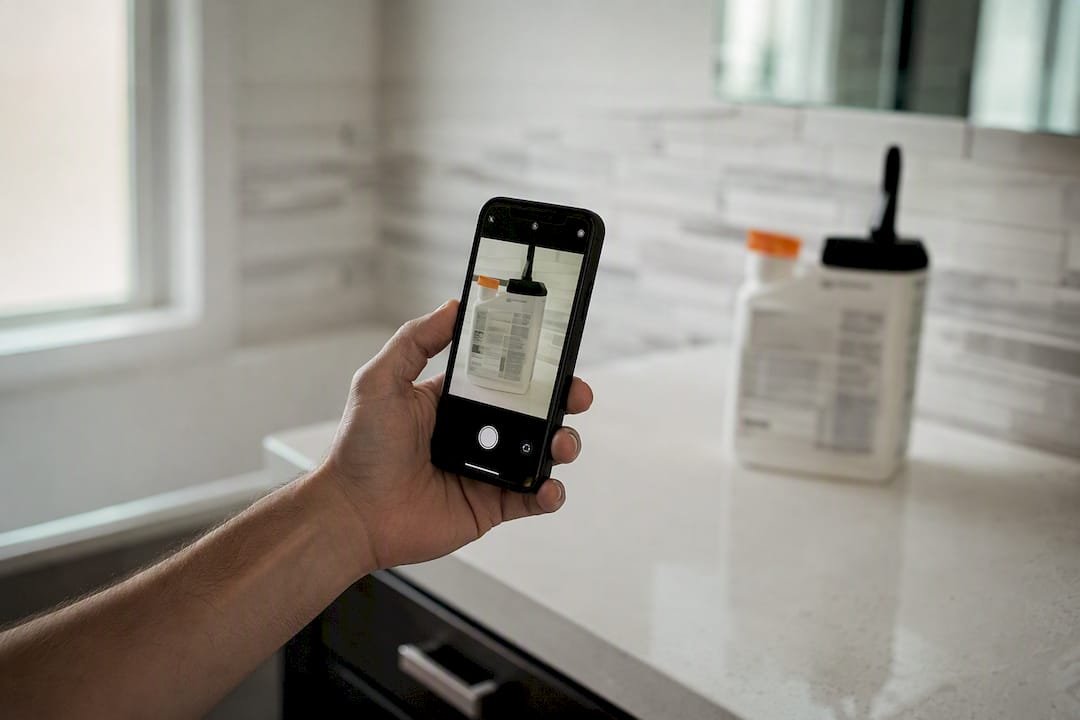
Pro Tip: Photograph the product label before you apply anything. If your pet gets sick hours later, you’ll have every ingredient and dosage detail on your phone instead of digging through a trash can.
When Should You Call a Professional Instead?
Some jobs are genuinely too risky to handle with a retail product and good intentions. Call a licensed technician when you’re dealing with:
- A large or hidden nest inside a wall, roof cavity, or subfloor
- Red imported fire ants, which need specialized identification and treatment
- A household with sensitive animals like birds or reptiles, where even low-toxicity products carry more risk
- Repeated infestations that DIY baits haven’t resolved after a few weeks
Licensed technicians work with the same core idea as this guide, just executed with more precision: targeted gels and dusts placed inside voids pets can’t access, tamper resistant stations, and documented re-entry times shared before they leave. Bugspatrol technicians bring more than a decade of field experience across Canberra, using pest control methods built around pet and family safety rather than blanket spraying.
Editorial Take: What This Guide Gets Right That Most Advice Misses
Most ant advice online treats “pet safe” as a marketing label instead of a real technical distinction, and that’s the gap worth closing. A product isn’t safe because the bottle says “natural” or “family friendly.” It’s safer because of where it’s placed, how much a pet could realistically access, and whether the active ingredient is one cats can metabolize at all.
The conventional wisdom oversells hygiene as a complete fix and undersells placement. Cleaning up pet food matters, but it won’t stop an established colony, and too many owners stop there, get frustrated, then reach for a spray that’s genuinely risky around cats out of impatience.
What I’d prioritize first: read the label like it’s instructions, not marketing copy, and treat any gap between “where you put the bait” and “where your pet can go” as the actual safety margin. When that gap disappears, because the nest is inside a wall or your dog has already chewed into a bait station once, that’s the signal to stop experimenting and call someone licensed to finish the job properly.
— navin
Book a Pet-Safe Ant Treatment With Bugspatrol
If you’ve tried the gel baits and hygiene fixes and ants keep coming back, Bugspatrol solves the problem the DIY route can’t: getting product into the actual nest, safely, without guessing at re-entry times or label doses. Our licensed technicians use targeted gels and dusts placed inside voids and behind fixtures your pets never touch, backed by thermal imaging when we need to find a hidden nest before treating it.
That’s the difference between managing ants for a week and actually clearing the colony. Every job comes with clear, upfront guidance on when it’s safe for your pets to move back through treated areas. If you’re in Canberra and ready to stop re-treating the same ant trail every month, book a general pest control service and get a technician out to assess the nest properly.
Key Takeaways
Pet safe ant control works by combining strict hygiene, low-toxicity bait placement out of pet reach, and label literacy, with professional help for hidden or large nests.
| Point | Details |
|---|---|
| Start with hygiene | Clean spilled pet food and seal entry points before using any bait product. |
| Choose gel baits and stations | Place them in cracks or behind appliances so ants carry poison to the nest, out of pet reach. |
| Skip pyrethroids and metaldehyde | Avoid permethrin sprays and loose granule pellets entirely in pet households. |
| Follow label re-entry times | Wait the specified drying time, often 30 to 60 minutes, before letting pets back in. |
| Call Bugspatrol for hidden nests | Licensed technicians use targeted gels, dusts, and thermal imaging for infestations DIY baits can’t reach. |
Where to Find Official Guidance
For emergencies or technical questions, these resources carry more authority than any blog post:
- Animal Poisons Helpline for 24/7 pet poisoning advice
- Health Victoria’s technical note on ants for pesticide-safe control guidance
- National Fire Ant Eradication Program for approved treatment safety standards
This article is general information, not a substitute for advice from a qualified doctor. Consult a qualified healthcare professional about your own circumstances before acting on anything here.
Sources
- Health Victoria — Ants: pest control guidance
- National Fire Ant Eradication Program — treatment safety
Recommended
- Bugs Patrol Canberra – Professional Pest Control Services
- Bugs Patrol Canberra – Professional Pest Control Services
- Bugs Patrol Canberra – Professional Pest Control Services
- Bugs Patrol Canberra – Professional Pest Control Services