If you own a home in Belconnen, the pest risks you face are not the same as those facing homeowners elsewhere in Canberra. The proximity to Ginninderra Creek, the dense tree cover, and the area’s older housing stock create conditions that favour some of the most damaging and difficult-to-detect pests in the ACT. This is not a generic overview with a suburb name dropped in. It is a practical, honest look at what pest control in Belconnen actually involves.
In this post, you will learn why Belconnen has a distinct pest profile, why subterranean termites pose such a serious structural risk to homes in the area, and how long an infestation can go undetected before visible signs appear. You will also find out what you need to know about European wasps and white-tail spiders, when each pest is most active throughout the year, and how to decide when a professional inspection is necessary. Whether you are new to homeownership or simply want to understand what you are dealing with, this guide gives you the context to make informed decisions about protecting your property.
Why Belconnen Has a Different Pest Profile to the Rest of Canberra
Belconnen sits alongside the Ginninderra Creek corridor, a riparian zone where vegetation intercepts and slows water runoff, keeping soil persistently moist. That sustained ground moisture is a primary driver of subterranean termite activity, and it also provides reliable shelter for other pest species year-round.
Above ground, Belconnen’s established tree canopy adds a second layer of risk. Mature trees create connected pathways for pests to move between properties and into roof voids, and they offer nesting opportunities that newer, less-vegetated ACT growth areas simply do not present at the same scale. For context on how pest pressure varies across Canberra’s suburbs, BugsPatrol’s Canberra pest control overview covers the broader picture.
Older housing stock compounds both factors. Many Belconnen homes were built before modern termite-resistant construction became standard practice, and any chemical soil protection applied at the time of original construction is unlikely to remain effective today.
Taken separately, each of these factors carries risk. Taken together, sustained soil moisture, mature vegetation corridors, and aged building stock stack in a way that makes Belconnen’s pest profile measurably different from newer suburbs in the ACT. Generic prevention advice does not account for this combination. Understanding it is what allows Belconnen homeowners to ask the right questions and make genuinely targeted decisions about inspection and treatment.
Subterranean Termites: The Structural Risk Hiding in Plain Sight
That environmental context matters most when you understand which pest causes structural damage. For Belconnen homeowners, that pest is Coptotermes acinaciformis, the Australian subterranean termite, one of the most destructive structural threats to residential property in the suburb.
The species thrives wherever soil stays moist and vegetation corridors provide nesting habitat, making the Ginninderra Creek area particularly suitable. Colonies forage underground and through wall cavities, entirely out of sight. Active infestations can persist undetected for multiple years while workers hollow out structural timbers from the inside. By the time most homeowners notice anything, significant damage has already occurred.
The consequences extend beyond repair costs. C. acinaciformis attacks structural timbers, power poles, fences, retaining walls, and landscaping timber. Severely damaged buildings can become structurally unsafe, and the financial consequences can be severe.
Warning signs to check for:
- Mud tubes running along foundations or walls
- Timber that sounds hollow when tapped
- Blistered or bubbling paint on skirting boards
- Winged termites (alates) emerging from doorjambs or wall voids, particularly in warmer months
Many Belconnen homes were built before modern termite-resistant construction became standard practice, and any chemical soil protection applied at the time of original construction is unlikely to remain effective today.
Homeowner visual checks alone are unreliable at this stage. Only a professional inspection, using specialised tools and trained assessment, can detect early-stage subterranean activity before damage becomes serious. For a full breakdown of what treatment looks like once termites are found, the guide to termite treatment options for Canberra homeowners covers each approach in detail.
The Detection Gap: How Long Termites Go Unnoticed
Knowing the warning signs matters less than most homeowners realise, because the deeper problem is how long Coptotermes acinaciformis can operate before any signs appear at all. Documented incursions show active colonies continuing for years before formal identification, with structural and financial damage compounding each season they go undetected.
The reason surface-level checks fail is straightforward: subterranean termites forage underground and consume timber from the inside out, constructing mud tunnels that keep them hidden from view. By the time hollow-sounding timber or mud tubes are visible, the colony is already well established and has likely been active for some time.
The consequences of a long detection gap are not cosmetic. Infestations left unchecked long enough can render load-bearing structures unsafe, crossing from costly repair into the territory of building condemnation and the largest possible financial loss. In Belconnen, the environmental conditions that sustain termite colonies, soil moisture from the Ginninderra corridor and established vegetation, do not resolve between seasons. The pressure is persistent, which is why annual professional inspections are the recommended standard for properties in this area. A professional termite inspection gives trained technicians access to subfloor spaces, wall cavities, and soil conditions that no homeowner visual check can reach.
Homeowners with no inspection in the past 12 months, or none since purchase, carry the greatest exposure to undetected activity.
European Wasps in Belconnen: A Seasonal Pest With Year-Round Nesting Risk
Termites aren’t the only hidden threat in Belconnen. Vespula germanica, the European wasp, is an introduced species now firmly established across south-eastern Australia, including the ACT region, and Belconnen’s combination of mature trees, garden beds, and older structures with accessible cavities makes it particularly hospitable.
Unlike native bees, European wasps are highly defensive and will attack in numbers when a nest is threatened. Attempting removal without professional equipment carries a genuine injury risk, especially for children and anyone with a venom allergy.
Nests are built in wall cavities, roof voids, subfloor spaces, and underground, typically concealed behind a single small entrance hole. Homeowners rarely discover a nest until the colony is already large.
Colony numbers climb through summer and peak in late summer and autumn, when foraging activity is most intense. In sheltered locations such as wall cavities, nests may persist longer than nests in exposed ground sites, though activity does slow as temperatures fall.
Properties bordering the Ginninderra Creek parklands or open reserve land face additional pressure. Foraging workers range widely from the nest, and the green corridors connecting Belconnen’s suburban fringe to those reserves provide both foraging ground and nesting habitat close to homes.
Hardware store aerosol sprays applied to the entrance hole frequently fail to penetrate the nest core, and disturbing the entrance without destroying the colony provokes a defensive response. Professional nest location and treatment is the right approach, and why choosing a licensed local operator matters becomes clear when the nest is inside a wall rather than visible in a garden shrub.
White-Tail Spiders: What Belconnen Homeowners Actually Need to Know
Wasps aren’t the only pest Belconnen’s tree canopy and garden beds harbour. White-tail spiders follow a different but equally predictable pattern into your home.
Two species occur in the region: Lampona cylindrata and Lampona murina. Unlike most spiders, white-tails are active hunters that build no web, moving at floor level, crawling into shoes left out overnight, and sheltering in clothing or bedding. That behaviour is why most bites happen at close quarters rather than from a spider in plain sight.
The established tree cover and garden mulch typical of older Belconnen properties create layered harbourage for the black house spiders and other small species that white-tails prey on. Where prey is abundant, white-tails follow.
Seasonal timing matters here. White-tail activity in and around houses rises through summer and into autumn as spiders seek shelter from cooling temperatures, making late summer to autumn the highest-risk period for indoor encounters.
On bites: they cause burning pain, localised swelling, and sometimes blistering. A prospective study of 130 confirmed bites found no cases of ulceration. Severe reactions are uncommon, but any bite to a child, elderly person, or someone immunocompromised warrants prompt medical attention.
Practical steps to reduce risk:
- Shake out shoes and clothing left on floors before wearing
- Check and tuck in bedding each night during autumn
- Seal gaps around skirting boards and window frames
- Reduce clutter in garages and storage areas
Targeting white-tails in isolation is less effective than treating the broader environment. Addressing harbourage areas and the prey species that attract them is what makes spider control durable.
Belconnen’s Pest Seasons: A Rough Calendar for Homeowners
Knowing when each pest is most active helps Belconnen homeowners act before a problem escalates rather than after.
Spring (September to November): Rising soil temperatures trigger termite alate (swarmer) flights, the most visible sign that a colony is active nearby. European wasp queens begin establishing new nests in spring as temperatures rise, though the exact timing varies with local climate, making this the earliest intervention window for both species.
Summer (December to February): Subterranean termites enter peak foraging activity as spring soil moisture persists into warmer months. European wasp colonies grow rapidly through summer, and their expanding foraging range brings them into regular contact with outdoor dining areas and bin storage.
Autumn (March to May): This is the highest-risk window for two of the three primary pests. Wasp colonies reach maximum size and aggression peaks sharply when nests are disturbed. White-tail spiders begin moving indoors as evening temperatures drop.
Winter (June to August): Surface pest activity slows, but subterranean termite colonies remain active in deeper soil and inside heated wall cavities. Structural damage continues silently through winter.
At least two of the three core pest pressures are active or causing damage in every single season. Reactive treatment addresses problems after they are already established; year-round inspection is the more effective approach for properties in Belconnen’s elevated-risk environment.
When to Call a Pest Control Professional in Canberra’s North
Knowing the seasonal risk windows is only useful if you act on them at the right time. Some situations call for a professional response rather than a wait-and-see approach.
If you spot any of the termite warning signs described earlier, mud tubes, hollow-sounding timber, or alate emergence, treat these as indicators of an established colony, not early warnings. Damage accelerates once a colony is active, and every week without treatment widens the repair bill.
A wasp nest found inside a wall cavity, roof void, or subfloor is not a job for hardware store aerosol. Those locations make the nest core unreachable by surface sprays, and disturbing the entry point without treating the nest provokes aggressive defensive behaviour. A licensed technician has the tools and products to treat confined-space nests safely.
Frequent white-tail spider sightings indoors, as opposed to the occasional stray, point to a harbourage or entry point that a professional inspection can locate and treat at the source rather than at the symptom.
If you are buying or selling in Belconnen, a pre-purchase timber pest inspection is not optional. Given the suburb’s termite risk profile, skipping it exposes buyers to unpriced structural liability and sellers to post-settlement disputes.
Licensed pest control professionals carry specialist detection equipment and use treatment-grade products applied under formal inspection protocols, an approach that retail options cannot replicate.
BugsPatrol’s expert team services Belconnen with licensed termite, spider, and wasp treatments, offering both liquid barrier and baiting system approaches, 12-month warranties, and rolling cover with no upfront fees.
Termite Treatment Options: Liquid Barriers vs. Baiting Systems
Once a professional inspection confirms termite activity, the next decision is which treatment method suits your property.
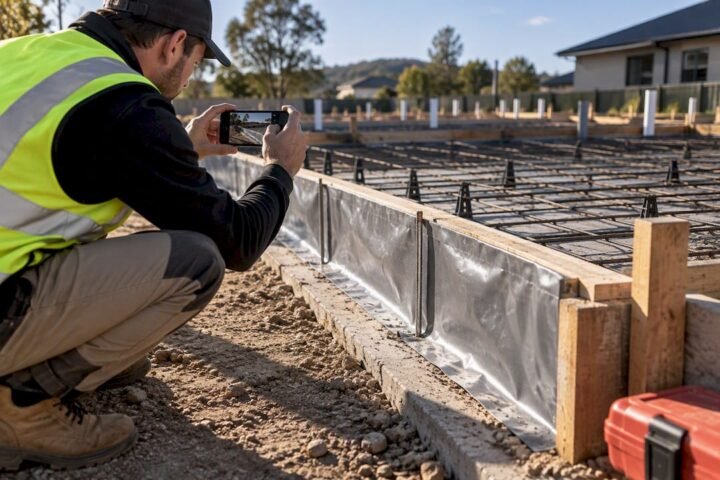
Liquid chemical barriers involve treating the soil around and beneath a home’s perimeter, creating a continuous zone that kills termites before they reach structural timber. Installation typically involves trenching, rod injection, and drilling through concrete expansion joints to ensure no gaps in coverage. This method works best where technicians have unobstructed access to the full building perimeter.
Baiting systems take a different approach. In-ground monitoring stations are installed around the property and inspected periodically. When activity is detected, a slow-acting bait is introduced; workers carry it back to the colony, eventually eliminating it at the source.
For many older Belconnen homes, baiting systems are the more practical option. Concrete slabs, established garden beds, and limited subfloor access can make a continuous liquid barrier difficult or impossible to install correctly.
Neither method is a one-time fix. Both require ongoing professional monitoring to remain effective, particularly in the Ginninderra corridor where re-infestation pressure is persistent rather than seasonal. A treatment that lapses in monitoring can leave a property exposed within a single foraging cycle.
The right choice depends on your property’s construction type, soil conditions, and whether live termites are already present. A licensed technician should assess all three before recommending an approach. For a deeper look at how each method applies to different property types, Which Termite Treatment Actually Works for Your Situation? covers the key variables in detail.
Protecting Your Belconnen Home: Key Takeaways
Belconnen’s layered environmental and structural risk factors, covered in full earlier, make reactive pest management the more expensive long-term choice.
The stakes are highest with subterranean termites. Their underground activity can continue for years before any visible sign appears, and by the time damage is obvious, structural repair and real property value loss (documented at up to 30% on affected homes) are already in play. European wasps and white-tail spiders carry lower structural stakes but follow predictable seasonal patterns in Canberra’s climate; recognising those windows means homeowners can act before an encounter becomes an incident rather than after.
The most cost-effective single action for any Belconnen homeowner is an annual professional inspection. Licensed pest control technicians have access to detection tools, treatment-grade products, and baiting systems that retail options cannot match, and a formal inspection creates a documented baseline that matters if you ever sell.
BugsPatrol is a locally owned and operated Canberra pest management company servicing Belconnen with fully licensed termite, spider, and wasp treatments. Their services include both liquid barrier and baiting system options, backed by 12-month warranties. With no upfront fees, easy monthly payments, and rolling cover, ongoing professional protection is structured to be accessible rather than a one-off expense you defer.
Belconnen’s pest pressure is real and persistent. Managing it proactively is straightforwardly the better option.