The most reliable way to get rid of rats is to use three methods together: cut off their food, water and shelter, close the gaps they travel through, and then remove the animals already inside with traps or bait stations. Any one of these on its own usually fails. Baiting without proofing means new rats move in. Proofing with rats still inside means they stay trapped in your walls. This guide explains how each method works, where it falls short, what is restricted in Australia and the ACT, and when it is time to call a professional.
TL;DR
- Start with the cause: remove food, water and shelter, then seal gaps. Without this, any trap or bait only buys you a few weeks.
- Snap traps suit small infestations and sensitive areas. Bait suits larger ones but carries real risks for kids, pets and wildlife.
- Glue boards are banned in the ACT. Use them nowhere, and avoid any operator who offers them.
- Many of the strongest rat baits have been restricted nationally since 2026, so the shop-shelf choice is narrower than it used to be.
- Rats in the roof, repeated returns or droppings in food areas are the point to book a licensed technician.
Table of Contents
- Confirm it is rats first
- Method 1: Remove food, water and shelter
- Method 2: Seal entry points
- Method 3: Traps
- Method 4: Baits and poisons
- Rat poison versus traps: which one fits your situation?
- What does not work
- When to call a professional
- Our perspective on rat control in Canberra
- Book a rat inspection in Canberra
- FAQ
- Sources
Confirm it is rats first
The right method depends on the animal. Rats and mice are controlled with different trap sizes, different bait placement and different proofing standards.
The ACT Government lists the signs to look for: moist black droppings, urine odors, noises, worn runs, greasy rub marks, burrows, gnawing and nests, and pets that get excited around one spot. It suggests inspecting walls, ceilings, subfloors, cupboards, appliances, sheds, gardens, wood piles and rubbish areas.
Droppings are the quickest clue. Rat droppings are far larger than mouse droppings, roughly 12 to 18 mm against 3 to 6 mm, and our guide to rat versus mouse droppings shows the difference. If you are unsure which animal you have, read why getting rats and mice wrong makes the problem worse. Footsteps overhead at dusk usually mean rats in the ceiling, which we cover in our rat in the roof guide.
Method 1: Remove food, water and shelter
Victoria’s Department of Health says effective rodent control starts with assessing and removing food, water and shelter: clutter, excess foliage, plumbing leaks, food scraps and nesting sites. Canberra’s conditions make this more than a formality. Cold winters push rats indoors, and a leaking tap, a pile of timber or a bag of pet food in the garage is enough to hold them.
Practical steps that make the biggest difference:
- Store food in sealed containers. This includes pet food, bird seed and chicken feed. Rats reach bird feeders easily, so keep seed off the ground.
- Stack timber and bricks off the ground. The ACT Government advises keeping stacked materials at least 30 cm above the ground so rats have no shelter underneath.
- Cut back vegetation that touches the roof or fence line. Creepers and overhanging branches work as ladders.
- Fix leaks from taps, hoses and air conditioner drains.
- Manage compost with a closed or hot-composting system, and keep meat, dairy and cooked food out of it.
- Clear out sheds, garages and storage areas. Clearing rubbish and clutter removes the hiding places that let a small problem become an established colony.
This step costs little and does not harm other animals. It also decides how long every other method keeps working.
Method 2: Seal entry points
Victoria’s guidance is to fill even small gaps, and it notes that mice can squeeze through gaps as small as 8 mm. Rats need larger openings, but they gnaw to widen them, so any soft material is a poor seal.
The ACT Government recommends blocking entrances with concrete, hard-setting filler, steel wool or heavy-gauge sheet metal. The NSW rodent-management code adds securing windows and doors, keeping doorways closed and sealing cracks and openings.
Where to look:
- Gaps around pipes and cables entering the house, especially at the kitchen, laundry and bathroom.
- Vents, weep holes and subfloor openings.
- Roofline gaps, damaged eaves and the junction where roof meets wall.
- Garage door seals and the gap under roller doors.
- Gaps in decking, sheds and fence bases.
One important sequence: do not seal everything shut while rats are still inside. Remove the animals first, or leave one monitored exit until trapping is complete. Otherwise rats can die in wall cavities or chew new holes into living areas. Our local guides on rodent proofing in Canberra and rodent prevention tips go into more detail.
Method 3: Traps
Trapping is the choice when you want to avoid poison, when you have only a few animals, or when the rats ignore bait. Victoria’s Department of Health says traps take more time and labor than chemical methods, but can suit places where pesticides are not accepted, such as food premises, or individual rodents that do not take bait.
Snap traps
The NSW code says well-designed snap or break-back traps and electrocution traps can be among the most humane methods when used and monitored properly. The same code says trapping is generally limited to small infestations because of labor costs and low efficacy on larger ones.
Tips that raise your catch rate:
- Place traps along walls and runs, with the trigger end against the wall, where rats travel.
- Set several traps at once. A single trap teaches the group to avoid it.
- Use a small amount of sticky bait such as peanut butter, or nesting material in winter.
- Check daily and wear gloves when handling carcasses.
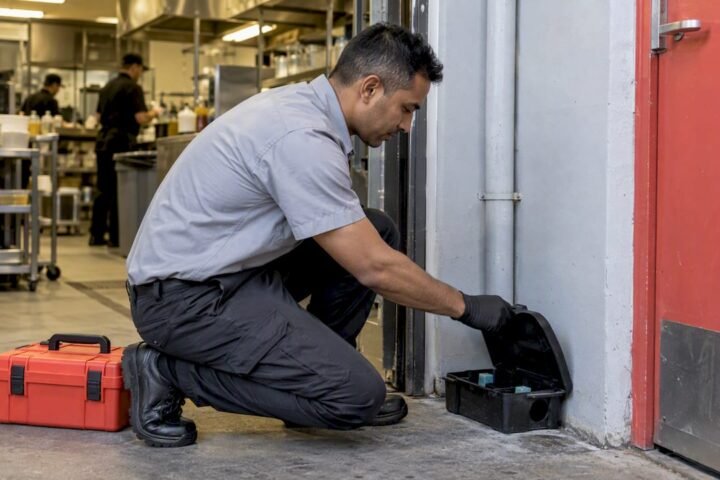
Use enclosed or tamper-resistant trap boxes where pets or children could reach the trap. AEPMA’s industry code says traps can target the pest species without rodenticides, but they must be selected and positioned so they do not harm non-target animals.
Live traps
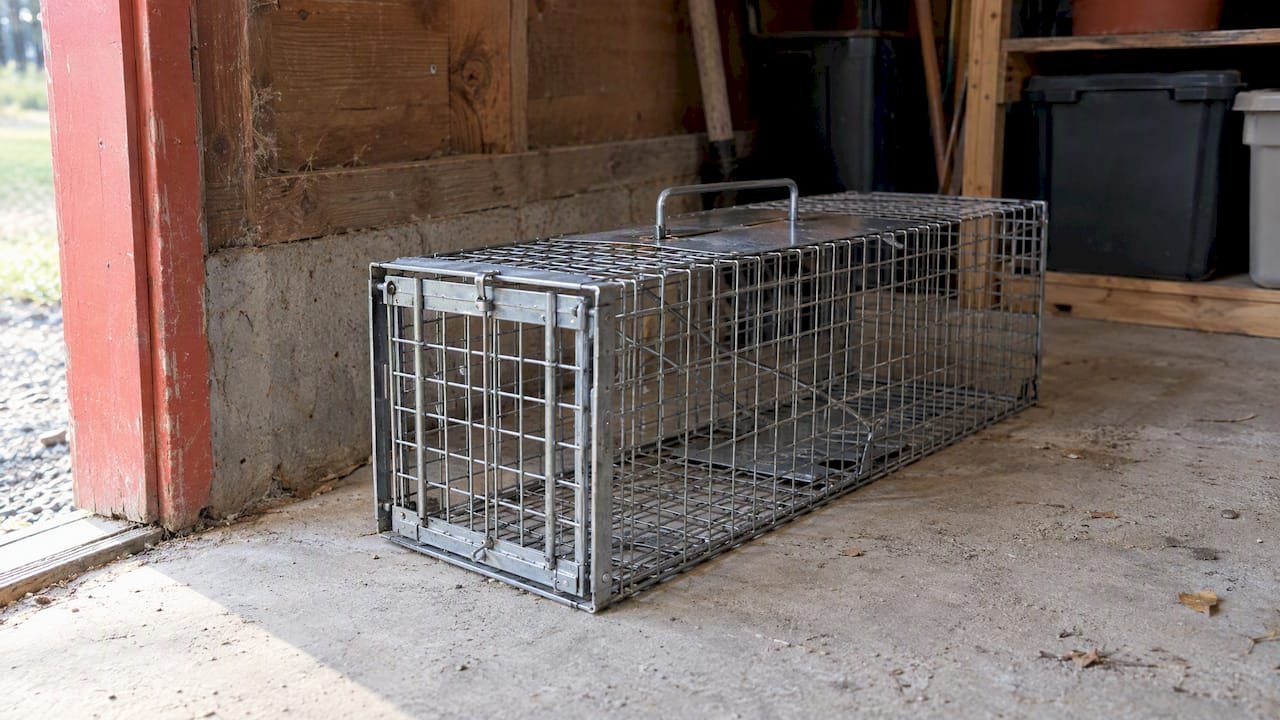
Live cage traps look kinder, but they come with duties. The NSW code says they must be protected from weather and inspected at least daily, because captured animals can suffer exposure, thirst, starvation and shock. Releasing a rat elsewhere usually just moves the problem, and you still need to deal with the entry points.
Glue boards: do not use them
The NSW code calls glue boards inhumane and unacceptable because they cause prolonged distress and injury, and reports that their use is banned in the ACT and Victoria. If a Canberra provider suggests glue traps, choose someone else.
Method 4: Baits and poisons
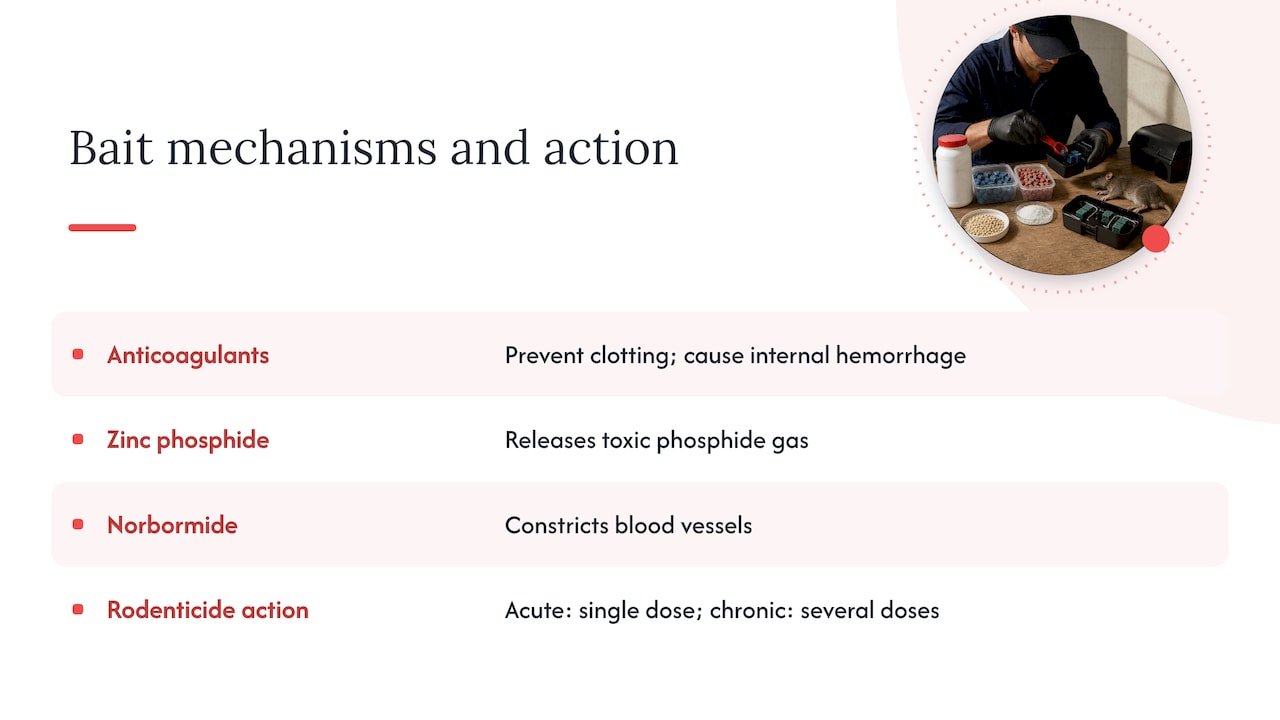
Bait is the usual professional tool for established infestations, because rats eat it and take it back to the nest. Victoria’s technical note explains the main groups. Anticoagulants prevent clotting and cause internal hemorrhage, zinc phosphide releases toxic phosphide gas after ingestion, and norbormide constricts blood vessels. Rodenticides can act after a single dose (acute) or several doses (chronic).
What has changed for anticoagulants
The APVMA decided that current use of second-generation anticoagulant products poses unacceptable risks to non-target animals, including native wildlife. It suspended the registration of those products for one year from 24 March 2026 and moved to declare them restricted chemical products, so they may only be supplied or used under strict instructions. Active ingredients in that group include brodifacoum, bromadiolone, difenacoum, difethialone and flocoumafen.
In practice, the strongest baits are now for licensed users, and what you can buy off a shelf may have changed again by the time you read this. Check the APVMA rodenticides page for the current position.
Why bait carries risk at home
The APVMA warns that rodenticide baits are toxic to people and animals and may cause severe health problems if label directions or permit conditions are not followed. It also says to check the pack for an APVMA approval number. Poisoned rats can be eaten by pets, owls and other wildlife, which is the main reason regulators are tightening access.
If you or a licensed technician use bait, these rules apply:
- Use lockable, tamper-resistant bait stations and keep baits out of reach of children, pets, wildlife and livestock.
- Read the label and safety data sheet first, and follow them exactly.
- Keep products in their original labeled containers, never in drink bottles or food tubs.
- Do not eat, drink or smoke while handling them.
- Record where bait is placed, inspect the stations regularly, and remove bait when activity stops.
- Keep bait away from food and food-handling areas.
These points come from Victoria’s pesticide safety guidance. Throw packs scattered in a ceiling, a method still common in online advice, break nearly all of them, because the bait can fall into insulation, reach pets and leave carcasses in places you cannot reach.
If a pet eats bait, call your vet or the Pet Poisons Helpline straight away rather than waiting for symptoms.
Rat poison versus traps: which one fits your situation?
The NSW Department of Primary Industries says baiting and trapping are the most commonly used lethal techniques, and that the choice depends on location and scale, with cost, humaneness and efficacy considered together. The table below applies that thinking to a typical home.
| Situation | Better fit | Why |
|---|---|---|
| One or two rats seen, no young children or pets near the area | Snap traps in covered boxes | Quick, no poison in the food chain |
| Households with dogs, cats or small children | Traps in enclosed boxes, or professionally managed stations | Bait must be inaccessible, and many pets are curious |
| Kitchens, cafes and food premises | Traps and monitoring | Pesticides are often not accepted in food areas |
| Rats that ignore bait | Traps | Suits individual animals that do not take bait |
| Established colony, repeated sightings, noise in the roof | Professional program with stations, traps and proofing | Trapping alone is limited for larger infestations |
| Rat poison near native wildlife (bushland, nature reserve edges) | Traps first | Reduces secondary poisoning risk |
A useful rule: if you have caught more than a handful of rats in two weeks, you are probably dealing with a colony and a structural problem. That is when more traps stop being the answer.
What does not work
Several “hacks” circulate online. Ultrasonic repellers, scent products and mothballs have little reliable evidence behind them, and mothballs are toxic when used where people live. Cats help at the margins but do not clear a colony. None of these remove the food, water and shelter that hold rats on your property, which is why they tend to fail.
When to call a professional
Call a licensed technician when:
- You hear scratching in the roof or walls at night, or find droppings in the pantry.
- Trapping has caught several animals but signs keep coming.
- You cannot find the entry points, or they are at roof height.
- You manage a cafe, strata building or other commercial premises. NSW guidance says commercial sites benefit from routine professional monitoring because rodents may nest where you cannot see.
- You have pets or children and want bait handled safely.
A good inspection covers the roof void, subfloor, walls, garden and neighboring risks, then produces a plan that combines proofing and removal. For properties that need regular checks, Bugs Patrol’s maintenance plans start at $29.98 per month for Bronze General Pest, with Silver Combined at $55.98 per month and Gold Complete at $79.98 per month. Check the plan page for exactly what each tier covers. If rats are already in the house, go straight to our rodent removal service.
Our perspective on rat control in Canberra
Most callers ask us what to put down. We usually answer with what to close up. In our experience across more than 5,000 Canberra homes, rats return mostly because the entry points, usually at the roofline or around service pipes, were never found, and because the food source was never removed.
Our approach is to inspect first, identify the species and the entry points, then choose the least risky method that will work. In homes with children and pets, that often means enclosed traps and tamper-resistant stations, placed where rats travel and checked on a schedule. We use the same discipline for commercial sites, where integrated pest management means monitoring, proofing and treatment rather than a single visit.
We stand behind our work: our treatments are guaranteed for effectiveness, and licensed, insured technicians do the job. If a method is not the right one for your house, we will say so.
— navin
Book a rat inspection in Canberra
If you would rather not guess, our technicians can inspect the roof, subfloor and garden, find the entry points and start removal, with same-day emergency service available. See the rodent removal page or start at bugspatrol.com.au to book.
FAQ
What is the fastest way to get rid of rats?
Set several snap traps in covered boxes along walls and runs, and remove food and water at the same time. Rats are often caught in a few days when the setup is right. Sealing the entry points afterward is what stops the next group arriving. If you hear them in the roof, a professional can usually shorten the process.
Are rat traps or rat poison better?
Traps suit small problems, food areas and homes with pets. Bait suits bigger infestations but is risky around children and wildlife, and the APVMA warns that label directions must be followed exactly. Neither works for long without proofing.
Are glue traps legal in the ACT?
No. The NSW rodent code reports that glueboard use is banned in the ACT and Victoria, and it describes them as inhumane. Ask any provider you hire to use other methods.
What is the best bait for catching rats in a trap?
Peanut butter is the common choice because it is sticky and rats are attracted to it. In cold weather, a pinch of nesting material such as cotton wool can work well. Use only a pea-sized amount so the rat has to work at the trigger.
Can I use rat poison at home in Canberra?
Only products with an APVMA approval number and only as the label says. Rules on anticoagulant baits have tightened nationally, so check the current APVMA position or ask a licensed technician before buying.
Sources
- Rats and mice, ACT Government
- Rodents: pest control, Victorian Department of Health
- Pesticide Safety Technical Notes: rodents, Victorian Department of Health
- NSW code of practice for the management of rodents, NSW DPI
- Rodenticides, APVMA
- APVMA certifies second-generation anticoagulant rodenticides should be restricted chemical products
- AEPMA Industry Code of Best Practice for Rodent Management
- Clearing rubbish and clutter
Recommended
- Rat in Roof: How to Spot, Remove, and Keep Them Out
- Rats or Mice in Canberra? Why Getting It Wrong Means the Problem Gets Worse
- 12–18 mm Droppings? 5 Places Australian Homes Should Check for Rats
- Rodent Control Removal