In a Canberra office, the first sign of a pest problem is rarely a pest. It is usually a staff complaint about the kitchen, the bin room, or a scratching sound above the ceiling tiles. By then, the issue has had time to spread, and fixing it during business hours can disrupt meetings, deliveries, and daily operations. That is why a preventive schedule matters.
This guide explains how pest control commercial programs are structured for a nine-to-five tenancy in Canberra, and what building management should expect in writing after each visit. We will look at why reactive call-outs cost commercial tenancies more than they appear to, what a preventive schedule covers at a glance, how often a site should be serviced, and which areas need monitoring: kitchens, bin rooms, and ceiling voids.
You will also learn how after-hours access can be staged around tenants, what reporting property managers and tenants receive, how to scope a program for your building, and how to turn that schedule into a standing program. BugsPatrol describes its commercial pest control as licensed, with 12-month warranties and rolling cover.
Why Most Offices Only Call a Pest Manager After a Complaint
Staff complaints are the usual trigger. A sighting in the kitchen, droppings behind a bin, or scratching above a ceiling tile brings the first call, by which point the problem is established and often already moving through shared spaces.
Reactive callouts also compress the timeline. You are asking a provider to inspect, treat and report inside a live business week, with tenants in the building and no time to plan access.
Multi-tenant buildings spread risk fast. Rodents and cockroaches travel risers, ceiling voids and service ducts, so one tenancy’s bin-room issue becomes a whole-floor issue. Food and hospitality tenancies sit at the sharp end of that risk, which is why a documented inspection cycle for Canberra hospitality businesses is worth having in place before it is needed.
A preventive schedule replaces that cycle with a fixed calendar of inspections, monitoring and treatment. That is what pest control for commercial buildings is normally built around.
The commercial case is certainty: known visit dates, a defined list of monitored areas, and a written record showing the building was managed rather than merely treated.
What Reactive Pest Control Costs a Commercial Tenancy
The complaint cycle is only half the story. Reactive pest work lands its cost on the tenancy, not the calendar. Emergency treatments often mean closing a kitchen or breakout area mid-week, relocating staff, or treating occupied floors while desks are in use.
Reputational exposure compounds it. Visible pests, odour or treatment notices in a client-facing office erode tenant confidence, and grievances can reach review platforms within days.
Building managers may carry duty-of-care obligations for occupants under applicable WHS legislation, confirm the current position with the ACT regulator or your WHS adviser.
In practice, reactive work arrives as unplanned invoices, out-of-hours labour and repeat visits; a scheduled program is quoted, predictable and easier to budget. That is where contract terms matter.
Leases and insurance add another layer. Some commercial leases and building policies expect documented pest management, so ask your property manager or insurer what evidence they want kept on file.
What a Preventive Schedule Covers at a Glance
A preventive schedule is easier to compare once you know it has four moving parts: how often the site is serviced, which areas are monitored, how access is arranged around tenancy hours, and what is reported back to management.
Frequency follows site risk rather than a flat rate, which is part of why pest control commercial quotes differ between buildings. A site with a food tenancy, waste room or busy loading dock needs more attention than a low-traffic professional office.
Monitored areas are mapped, not guessed. Kitchens, bin rooms, loading zones, ceiling voids, risers and plant rooms form the core list. This inspection-led logic is where findings drive treatment rather than a fixed routine.
Access is agreed before the first visit: who holds keys or swipe access, what notice tenants receive, and which tasks happen after hours.
Reporting is what separates a program from a treatment: a written record of what was inspected, what was found, what was applied and what is recommended next.
Those four elements shape how each visit is staged around a working day.
Visit Frequency: How Often a Commercial Site Should Be Serviced
Frequency is the first variable to settle, and for most office tenancies the answer is a recurring inspection program rather than a one-off treatment. Providers typically offer recurring cycles, quarterly, bi-monthly or monthly are common options, selected to match site risk rather than applied as a flat rate across every building.
Higher-risk sites pull that frequency up. An on-site cafe, communal kitchen, bin room or busy loading dock typically justifies more visits than an enclosed office floor with no food handling. Canberra’s climate means pest pressure is not constant, ask your provider how seasonal shifts typically affect rodent, fly and ant activity in the ACT and whether visit spacing should reflect that.
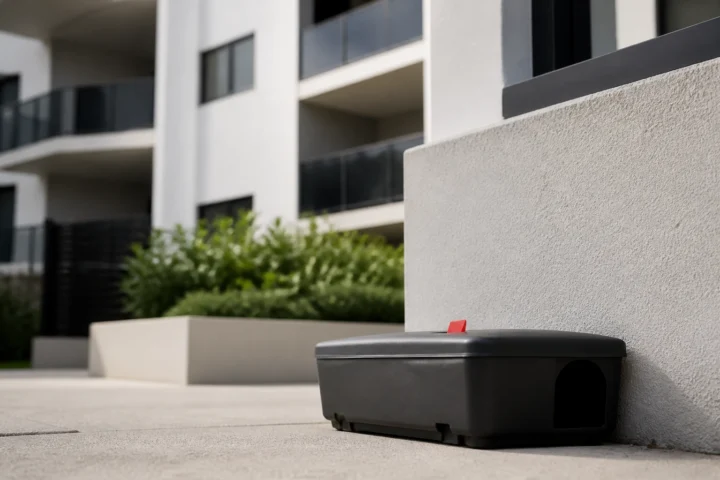
Between-visit monitoring is what makes frequency worthwhile. Tools such as bait stations, traps and glue boards, checked on each round, can reveal activity trends before a tenant notices anything; confirm with the provider which devices they use and how findings are recorded.
Ask for frequency in writing, alongside the areas each visit covers, so quotes from providers offering pest control for commercial buildings can be compared on the same basis.
Treat any stated cycle as typical industry practice rather than a regulatory standard, and confirm what suits your site with the provider during a walkthrough.
Monitored Areas: Kitchens, Bin Rooms and Ceiling Voids
Frequency sets the rhythm; the monitored areas define what each visit actually covers. For a commercial pest control program in a multi-tenant Canberra building, that list is mapped rather than improvised, and the same points are checked every round.
- Kitchens and breakout areas. Typically: under sinks, behind dishwashers, inside cupboard voids and along skirting, where grease and food debris build up out of sight.
- Bin rooms and waste collection points. Usually the highest-pressure zone in a multi-tenant building: bin bays, chutes, compactor areas and the route staff walk to reach them.
- Ceiling voids and risers. Often used as rodent runways above tenancies, where cabling and insulation give cover. Inspection here is what catches activity before it reaches a desk.
- Loading docks, plant rooms and storerooms. Deliveries, stored cardboard and dark equipment spaces that create both harbourage and entry points.
- Perimeter and entry points. Door seals, gaps under roller doors, weep holes and service penetrations, recorded so building maintenance can close them off.
- Monitoring hardware. Ask the provider to secure, label and number monitoring hardware on a site plan, so results can be compared visit to visit.
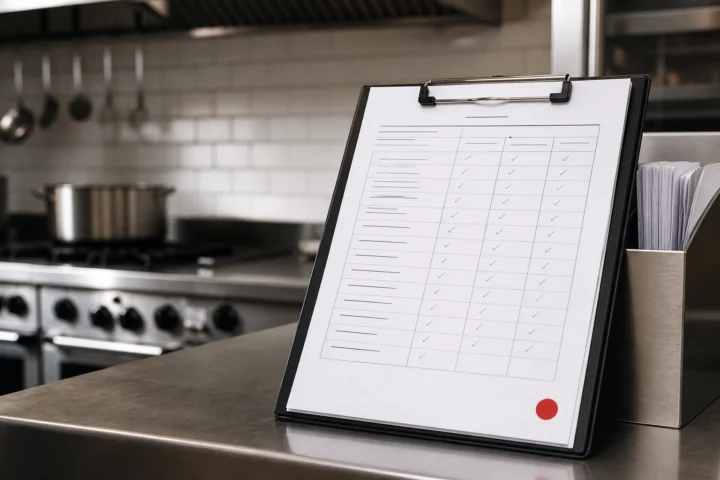
That mapping also underpins any room-by-room inspection checklist you keep for the building. Next, how access is arranged around tenancy hours.
After-Hours Access: Staging Treatment Around a Nine-to-Five Tenancy
With monitored areas mapped, the next question is when a technician can actually reach them.
Corridor, riser and back-of-house inspections can often run during business hours with minimal disruption, provided the route, timing and lift use are agreed beforehand. As a rule of thumb, tasks carrying odour, dust or drying time are normally staged outside tenancy hours, whether early morning, evening or weekend, so desks and kitchens are usable when staff arrive.
Access logistics need a named owner. A nominated building contact, key or swipe arrangements, alarm codes and a written access procedure should be signed off before the first visit. Tenant notification belongs in the same conversation: the notice period, whether it goes out by email or building notice, and where treatment signage is posted.
Occupiers should also be told about re-entry times and any need to clear food surfaces or cover equipment. Ask the provider to confirm re-entry and clearance times from the product label for each task. Understanding what happens on the day of treatment makes those instructions easier to circulate.
Finally, agree an escalation path. If a tenancy refuses access or an area is locked, the missed zone is logged and rescheduled rather than quietly dropped from the program.
What Building Management and Tenants Receive in Writing
Once access rules are settled, the program’s value sits in what lands on the property manager’s desk. Each visit should produce a service report: date, attending technician, areas inspected, findings, treatment applied, products and methods used, and any area that could not be accessed. Alongside it, ask for a site map with monitoring stations numbered on a floor plan, so activity can be compared visit to visit and across tenancies rather than reset each round.
A trend summary by zone turns that data into decisions. Tracking activity in the bin room or a ceiling void over time makes emerging issues visible before a tenant complains. Recommendations should be logged in a register: sanitation fixes, proofing works, storage changes or maintenance jobs, each with a named owner and due date, whether the building or an individual tenant carries it.
Records of what was used and where belong in the building file. Confirm current ACT requirements for pesticide use records and notification with the ACT regulator before treating any retention period as a legal standard. Before appointing a provider, prepare a checklist of questions to ask any commercial pest control provider in Canberra, covering credentials, inclusions, reporting format and contract terms.
Finally, request a short tenant-facing summary or notice. Circulating it shows occupants the building is actively managed, not visited only after something goes wrong.
How to Scope a Program for Your Building
Before a schedule is quoted, walk the site with the provider to cover the areas mapped earlier in this guide. For buyers comparing pest control commercial quotes, it is the only honest baseline; a generic office layout will not match the work the site actually needs.
Then pin down inclusions. Ask what each visit covers and what is charged separately, including callouts, follow-up treatments, proofing works, after-hours labour and the reporting format.
Check credentials directly. Industry bodies such as APCA publish membership and qualification requirements. Check with the ACT regulator for current registration, licensing and trainee permit rules, these details change and should be verified directly.
Match the contract to the building: frequency, monitored areas, access windows, notification rules and a scheduled review point where the program is adjusted.
BugsPatrol is a locally owned Canberra pest control operator based in Throsby, servicing the ACT and surrounding NSW with year-round protection plans, 12-month warranties, rolling cover and easy monthly payments with no upfront fees. A commercial assessment is the practical first step to scoping a schedule for your tenancy.
Next Steps: Turning a Schedule Into a Standing Program
Turn the scoped document into a standing program by locking in five commitments before the first visit.
Map the site and set risk-based frequency in writing (as set out above).
Agree access and notification rules up front (as set out above).
Insist on per-visit reporting (as set out above).
Consider scheduling a program review after the first few months, and at regular intervals thereafter, to adjust frequency as tenancies and waste volumes change.
Then ask BugsPatrol for a commercial assessment and a written preventive schedule covering your building.
Conclusion
A preventive pest program is less about guessing and more about documenting the right scope. Applied together, the steps above turn pest control from a reactive expense into a managed building system. Ask BugsPatrol for a commercial assessment and a written preventive schedule for your building. Start with a report, not a complaint, and make protection part of how your building runs.