$5K+
Avg damage per home
70+
Year lifespan
350 PSI
Bite force
Protected
Under ACT law
If you live in Canberra, you’ve almost certainly heard the distinctive screech of sulphur-crested cockatoos. These intelligent, charismatic birds are a beloved part of the Australian landscape — until they turn their powerful beaks on your property. Cockatoo damage is one of the most expensive and frustrating pest bird problems facing Canberra homeowners, with some properties suffering thousands of dollars in destruction each year.
Sulphur-crested cockatoos have a bite force of approximately 350 PSI — strong enough to crack macadamia nuts, bend sheet metal, and reduce timber railings to splinters in hours. They chew for three primary reasons: beak maintenance (their beaks grow continuously and need wearing down), foraging for insects in timber, and simple curiosity. Once a cockatoo discovers your deck railing is satisfying to chew, it will return daily with its flock mates, and the damage escalates rapidly. Canberra’s expanding suburbs mean more homes are built within cockatoo territory, increasing human-wildlife conflict across the region.
The legal situation adds complexity. All native cockatoos — including sulphur-crested, gang-gang (Canberra’s faunal emblem), and glossy black cockatoos — are fully protected under the ACT’s Nature Conservation Act 2014. It is illegal to harm, trap, or kill them, even on your own property. This means your only options are deterrence and physical property modification to prevent damage. Fortunately, there are highly effective professional solutions available that protect both your property and these remarkable native birds.
Common Cockatoo Damage in Canberra
Timber Decks
High severity
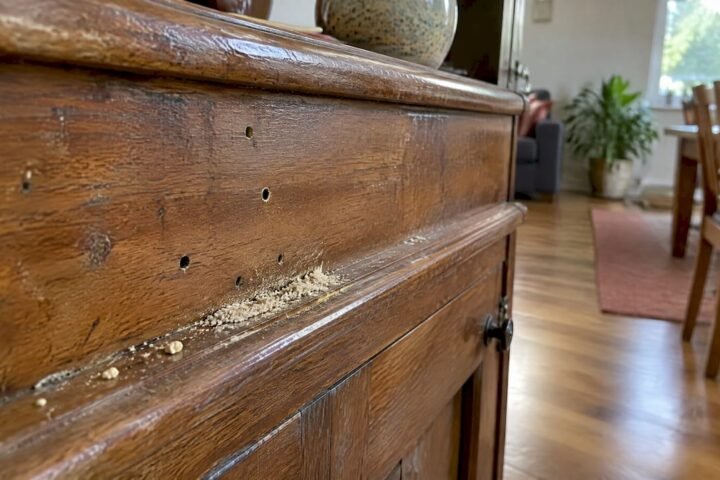
Cockatoos strip timber railings and deck boards, often destroying entire sections overnight
Window Frames
High severity
Timber and even aluminium frames chewed, compromising weatherproofing
Roof & Cladding
Moderate severity
Weatherboard cladding, fascia boards, and rubber roof seals targeted
Solar Panels
High severity
Wiring chewed, panel clips removed, creating electrical hazards
Outdoor Furniture
Low severity
Cushions, umbrella fabric, and timber furniture destroyed
Effective Cockatoo Deterrent Methods
Physical Protection
- Metal edge capping on all exposed timber
- Stainless steel mesh over vulnerable areas
- Anti-chew paint/coating (capsaicin-based)
- Replace timber with composite decking
- Metal flashing on fascia boards and window sills
Behavioural Deterrents
- Motion-activated sprinklers and sound devices
- Reflective tape and spinning visual deterrents
- Remove food sources near the property
- Provide alternative chewing materials away from house
- Consistent deterrent use — cockatoos learn quickly
The most effective approach combines physical barriers with behavioural deterrents. Metal capping alone won’t stop cockatoos moving to the next unprotected timber surface — you need to make your entire property unappealing. Professional cockatoo proofing typically costs $500-$2,000 depending on property size and damage extent, but this is a fraction of the $5,000-$10,000+ that unchecked cockatoo damage can cause over just a few seasons. Many Canberra homeowners find that proactive proofing is the smartest investment they make for their property’s longevity.
Protect Your Property From Cockatoos
Humane, effective cockatoo-proofing for Canberra homes. We protect your property without harming native wildlife.
Still have questions?
The best pest control company will solve your issue for a long time. Bugs Patrol is Canberra’s trusted choice for professional cockatoo damage prevention with lasting results.
Cockatoos Destroying Your Deck?
Don’t wait for more damage. Professional cockatoo-proofing that works — guaranteed humane and effective.
Frequently Asked Questions
They chew to maintain their beaks, forage for insects in timber, and out of curiosity. With 350 PSI bite force, they cause rapid damage.
Yes, all native cockatoos are protected. You cannot harm, capture, or kill them. Deterrence and property modification are the only legal options.
Anti-chew coatings, metal capping, mesh barriers, motion-activated devices, and removing food sources. Combination approaches work best.
$500-$2,000 depending on property size and methods. Significantly less than the $5,000+ in damage they cause if left unchecked.
Most home insurance policies exclude animal damage. Check your policy, but proactive proofing is typically the most cost-effective approach.