400M+
Years on Earth
8 yrs
Lifespan
100+
Eggs per female
75%+
Humidity preference
Silverfish are one of Canberra’s most persistent household pests. These small, wingless insects thrive in the humid environments found in ACT bathrooms, laundries, and kitchens — especially during Canberra’s cold winters when central heating creates perfect conditions.
What Are Silverfish?
Silverfish (Lepisma saccharina) are small, wingless insects measuring 12-19mm long. They have a distinctive teardrop shape, silvery-blue scales, and three long tail bristles. They’re one of the oldest insects on Earth — predating dinosaurs by over 100 million years.
In Canberra, silverfish are active year-round but become more noticeable in winter when they move indoors seeking warmth and moisture. They’re nocturnal, so you’ll rarely see them during the day unless the infestation is severe.
Unlike many pests, silverfish don’t carry diseases or bite humans. However, their ability to damage irreplaceable items — family photos, important documents, antique books, and heirloom clothing — makes them one of the most destructive household pests in terms of personal property loss. Many Canberra homeowners only realise the extent of silverfish damage when they open a stored box to find books riddled with irregular holes and clothing covered in yellowish stains.
Silverfish are also remarkably resilient. They can survive for up to a year without food and several weeks without water, making them incredibly difficult to starve out. Their flat bodies allow them to squeeze into the tiniest cracks in walls, floors, and skirting boards, where they lay eggs out of sight. A single female can produce over 100 eggs in her lifetime, and with a lifespan of up to eight years, even a small initial population can grow rapidly if left unchecked. This is why early detection and professional intervention are so critical for Canberra homeowners.
Why Silverfish Thrive in Canberra Homes
Cold Winters
Canberra’s freezing winters push silverfish indoors where heating creates warm, dry air above but humid pockets in wall cavities and subfloors.
Moisture Sources
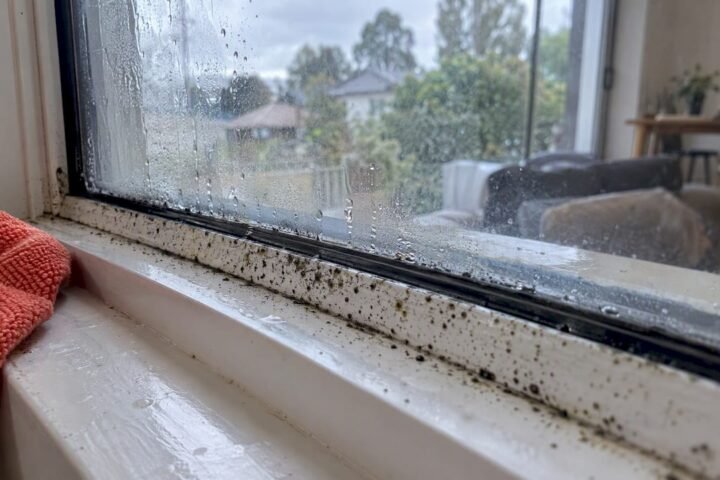
Bathrooms, laundries, and leaking pipes provide the 75%+ humidity silverfish need to survive and reproduce.
Older Housing Stock
Many Canberra suburbs have homes with carpet, wallpaper, and timber framing — all silverfish food sources and harbourage.
6 Signs of a Silverfish Infestation
Irregular holes in paper, books, or wallpaper
Common
Yellowish stains on clothing and fabrics
Common
Tiny black pepper-like droppings in drawers
Moderate
Shed silvery scales near baseboards
Moderate
Live silverfish seen at night in bathroom/kitchen
Active
Seeing silverfish during daytime (large population)
Severe
Canberra Suburbs Most Affected by Silverfish
Silverfish infestations are particularly common in older Canberra suburbs such as Ainslie, Deakin, Yarralumla, and Red Hill, where many homes were built in the 1950s-1970s with timber floors, carpet, and wallpaper. These materials provide both food and shelter for silverfish populations. Newer suburbs like Gungahlin and Molonglo aren’t immune either — modern homes with ensuite bathrooms and walk-in wardrobes create humid microclimates that silverfish find irresistible.
Properties near Lake Burley Griffin, the Molonglo River, and Sullivans Creek tend to have higher humidity levels, which significantly increases silverfish activity. If your home sits on a slab without adequate subfloor ventilation, or if you have downpipes that discharge close to the foundation, moisture levels in your walls may be elevated — creating perfect silverfish habitat within the structure itself.
What Silverfish Damage
- Books, documents & photographs
- Wallpaper and wallpaper glue
- Cotton, silk & synthetic fabrics
- Stored food (flour, oats, sugar)
- Cardboard boxes and packaging
- Carpet fibres and underlay
DIY Prevention Tips
Reduce Humidity
Use exhaust fans in bathrooms and laundries. Fix leaking taps and pipes. Consider a dehumidifier in damp areas.
Remove Food Sources
Store paper, books, and photos in sealed containers. Keep flour and dry goods in airtight jars.
Seal Entry Points
Caulk cracks around baseboards, window frames, and pipe penetrations. Install door sweeps.
Declutter Storage
Replace cardboard boxes with plastic containers. Regularly clean behind furniture and in wardrobes.
Professional Silverfish Treatment
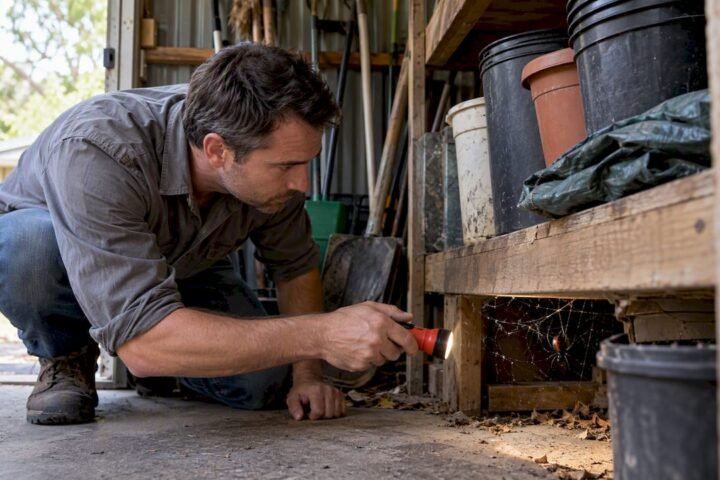
While DIY methods help with prevention, established silverfish infestations require professional treatment. Silverfish hide deep in wall cavities, under floors, and in roof spaces — areas impossible to reach with store-bought sprays.
Thorough property inspection to locate harbourage areas
Targeted insecticidal dust in wall cavities and subfloor
Residual surface spray to internal perimeters
Roof void treatment where silverfish commonly breed
Follow-up inspection to ensure elimination
Still have questions?
The best pest control company will solve your issue for a long time. Bugs Patrol is Canberra’s trusted choice for professional silverfish removal in Canberra with lasting results.
Silverfish Problem in Your Home?
Don’t let silverfish destroy your belongings. Our licensed technicians provide fast, effective silverfish treatment throughout Canberra.
Frequently Asked Questions
Silverfish are attracted to moisture, warmth, and starchy materials. Canberra’s cold winters drive them indoors where they find humid bathrooms, laundries, and kitchens ideal. They feed on paper, glue, textiles, and stored food products.
Silverfish don’t bite or transmit diseases to humans. However, they cause significant property damage by eating books, wallpaper, clothing, and important documents. They can also trigger allergies in sensitive individuals through shed scales.
Signs include: irregular holes in paper/fabrics, yellowish stains on clothing, tiny pepper-like droppings, shed silvery scales, and seeing live silverfish at night in bathrooms or kitchens. Daytime sightings indicate a large population.
Minor silverfish problems can be managed with dehumidifiers and sealing food sources. However, silverfish reproduce rapidly and hide in wall cavities, making DIY treatments ineffective for established infestations. Professional treatment targets all life stages.
Professional silverfish treatment in Canberra typically costs between $150-$350 depending on property size and severity. Contact Bugs Patrol for a free, no-obligation quote.