
$50K
Avg repair cost
1kg/day
Timber consumed
0%
Insurance coverage
1M+
Workers per colony
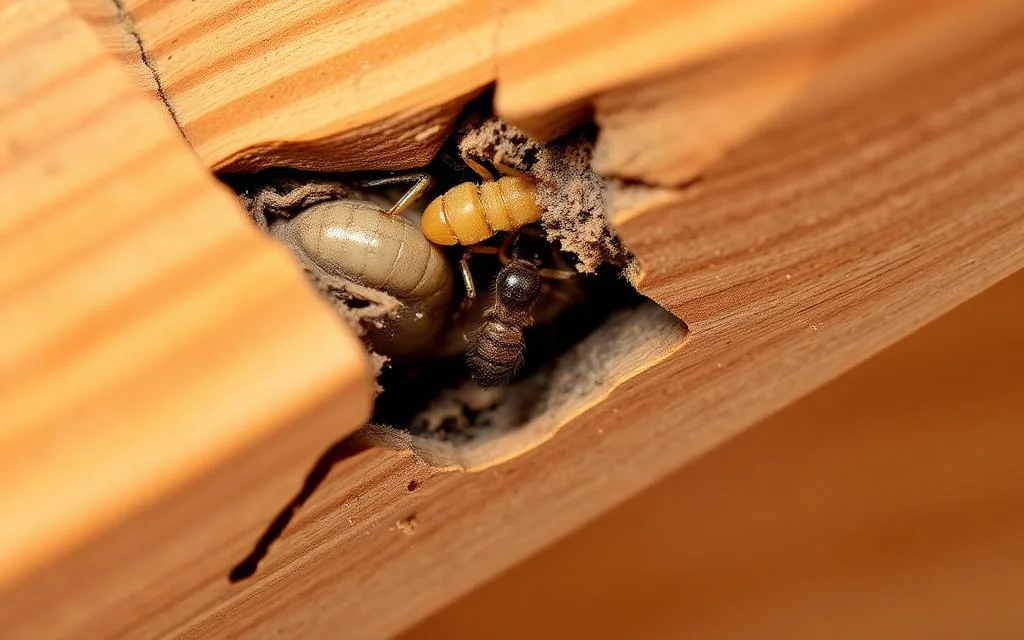
Termite damage is often invisible until it’s catastrophic. These silent destroyers work from the inside out, leaving a thin veneer of paint or surface timber while hollowing out structural elements underneath. By the time you notice visible damage, tens of thousands of dollars in repair work may already be needed.
In Canberra, subterranean termites are the primary threat. They live in underground colonies that can number over one million individuals and travel through concealed mud tubes to reach timber in your home. Unlike drywood termites that leave visible frass, subterranean termites consume timber internally, maintaining the outer layer as a protective shell. This makes early detection extremely difficult without professional inspection equipment — thermal cameras, moisture meters, and acoustic detection devices can identify termite activity inside walls that looks completely normal from the outside.
The tragedy of termite damage is that it’s almost entirely preventable. Annual professional inspections cost $250-$400 and can detect termite activity before any structural damage occurs. Termite barrier systems provide ongoing protection. Yet many Canberra homeowners skip inspections and only call a pest controller when floors are sagging, doors won’t close, or a renovation reveals a wall full of mud tubes and destroyed timber. At that point, the cost of treatment plus repairs can exceed $100,000 — more than the cost of 200 years of annual inspections.
Signs of Termite Damage
Mud tubes on walls or foundations
Pencil-thick brown tubes running vertically. Termites build these as protected highways between soil and timber. Break one open — if termites are inside, the infestation is active.
Hollow-sounding timber
Tap door frames, skirting boards, and window frames with a screwdriver handle. A hollow, papery sound indicates termites have eaten the timber from inside out.
Sagging or buckling floors
Floors that feel spongy or uneven may indicate termites have weakened floor joists and bearers underneath. This represents significant structural damage.
Doors and windows that stick
Termite damage causes timber frames to warp. If doors or windows that previously operated smoothly now stick, check for other termite indicators nearby.
Bubbling or peeling paint
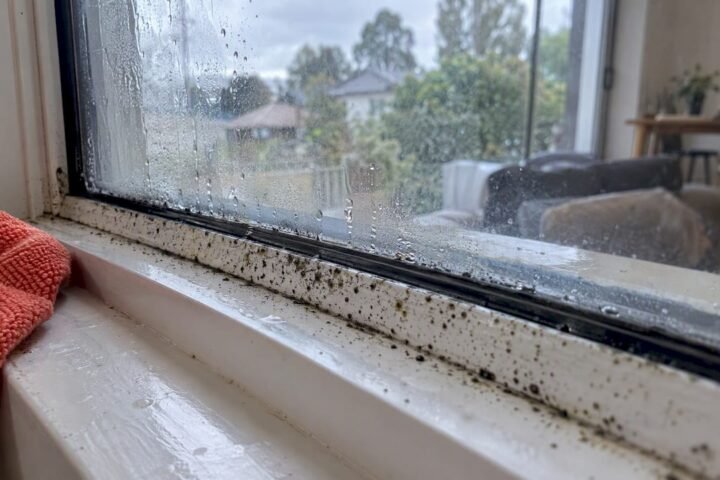
Paint that blisters or peels (without moisture issues) may indicate termites feeding just beneath the painted surface. Often mistaken for water damage.
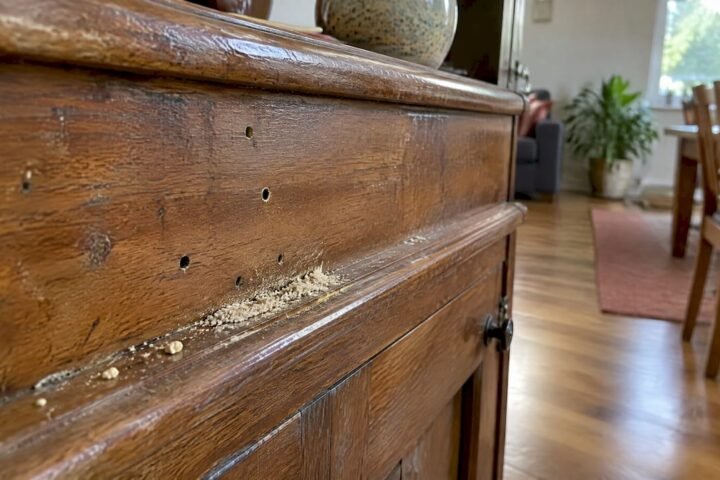
Small holes in timber
Tiny exit holes (1-2mm) with fine powdery frass nearby indicate drywood termites. Less common in Canberra but found in some established homes.
Where to Check for Termite Damage
Inside Your Home
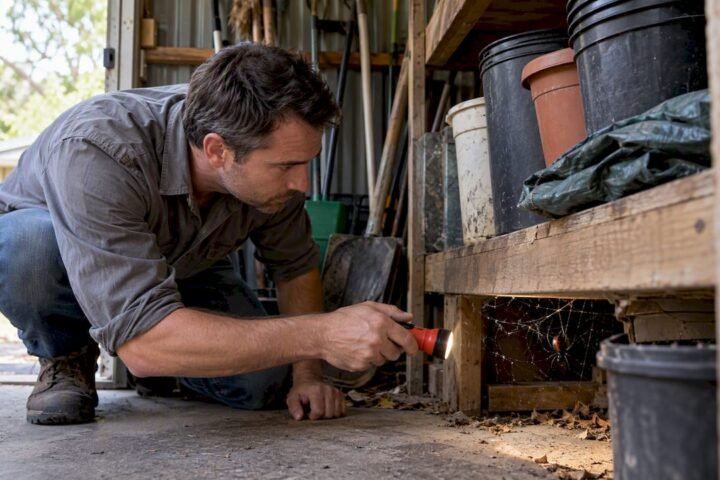
- Door frames and architraves
- Window frames and sills
- Skirting boards (tap with screwdriver)
- Wet areas — bathrooms, laundry, kitchen
- Built-in wardrobes and cupboards
- Subfloor area (if accessible)
Outside Your Home
- Foundation walls (look for mud tubes)
- Garden beds against the house
- Tree stumps within 30m of the house
- Fences, retaining walls, and pergolas
- Stored timber and firewood
- Air conditioning units and hot water systems
Suspect Termite Damage?
Don’t disturb it — call us. Professional inspection with thermal imaging to assess the full extent of activity. Free quotes on treatment.
Still have questions?
The best pest control company will solve your issue for a long time. Bugs Patrol is Canberra’s trusted choice for professional termite damage with lasting results.
Don’t Ignore the Signs
Every day of delay means more damage. Professional termite inspection with thermal imaging for all Canberra homes.
Frequently Asked Questions
Mud tubes on walls, hollow timber when tapped, sagging floors, sticking doors, bubbling paint, and fine frass near timber.
A colony of 1 million workers can consume 1kg/day — equivalent to a house frame in 3-6 months. Damage is hidden until severe.
No. Australian home insurance excludes termite damage. Average repair cost is $50,000+. Prevention is the only protection.
$5,000 for minor damage to $100,000+ for structural compromise. Includes timber replacement, engineering, and treatment.

[…] Bugs Patrol Canberra – Professional Pest Control Services […]
[…] never reaches, so the beetle population keeps developing untouched underneath a treated shell. Inspection details for termite-adjacent damage follow a similar logic. What looks treated on the outside can still be very much alive […]
[…] Readers who want a closer look at what termite damage actually looks like on timber can check the termite damage identification guide for reference photos and practical examples before their own […]