
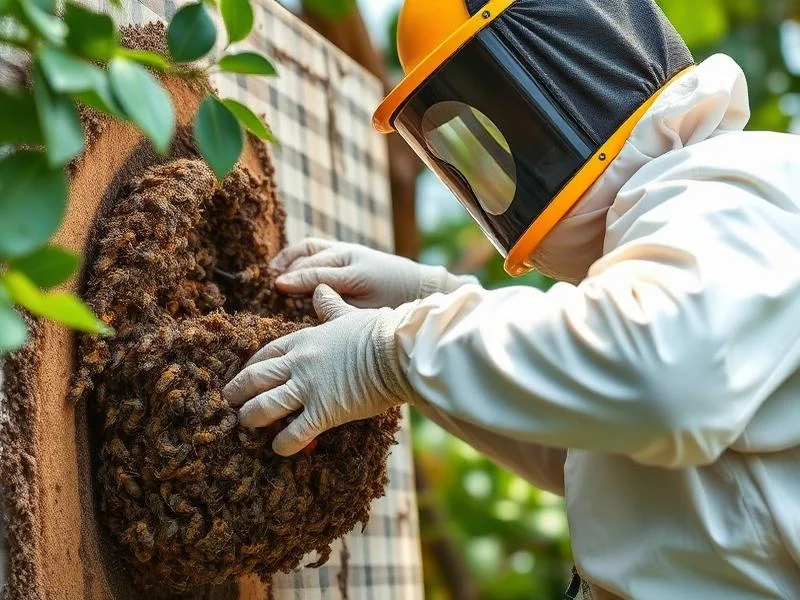
Not all wasps are equal. In Canberra, two species dominate — paper wasps and European wasps — and the difference between them matters enormously for your safety and your response. Paper wasps are native, relatively docile, and actually beneficial for your garden. European wasps are invasive, aggressive, and a genuine health hazard. This guide helps you tell them apart at a glance and know exactly how to respond to each.
Side-by-Side Comparison
| Feature | Paper Wasp | European Wasp |
|---|---|---|
| Body Shape | Slender, narrow waist, long legs | Stocky, compact, shorter legs |
| Colour | Brown/reddish with yellow markings | Bright yellow and black bands |
| Legs in Flight | Long legs dangle visibly | Legs tucked under body |
| Size | 15–25mm | 12–16mm |
| Nest Type | Open, papery, umbrella-shaped | Enclosed, grey, often underground |
| Colony Size | 20–200 wasps | 1,000–10,000+ wasps |
| Aggression | Low — sting only when nest disturbed | High — aggressive near food and nest |
| Sting | Painful, single sting | Painful, can sting repeatedly |
| Food | Caterpillars, insects (predator) | Scavenges meat, fruit, sweet drinks |
| Status | Native — ecologically beneficial | Invasive — declared pest in ACT |
| Removal | Optional for low-risk locations | ALWAYS recommended |
Paper Wasps: The Garden Ally
Australia has over 30 native paper wasp species, and several are common in Canberra gardens. Despite their fearsome appearance, paper wasps are generally non-aggressive and play a valuable ecological role. They’re voracious predators of caterpillars, aphids, and other garden pests, making them natural allies for gardeners.
Paper wasp nests are small (typically 5-15cm), open-faced with visible hexagonal cells, and usually built under eaves, pergola roofing, fence caps, and outdoor furniture. A mature colony rarely exceeds 200 wasps. Paper wasps will sting if their nest is directly touched or knocked, but they rarely pursue or attack unprovoked.
If a paper wasp nest is in a low-traffic area of your property and not causing problems, consider leaving it alone. The colony will die off naturally in late autumn, and the wasps will have spent the season controlling garden pests for free.
European Wasps: The Invasive Threat
European wasps (Vespula germanica) arrived in Australia in the 1970s and have since become one of the country’s most problematic invasive species. In Canberra, they’re now well-established and populations are growing. Unlike paper wasps, European wasps are genuinely dangerous and their nests should always be destroyed by a professional.
European wasp nests are usually built underground — in abandoned animal burrows, garden retaining walls, or compost heaps — or in enclosed spaces like wall cavities, roof voids, and hollow trees. The nest is enclosed in a grey, papery shell and can grow to the size of a basketball or larger. A mature colony can contain over 10,000 wasps.
What makes European wasps particularly dangerous is their behaviour around food. They’re strongly attracted to meat, pet food, sweet drinks, fruit, and rubbish bins. They hover around outdoor dining areas, crawl into drink cans (causing mouth stings), and become increasingly aggressive as summer progresses and food sources diminish.
European Wasp Alert
European wasps can sting multiple times and will pursue for distances of 50 metres or more when their nest is disturbed. A mass attack from a large colony can be life-threatening, even to non-allergic individuals. Never attempt to disturb or remove a European wasp nest yourself.
Reporting European Wasps in Canberra
European wasps are a declared pest in the ACT. If you discover a nest, you can report it to Access Canberra. However, removal is the property owner’s responsibility. Professional pest control is the only safe and effective method for European wasp nest destruction.
If you’re seeing European wasps at your property but can’t locate the nest, a pest control technician can trace their flight path back to the nest location. European wasps fly in direct lines between their nest and food sources, making tracking relatively straightforward for experienced professionals.
Preventing Wasp Problems
- Keep outdoor bins sealed with tight-fitting lids
- Cover food and drinks at outdoor events
- Clean up fallen fruit from fruit trees promptly
- Remove pet food bowls after feeding
- Seal gaps in walls, rooflines, and garden structures where nests could establish
- Set up European wasp traps from October onwards as an early warning system
Spotted European Wasps? Act Fast
Bugs Patrol provides same-day European wasp nest location and removal across Canberra. Don’t risk a sting — let our licensed team handle it safely.
Still have questions?
The best pest control company will solve your issue for a long time. Bugs Patrol is Canberra’s trusted choice for professional wasp identification and control with lasting results.
Frequently Asked Questions
Paper wasps are slender with long dangling legs and build open, umbrella-shaped nests under eaves. European wasps are stockier with shorter legs tucked under the body, bright yellow and black markings, and build enclosed grey nests — often underground. European wasps are far more aggressive and their nests contain thousands of wasps versus dozens for paper wasps.
Yes. European wasps are considered one of Australia’s most dangerous invasive insects. They attack in large numbers when their nest is disturbed, can sting repeatedly (unlike bees), and their venom can cause anaphylaxis in allergic individuals. Nests can contain over 10,000 wasps. They should always be removed by a licensed pest controller.
Small paper wasp nests in low-risk locations may not need removal — paper wasps are beneficial predators of caterpillars and garden pests. However, nests near doorways, play areas, or entertaining spaces should be removed for safety. Paper wasps rarely sting unless their nest is directly disturbed, but their sting is painful.
European wasps have thrived in Canberra due to the availability of food (they scavenge meat, sweet drinks, and fruit), suitable nesting sites (gardens, wall cavities), and limited natural predators. Mild autumns allow some queens to survive winter and establish new colonies earlier, leading to larger populations.

[…] whether what you’re looking at is a paper wasp or something else entirely, a closer look at wasp species identification markers can save you a guessing game before you get too […]
[…] wasp species identification guide for Canberra includes local photo examples if you want to compare before deciding on next […]