Your food licence is one pest sighting away from a closure notice. For Canberra hospitality operators, that is not an exaggeration. Under food safety legislation applicable in the ACT, environmental health officers have the authority to issue immediate shutdown orders when pest evidence is found during a food premises inspection, and reactive pest control simply cannot protect you once that process begins.
Effective hospitality pest control is not about responding to problems. It is about preventing them through a structured, documented program that demonstrates due diligence before an auditor ever walks through your door. Integrated Pest Management, the methodology recognised under Australia’s FSANZ framework, gives food businesses a defensible compliance position by combining scheduled inspections, pest identification, and targeted treatment into a continuous cycle.
This guide covers everything Canberra hospitality operators need to understand about protecting their food licence through proactive pest management. You will learn what a failed inspection actually costs, why reactive pest control leaves you exposed, how the quarterly inspection cycle maps to compliance requirements, what auditors look for, and how to build a documented program that keeps your venue protected year-round.
What an ACT Health Inspection Can Cost Your Food Business
Under food safety legislation applicable in the ACT, environmental health officers can conduct unannounced inspections of any food business and hold the authority to issue improvement notices, prohibition orders, or immediate closure notices where pest evidence is found.
What counts as pest evidence extends well beyond a live sighting. Environmental health officers typically look for droppings, gnaw marks, dead insects, grease trails, and harbourage signs. Inspectors are trained to look beyond live pests. Evidence of past or current pest activity, droppings, gnaw marks, grease trails, or harbourage signs, can contribute to a formal inspection outcome.
A closure notice ends your trading day immediately. But the operational shutdown is only the beginning of the problem. A documented compliance failure creates a regulatory record that follows the premises, influencing how future inspections are risk-rated.
The reputational cost is often the hardest to recover from. A visible closure notice on your front door, or a food safety incident that reaches local news or review platforms, can drive customer loss that outlasts the regulatory consequence by months or years. Canberra’s hospitality market is close-knit, and consistent pest pressure means the risk is not hypothetical.
Understanding what an inspection can cost makes the case for preventing the conditions that trigger one.
Why Calling a Pest Controller After a Sighting Is Already Too Late
Knowing the risks is one thing. The instinct many operators act on, however, is to call a pest controller only after something is spotted. That instinct creates a compliance problem that runs deeper than the pest itself.
By the time a rodent, cockroach, or fly is visible in a commercial kitchen, the infestation cycle is typically well established. A reactive treatment reduces active numbers but does not identify entry points, eliminate harborage zones, or address the conducive conditions that allowed the infestation to develop.
A one-off service also produces a single service record, with no repeating pattern of inspection, identification, and treatment. Those three components define an Integrated Pest Management (IPM) program. Without that pattern, the documentation has limited compliance value, a single invoice dated the week after a sighting tells a damaging story: that no proactive program existed before the problem became visible.
Missing service history is a separate compliance risk from the pest evidence itself. Operators who cannot produce records have no documented evidence of due diligence, regardless of how the premises looks on inspection day.
Continuity also matters operationally. Staff change, seasonal pest pressures shift, and new entry points emerge as premises age. Knowing when to hire a licensed pest controller matters, but a reactive model cannot account for the variables that accumulate between incidents.
What Integrated Pest Management Actually Means for a Food Business
So what does a properly structured program actually look like in practice?
IPM is a three-phase cycle: inspection, identification, and treatment. Those three components must repeat on a scheduled basis. A single visit, however thorough, is not an IPM program, and food safety standards consistently recognise IPM as the accepted methodology for food businesses.
For Canberra hospitality venues, the identification phase carries particular weight. Canberra’s climate produces distinct seasonal shifts in pest activity. Aligning each quarterly visit with a seasonal transition means each service addresses the most relevant pressure window rather than applying a generic treatment on an arbitrary schedule.
Critically, identification determines treatment, not the other way around. A qualified technician assesses pest species, infestation severity, and likely entry or breeding points before selecting any treatment method. Applying a generic solution before completing this step is reactive thinking dressed up as a program.
Documentation is what separates IPM from a service call. Every visit under a structured program produces a written record covering findings, treatments applied, recommendations made, and any follow-up actions required. That paperwork is the compliance asset, it demonstrates a pattern of proactive management, not just a response to pressure.
How the Quarterly Inspection Cycle Maps to Compliance Requirements
Scheduling visits at intervals that reflect how pest pressure actually shifts across the year makes the IPM framework practical.
A quarterly inspection cycle is widely used by hospitality operators to align pest management with seasonal pest pressure and to build a consistent compliance record. One visit per season means each service addresses the specific risk window it falls in, rather than applying a generic treatment on an arbitrary schedule.
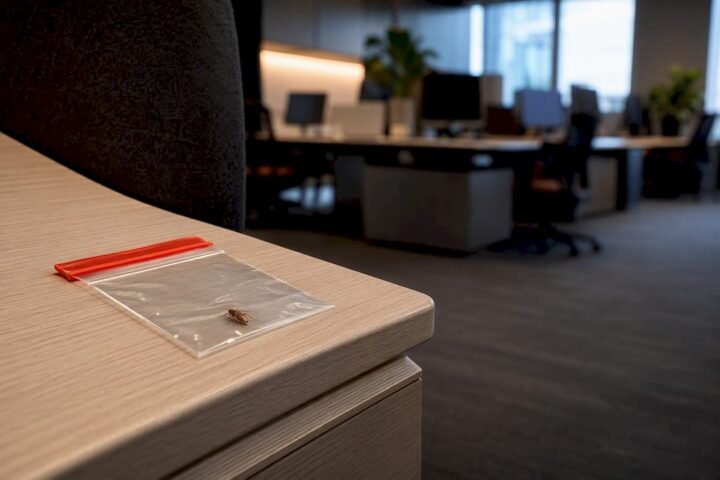
Each visit must do more than apply treatment. A quarterly service should include a full premises inspection, written findings, photographic evidence of monitoring station status, and a signed service report retained by the operator. These documents carry weight in the same way a professional termite inspection in Canberra produces a formal written record supporting future decisions and due diligence. Food safety regulators consistently look for proactive management over time, not a single treatment logged after a complaint, that compliance history is what separates a proactive program from a reactive call-out.
Quarterly frequency also strikes the right regulatory tone. Four visits satisfies the IPM cycle requirement of inspect, identify, treat, and review without signalling an unmanaged problem.
Store every service report alongside your food safety plan and staff training records, in a dedicated folder that can be produced immediately during an unannounced inspection.
What ACT Health Auditors and Environmental Health Officers Look For
Knowing what to store in those quarterly service reports matters only if you understand what inspectors are actually checking when they arrive.
Environmental health officers assess two things simultaneously: physical evidence of pest activity and the operator’s documented systems for preventing it. A spotless kitchen with no pest management program on file is still a compliance risk. Absence of live pests is necessary; proof of a proactive program is equally required. As noted earlier, that compliance history is what separates a proactive program from a reactive call-out.
A formal pest management plan should identify:
- The licensed provider engaged to deliver the service
- Service frequency and the pests being managed
- Corrective action protocols for activity detected between scheduled visits
This is not a formality. A plan without these specifics has limited value under scrutiny.
Service reports from a licensed pest management company carry substantially more regulatory weight than handwritten bait station logs or records of off-the-shelf product use. Professional documentation demonstrates species-specific identification, treatment rationale, and qualified oversight. DIY records do not.
Consistent with the approach taken by food safety regulators, the operator retains full responsibility for ensuring the premises is free from pest risk. Engaging a licensed and certified pest management professional does not transfer that duty, but it does generate documented evidence that you discharged it.
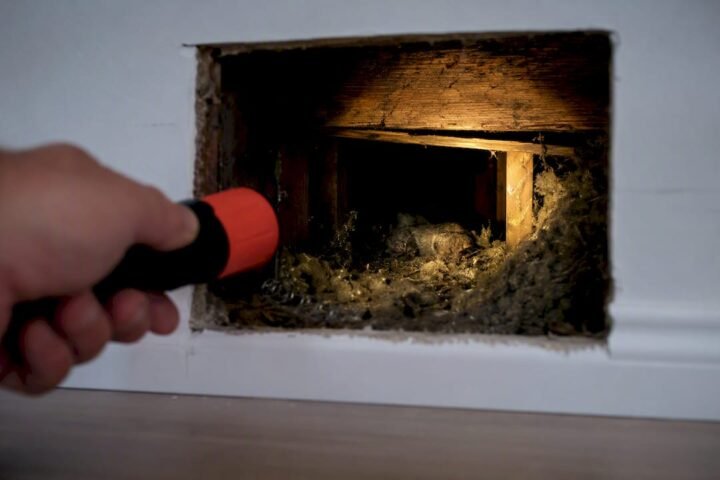
Inspectors also routinely check storage areas, grease traps, waste management zones, and roof voids. These are areas operators commonly miss between professional visits, and they require specialist access, identification skills, and equipment to assess properly.
How to Set Up a Documented Pest Management Program for Your Venue
Knowing what auditors look for is one thing; having the paperwork to prove it is another. Here is how to build a program that holds up.
Step 1: Engage a licensed commercial pest control provider. Confirm the operator holds a current pest management licence and carries public liability insurance. Hospitality environments carry specific risks that general domestic experience does not address. Understanding why hiring a licensed technician beats guesswork matters before you sign any service agreement.
Step 2: Commission an initial site assessment. A thorough assessment maps pest pressure points across your entire premises, including kitchen infrastructure, waste storage, loading docks, cool rooms, and any adjoining tenancies. This baseline determines what your program needs to manage, not what a generic template assumes.
Step 3: Agree on a written pest management plan. The plan should specify service frequency, pests covered, treatment methods, and the exact format of service reports issued after each visit. A quarterly inspection cycle is widely used by hospitality operators to align pest management with seasonal pest pressure and to build a consistent compliance record. A verbal agreement has no compliance value.
Step 4: Build an internal record-keeping system. Create a dedicated folder, physical or digital, to store every service report, site map, and corrective action correspondence. These documents are your evidence of due diligence during any unannounced inspection.
Step 5: Brief your venue or kitchen manager. Staff need to know who to call if pest activity appears between visits, what to photograph or record, and how to protect affected food stock without disturbing evidence.
BugsPatrol provides commercial pest control services across Canberra, with documented quarterly programs designed to support hospitality operators in meeting their food safety compliance obligations.
The Pests Most Likely to Trigger a Compliance Issue in a Canberra Kitchen
Knowing which pests your program must manage is just as important as having the program itself. These four categories account for the majority of compliance flags raised in Canberra food businesses.
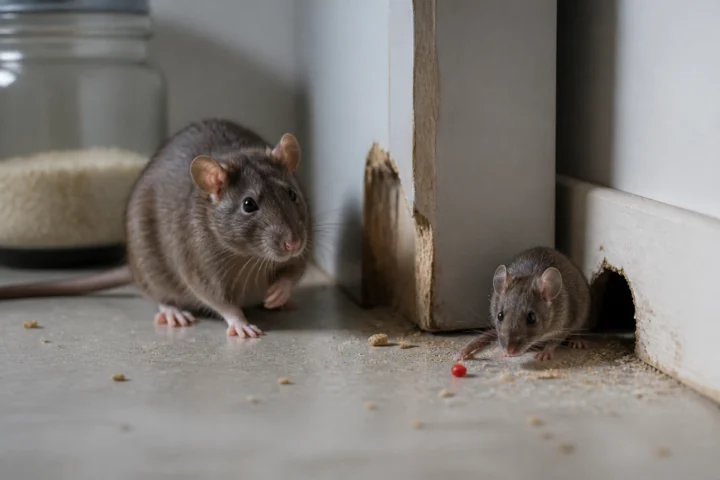
Rodents (rats and mice) create the highest inspection risk. Gaps in building fabric, cool room entries, and loading dock areas are common entry routes. Rodent droppings on food contact surfaces or in storage areas are among the most serious pest indicators an inspector can observe.
German cockroaches are among the most commonly encountered commercial kitchen pests. They thrive behind cooking equipment where heat and moisture concentrate, reproduce rapidly, and show reduced susceptibility to many over-the-counter treatments. By the time they are visible, the population is already established.
Flies are a direct food contamination risk and an immediate compliance flag. Venues with outdoor dining or waste storage adjacent to kitchen entries face elevated exposure, particularly through summer. Inspectors treat fly activity in food preparation zones as evidence of a systems failure, not an isolated event.
Stored product pests (weevils and pantry moths) can enter premises through incoming deliveries as well as through structural gaps, making delivery area checks a useful interim control. They can establish in dry storage before any visible sign appears. Quarterly inspections that cover stock rotation areas intercept these early.
Each pest requires distinct identification and treatment methods. A generic application addresses none of them adequately, which is why a species-specific IPM program from a licensed Canberra pest management provider carries significantly more compliance weight than an off-the-shelf response.
Keeping Your Venue Compliant Between Scheduled Pest Control Visits
A professional pest management program does the heavy lifting, but what happens between scheduled visits matters too. These five operational habits close the gap.
Keep waste contained and remove it daily. Sealed bins and daily removal of organic waste from kitchen areas eliminate the primary attractant that draws rodents, cockroaches, and flies in the first instance. This single habit reduces pest pressure more than most reactive measures.
Check monitoring stations weekly. If your provider has installed bait stations or glue boards, inspect them each week and log any activity in a dated record. A simple notebook entry is sufficient; the point is producing a written trail you can hand to an environmental health officer on request.
Report sightings between visits immediately. Do not wait for the next scheduled visit. Contact your pest management provider as soon as any evidence is observed, many structured service agreements provide for inter-visit callouts, and a prompt written response becomes part of your compliance record.
Inspect deliveries at the point of receipt. Check incoming stock, cool room entries, and loading dock areas each time goods arrive. Stored product pests and rodents can enter premises through incoming deliveries as well as through structural gaps, making delivery area checks a useful interim control.
Build pest awareness into your food safety induction. Every food handling staff member should know what pest evidence looks like and have a clear process for reporting it. Staff training is a documented operational control; recording it strengthens your compliance position if a finding is ever made against the premises.
Protect Your Food Licence With a Program, Not a Panic Call
All the between-visit disciplines covered above only hold up if a professional program is running underneath them.
A quarterly inspection cycle is widely used by hospitality operators to align pest management with seasonal pest pressure and to build a consistent compliance record, one that a reactive panic call never can.
The cost of a structured program is predictable and budgetable. The cost of a closure notice or a publicised food safety incident is not. Operators who treat pest management as overhead are measuring the wrong risk.
BugsPatrol works with Canberra hospitality businesses to deliver fully licensed commercial pest control with structured quarterly programs, written service reports after every visit, and direct support between scheduled appointments. The focus is compliance documentation, not just treatment. A site assessment is the right place to start, mapping your specific pest pressure points, kitchen infrastructure, waste zones, and entry points is what makes a program defensible under inspection.
Conclusion
Your food licence is only as secure as the program protecting it. Food safety regulators are not looking for a receipt from your last emergency callout; they are looking for documented evidence of ongoing, proactive pest management. A quarterly inspection cycle builds that evidence. Integrated pest management addresses the conditions that attract pests, not just the pests themselves. And a written service record after every visit gives you a defensible compliance position that a reactive approach simply cannot provide.
The cost of a structured program is predictable. The cost of a closure notice, a compliance finding, or a food safety incident is not.
If you operate a hospitality venue in Canberra, the time to act is before a sighting forces your hand. Book a site assessment with BugsPatrol and build a pest management program your food licence can rely on.