The clearest signs of rats are fresh droppings around 12 to 18 millimeters long, gnaw marks and holes near 80 millimeters wide, greasy rub marks along walls, and scratching noises after dark. One sign alone can mean a single visitor, but several together, or any daytime sighting, usually point to an established population that needs professional attention soon.
TL;DR:
- Seeing rat droppings measuring 12 to 18 millimeters or large gnawed holes around 80 millimeters indicates a serious infestation needing professional intervention.
- Greasy rub marks and worn runways along walls or pipes reveal ongoing rat movements and entry points, especially when multiple signs appear during the day.
- Differentiating rats from mice based on droppings, hole sizes, and body features is crucial to choosing effective exclusion and trapping methods.
- Immediate actions include sealing gaps larger than 20 millimeters, storing food tightly, and removing outdoor debris to reduce attractants until a technician can assess.
- A professional inspection covers roof voids, subfloor areas, and exterior perimeter, focusing on entry points and ongoing contamination, with follow-up visits to confirm resolution.
Table of Contents
- What to look for during a home inspection
- Rats versus mice: how to tell them apart
- Where rats hide and how to check safely
- Health risks and how urgent the situation really is
- What to do right now, and what to avoid
- Long-term prevention and proofing that actually works
- What years of inspections reveal about homeowner mistakes
- Booking a licensed technician for rodent control
- FAQ
- Sources
What to look for during a home inspection
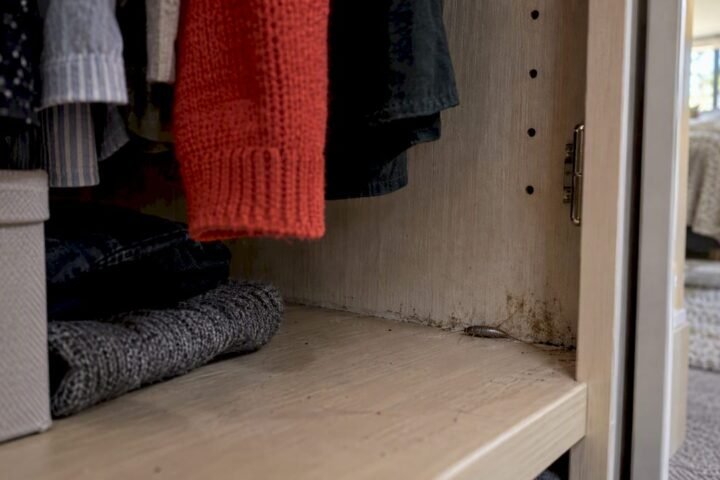
Droppings are usually the first thing people notice. Rat droppings are black, moist when fresh, and measure 12 to 18 millimeters long, typically clustered in pantries, behind appliances, along skirting boards, or near nesting sites. Older droppings dry out and turn gray, which can help you judge how long rats have been active.
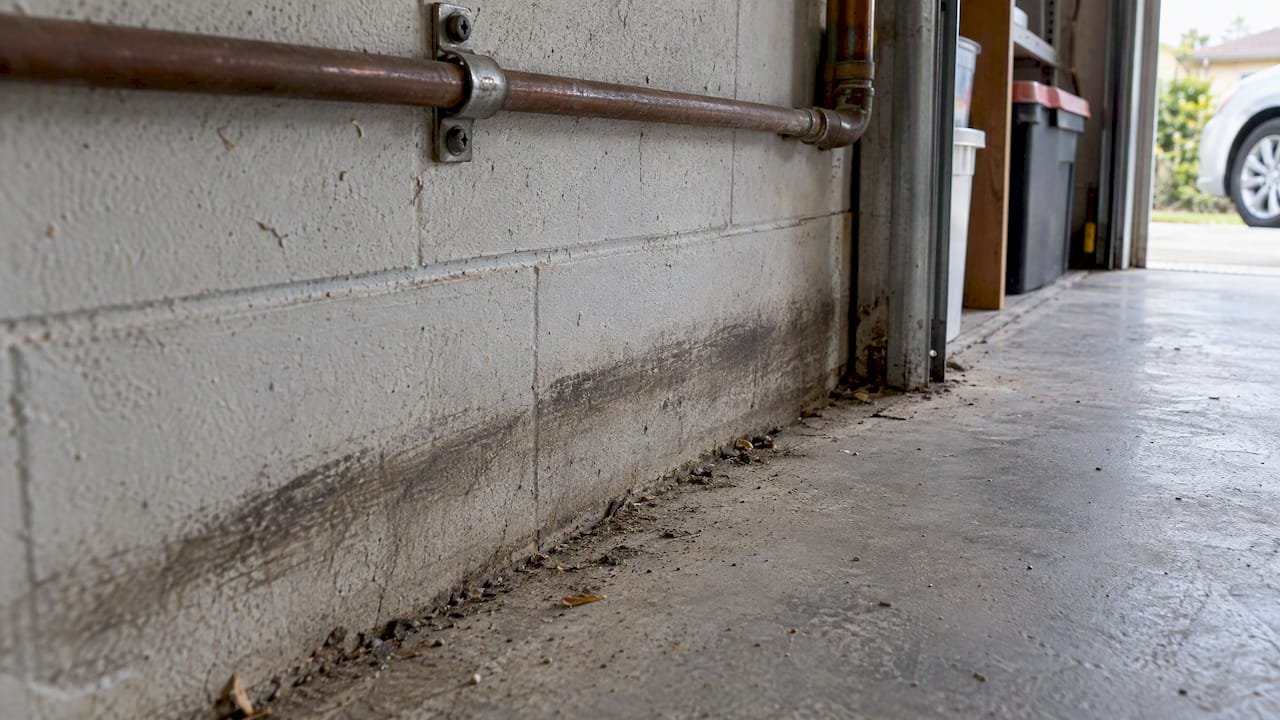
Greasy rub marks form along the same routes rats travel night after night, since their fur carries oil and dirt that smudge onto walls, pipes, and beams at floor or ceiling height. These marks, along with worn runways in dust or insulation, often reveal exactly where rats enter and exit a building, a detail technicians rely on heavily during inspections.
Gnaw marks show up on wood, plastic conduit, insulation, and even electrical wiring, since rats need to wear down their incisors constantly. Fresh gnawing looks pale and rough, while older marks darken with grime.
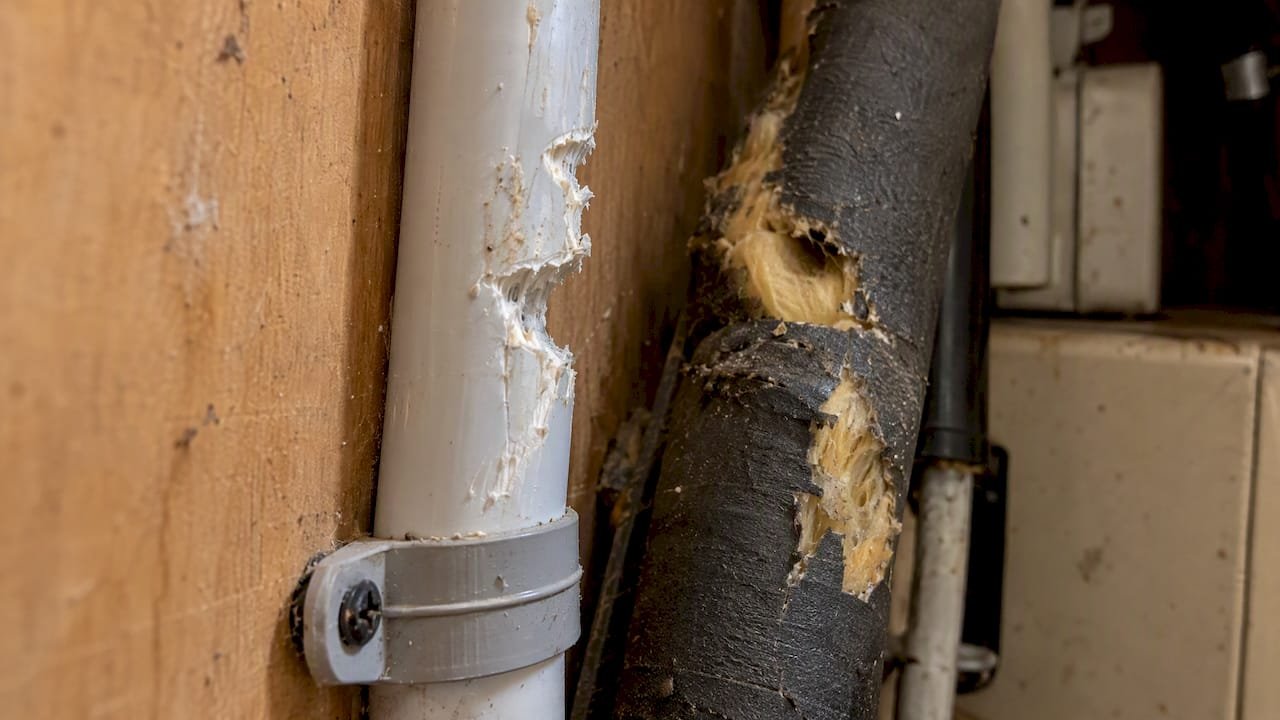
Holes and burrows are another giveaway. Rat-gnawed entry holes measure about 80 millimeters across, noticeably larger than the roughly 20 millimeter holes mice leave, according to Victoria’s health department. Outdoors, look for burrow openings near foundations, sheds, and compost areas.
Noises are often the first clue before any visible evidence appears:
- Scratching or scurrying in walls or ceilings, usually between dusk and early morning.
- Gnawing sounds concentrated in one spot over several nights.
- Faint squeaking from roof voids or wall cavities.
Footprints and tail-drag marks on dusty surfaces, or in soft soil near burrows, can confirm activity when droppings are scarce.
Rats versus mice: how to tell them apart
Getting the species right changes how you respond, since exclusion gaps, bait placement, and trap sizing differ between the two.
- Droppings: rat droppings run 12 to 18 millimeters, while mouse droppings are only about 3 to 4 millimeters.
- Entry holes: rats gnaw holes near 80 millimeters in diameter, compared with roughly 20 millimeters for mice.
- Feeding traces: rats tend to leave scattered crumbs and messier packaging damage, while mice nibble small, cleaner holes.
- Body size: Norway rats and roof rats both grow noticeably larger than house mice, with thicker bodies and longer tails relative to their size.
Misidentifying the pest leads to wasted effort, since smaller mouse-proofing gaps will not stop a rat and vice versa.
Where rats hide and how to check safely
Rats favor dark, undisturbed spaces close to food and water, both inside and around the perimeter of a property.
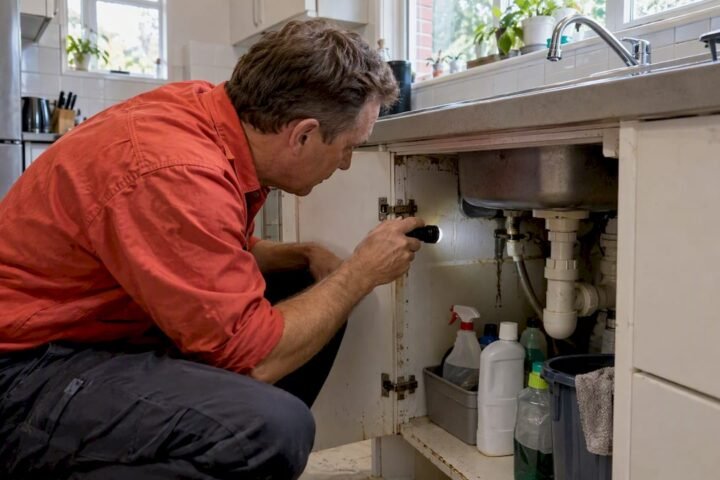
- Check pantries, under sinks, and behind the oven or fridge where crumbs and warmth collect.
- Inspect roof voids, subfloor areas, and the backs of built-in cupboards for droppings or nesting material.
- Walk the exterior along fence lines, under concrete slabs, around woodpiles, compost bins, and shed bases.
- Wear gloves during any inspection and avoid dry-sweeping droppings, since disturbed dust can carry bacteria into the air.
- Photograph anything you find before cleaning it up, since clear images help a technician judge severity without a second visit.
Health risks and how urgent the situation really is
Rats can contaminate food and surfaces with droppings and urine and are linked to diseases such as leptospirosis, which is why public-health guidance treats any confirmed sign as something to act on quickly rather than monitor. Daytime sightings, heavy droppings in multiple rooms, chewed electrical cabling, or a pet suddenly falling ill are all signals that warrant same-week professional help rather than a wait-and-see approach. Until help arrives, avoid direct contact with droppings, ventilate affected rooms, and clean hard surfaces with a standard household disinfectant.

What to do right now, and what to avoid
A few sensible steps limit the problem while you arrange an inspection.
- Remove accessible food sources and store pantry items in sealed rigid containers rather than bags or boxes.
- Secure outdoor bins with tight-fitting lids and clear fallen fruit or scraps daily.
- Trim back vegetation and move woodpiles away from exterior walls.
- Temporarily plug obvious gaps with steel wool or metal flashing until a technician can complete permanent proofing.
- Avoid agricultural-grade baits indoors, avoid handling droppings without gloves and a mask, and leave any gnawed wiring to an electrician rather than testing it yourself.
Pro Tip: Keep a simple log of when and where you spot droppings, noises, or gnaw marks. It gives a technician a faster, more accurate read on the infestation’s size and likely entry points.
If the damage involves roof-space guano or contaminated insulation rather than fresh rodent activity, a specialist resource like this guide on attic contamination cleanup explains when that kind of material needs professional handling instead of a DIY clean.
Long-term prevention and proofing that actually works
Environmental modification, removing food and shelter, is the most reliable way to keep rats from returning once an active problem is resolved, according to guidance from the ACT Government. A short routine keeps most homes rat-free long term.
- Store pet food in sealed containers and avoid leaving bowls out overnight.
- Empty and secure household bins regularly, and clear fallen fruit from the yard.
- Seal gaps larger than typical mouse-sized openings around pipes, vents, and foundations with steel mesh or sealant, since even small openings can allow rodents through.
- Fit door sweeps and repair any holes near 80 millimeters or larger immediately, since these match the size rats actively gnaw open.
- Keep woodpiles and compost bins away from exterior walls and trim overgrown vegetation that offers cover along fence lines.
- Book a periodic inspection or maintenance plan, particularly before seasonal activity picks up in cooler months when rats move indoors seeking warmth.
What years of inspections reveal about homeowner mistakes
Daytime sightings almost always mean more than a lone rat. Field reports consistently link daytime activity to larger populations or an unusually reliable food source nearby, not a bold individual. Technicians typically start by mapping rub marks and runways before touching bait or traps, since that mapping shows the real entry points and avoids wasted chemical use. The most common mistake homeowners make is treating one visible sign in isolation instead of checking the roof void, subfloor, and perimeter together.
— navin
Booking a licensed technician for rodent control

A professional visit typically costs less in wasted time than months of trial-and-error traps, since it starts with a full inspection rather than guesswork about where rats are actually living. We focus on finding entry points first, then matching treatment and exclusion work to what we find, with a follow-up to confirm the problem is actually resolved.
- A full inspection covering roof voids, subfloor areas, and the exterior perimeter.
- Targeted control suited to the species and severity identified on site.
- Exclusion advice and proofing recommendations to prevent repeat activity.
- A follow-up check to confirm the treatment held.
If you want a one-off visit, our rodent removal service covers inspection through treatment, and our rodent pest removal page outlines what to expect from the appointment itself. For ongoing coverage alongside general pests, the Bronze General Pest plan runs $29.98 AUD per month, and the Gold Complete plan at $79.98 AUD per month bundles broader protection for homes that want fewer repeat callouts.
This article is general information, not a substitute for advice from a qualified doctor. Consult a qualified healthcare professional about your own circumstances before acting on anything here.
FAQ
How do you know if there are rats in your house?
Look for black droppings 12 to 18 millimeters long, greasy rub marks along walls, gnawed holes near 80 millimeters wide, and scratching noises at night. Finding two or more of these signs together, or seeing a rat during daylight, usually means an active infestation rather than a single stray visitor.
My apartment has mice. What should I do?
Mice leave smaller droppings, around 3 to 4 millimeters, and smaller gnawed holes near 20 millimeters, so confirming the species first helps target the right response. Seal obvious gaps, remove accessible food, and arrange a professional inspection if droppings or noises continue after a week of cleanup.
Can house rats climb walls?
Yes, both Norway rats and roof rats are capable climbers, and roof rats in particular often travel through roof voids and wall cavities rather than staying at ground level. This is why scratching noises are frequently heard in ceilings as well as floors.
If I only see one rat, does that mean there are more than one?
A single sighting at night does not confirm a large population, but a sighting during daylight hours often signals higher numbers or an abundant food source nearby. Checking for droppings, rub marks, and gnaw damage in multiple rooms gives a more reliable picture than a single sighting alone.
Sources
- Rats and mice | City of Ryde
- Rodents – pest control | Health.vic
- Rats and mice | ACT Government
- Rats and mice prevention and control | SA Health