If you spot a single mud tube early, or you are simply clearing timber and mulch away from the slab, termite treatment diy can be a sensible first move. But if termites are active in your ACT home, the stakes change fast. Store-bought sprays and consumer baits may address what you can see, while the colony and its entry points behind walls can remain untouched. They also leave you without the paperwork that warranty providers, buyers, and lenders often expect.
This guide gives beginners a clear, practical comparison. You will learn whether you can treat termites at home in the ACT, when DIY is genuinely reasonable, and why store-bought sprays and consumer baits fail on an active infestation. We then explain what a licensed termite treatment does differently, compare liquid barriers with baiting systems, and show why documentation matters in the ACT. You will also get a side-by-side DIY vs licensed comparison, signs that it is time to stop and call a specialist, and answers to common questions about termite treatment diy. DIY has its place. An active colony does not.
Can You Treat Termites at Home in the ACT? A Straight Answer
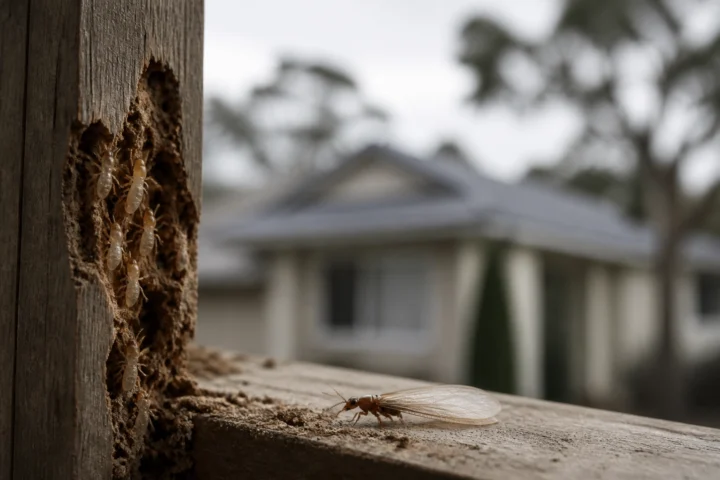
Yes, with limits. If you find a single mud tube early and no other signs, that is a monitoring job you can handle. If termites are already working inside the structure, no. An active infestation means live termites in damaged timber, fresh wet mud tubes, swarmers or discarded wings, or timber that sounds hollow when tapped. A dry tube from last season is different: watch it, do not treat it.
If you searched “termite treatment DIY” or “termite treatment at home”, you will not get a sales pitch here. You will get a decision framework: where DIY genuinely works, why sprays and baits cannot clear a colony behind walls or under the slab, what a licensed treatment adds, and why paperwork matters in the ACT.
Canberra and surrounding NSW homes are typically slab-on-ground or double-brick, which hides activity. In the ACT, termite documentation carries real legal weight at sale or refinance, so know what you are taking on. Termite Treatment Options: What Canberra Homeowners Need to Know explains the licensed methods.
When DIY Termite Treatment Is Genuinely Reasonable
DIY has a genuine place, and it is narrow. A single mud tube found early, with no damaged timber, no swarmers and no second tube anywhere else on the property, is a defensible spot for a store-bought product, though hardware store bait stations have clear limits.
Preventive tidying costs nothing and works: clear timber, firewood, mulch, cardboard and stored goods away from the slab edge, fix leaking taps and downpipes, and improve subfloor ventilation.
Monitoring is a legitimate DIY job. Check weep holes, garden beds, retaining walls and fence lines monthly, and learn to distinguish a mud tube from a spider web or wasp nest. Date and photograph anything you find, so a licensed inspector starts from evidence rather than a description.
State the limit plainly: one tube with no other signs is a monitoring job, not a treatment job. It stops being DIY the moment a second tube appears or any timber is damaged. Past that point, the problem is no longer visible to you.
Why Store-Bought Sprays Fail on an Active Termite Infestation
A single tube is a monitoring job. An active infestation is a different problem entirely. A surface spray kills the termites you can see and reach. That is a fraction of a colony that can number around 200,000, according to WA Government guidance. The nest itself sits in soil, inside wall cavities, under the slab or in concealed timbers, none of which a retail spray can reach.
Killing foragers does not kill the queen producing them; the Victorian Government notes she lays thousands of eggs a year. Survivors of a sublethal dose are also observed to avoid treated surfaces and reroute, which is why a new tube often appears weeks later somewhere else. If you have sprayed the perimeter of a new Gungahlin or Molonglo home and watched ants return within days, the pattern is familiar. It feels like the product worked at first because the visible activity stopped.
Retail sprays also leave no lasting residual barrier in the soil, so once dry, nothing stands between the same colony and the same entry point. And a store-bought product generates no inspection report, treatment record or certificate for a buyer, lender or insurer.
Next, why consumer bait kits struggle even more.
Why Consumer Baits Do Not Reach the Colony
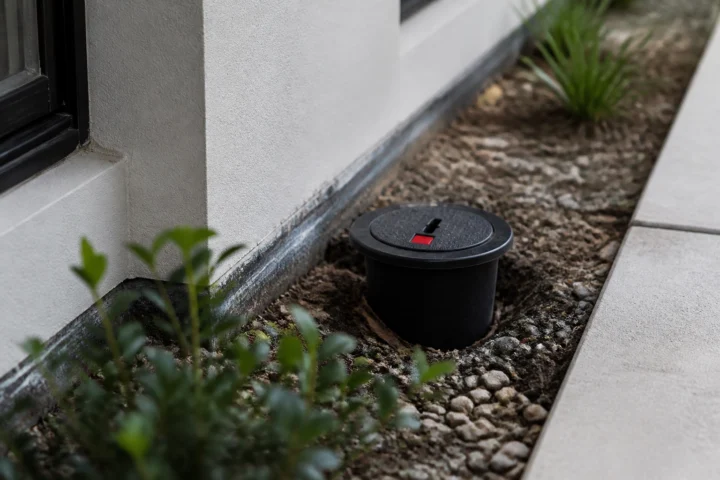
Baits invert the spray model: foragers carry a slow-acting agent back and pass it on through feeding and grooming, so the colony dies from the inside. Termite baiting guides describe that delayed transfer, the same principle behind how ant bait works.
That delay is why home kits struggle. They hold little active ingredient and go where you can reach, rarely where the colony forages. Used at the wrong density, in the wrong place, or abandoned after a few weeks, a kit feeds a handful of termites and changes nothing.
Professional baiting is a monitored program measured in months, with stations checked and re-baited as the colony feeds. University of California research notes monitoring is labour-intensive and that damage may appear months after bait stations go in.
The University of Nebraska comparison of baits with chemical soil barriers, via the APCA resource page, details how the two professional methods differ in speed, coverage and failure modes. Treat kits as vendor products, not neutral evidence: a home kit cannot reveal whether one colony or several are feeding.
What a Licensed Termite Treatment Does Differently
Professional treatment is not a bigger version of the same kit. A licensed technician inspects the whole structure, not just the spot you found: subfloor, roof void, slab edges, garden beds, retaining walls, fences, decks and neighbouring structures that could be feeding the colony. See the full scope of a professional termite inspection in Canberra.
Entry points and colony extent come first. Method follows construction type, soil, moisture and activity level, not whatever is on the shelf.
BugsPatrol states it provides termite control using liquid barriers and baiting systems for residential and commercial customers across the ACT and surrounding NSW. It is locally owned and operated from Throsby, fully licensed, and offers 12-month warranties plus year-round protection plans on easy monthly payments, no upfront fees and rolling cover.
Training backs the licence. APCA, an industry body describing its own accreditation, states its members must hold a TAFE or APCA pest control certificate plus extensive field experience.
DIY cannot produce the last part: scheduled follow-up monitoring, re-inspection, and a written record of what was applied, where and when.
Liquid Barriers vs Baiting Systems: The Two Licensed Options
The method a licensed technician recommends depends on your block. Liquid soil barriers create a treated zone in the soil around and beneath the structure, so termites cross it on their way in. They suit properties where the perimeter can be accessed and trenched.
Baiting systems place in-ground and above-ground stations carrying a slow-acting agent that foragers carry back to the colony. They suit situations where soil treatment is impractical, or where ongoing monitoring is the priority.
Neither is set-and-forget. Barriers are re-treated and bait stations checked on a schedule, which is what year round protection means in practice. For background reading, the guidance linked from the APCA resource page covers chemical soil barriers, baiting and physical barriers, while University of Nebraska material compares baits with chemical soil barriers technically. Once a treatment is in place, knowing how to read a termite inspection report helps you follow what each visit found.
The right option comes down to construction, soil and activity level, never to preference.
Why Termite Documentation Matters in the ACT
Only licensed work generates paperwork that protects your asset.
A termite barrier certificate is required by law to be provided in certain circumstances. In a 2017 ACT case involving properties built in 2015, two Crace and Casey homeowners could not sell or refinance without it. The pest controller was fined $14,000, at $7,000 per offence, for failing to provide two barrier certificates, against a stated maximum of $37,500 per offence for a company.
That case concerned new-build barrier certificates, not DIY treatment. It shows documentation carries real legal and financial weight in the ACT.
A DIY record cannot substitute. There is no certificate of treatment, no method and chemical detail, and no compliance record for a building inspector, lender or insurer. Buyers and lenders want substantiated paperwork.
Pest and weed control operator licensing sits with Access Canberra, so confirm current requirements with them before relying on any licensing detail.
Newer Canberra homes may already have a termite reticulation system, and existing records change what a future inspection needs.
DIY vs Licensed Termite Treatment: Side by Side
This table compares the two options across the differences that matter.
| Aspect | DIY spray or bait | Licensed treatment |
|---|---|---|
| Coverage (what is treated) | Termites you can see and reach | The colony and the entry points behind walls and under the slab |
| Colony treatment (the nest itself) | None; visible workers die, the nest continues | A targeted method after inspection, such as a liquid soil barrier or baiting system |
| Monitoring | Ad hoc | Scheduled inspections and re-treatment |
| Documentation | None a buyer or lender accepts | An inspection report and treatment certificate |
| Cost | Cheaper per unit, but a missed colony, repeat treatment and paperwork gaps cost more | Quoted after assessing property size, construction and activity |
DIY suits a single mud tube found early, plus preventive tidying. Licensed treatment suits active activity, multiple tubes, damaged timber, swarmers, or any pre-sale or pre-purchase situation.
If your situation matches the second column, read why licensed technicians handle what DIY can’t and visit our termite control service page to book an inspection.
When to Stop and Call a Licensed Termite Specialist
Use the table as a triage tool. For termite treatment DIY, these are the stopping points. Book a licensed inspection immediately if you find more than one mud tube, live termites inside damaged timber, swarmers or discarded wings, or floors and skirting that sound hollow when tapped.
Call also if you sprayed and activity has reappeared elsewhere, or you cannot tell whether a tube is active or old and dry.
Before any sale, purchase, refinance or building inspection, call. ACT documentation requirements make DIY a dead end in those situations.
Call if the property had a previous treatment and you hold no records for it. Method, chemical and date all affect what happens next.
One plain rule: a single old dry tube with no other signs means keep monitoring. Anything else means book an inspection.
FAQs About DIY Termite Treatment
If you are still weighing termite treatment DIY against a licensed inspection, start here.
Can I treat termites myself at home?
Yes for a single mud tube found early, or for prevention. No for an active colony already inside the structure, because store-bought sprays and baits cannot reach the nest.
Do store-bought termite sprays kill the colony?
No. They kill only the termites you can see and reach. Survivors avoid the treated surface and reroute, so fresh tubes often appear elsewhere weeks later while the infestation continues.
Will DIY termite treatment void my warranty or insurance?
DIY leaves no licensed certificate. Warranty and insurance terms vary, so check your policy and the provider’s terms directly rather than assuming either outcome.
How much does a licensed termite treatment cost in the ACT?
Costs vary, so no figure is quoted here. Price depends on property size, construction type, treatment method and the extent of activity. Ask a licensed provider for a written quote.
Conclusion: DIY Has Its Place, Active Colonies Do Not
DIY termite treatment has a narrow, legitimate place: one mud tube found early, plus preventive tidying around the slab. It is not a fix for an active colony.
Three structural limits explain why. Sprays and baits contact only the termites you can see and reach. The colony and its entry points sit behind walls, under slabs and in concealed timbers. And DIY leaves no inspection report, treatment record or certificate.
A licensed treatment adds the rest: a full structure inspection, targeted treatment of the colony and entry points, scheduled monitoring, and paperwork that carries real weight in the ACT.
If you are seeing more than one tube, damaged timber or swarmers, book a licensed inspection. BugsPatrol is a locally owned Canberra (Throsby) operator servicing the ACT and surrounding NSW with termite control using liquid barriers and baiting systems, 12-month warranties, and year round protection plans on monthly payments with no upfront fees. Always verify current ACT licensing requirements with Access Canberra, and confirm warranty terms directly with the provider before relying on them.