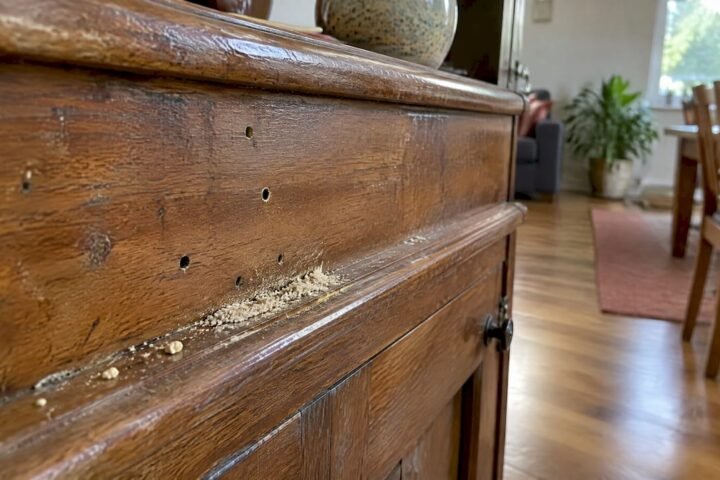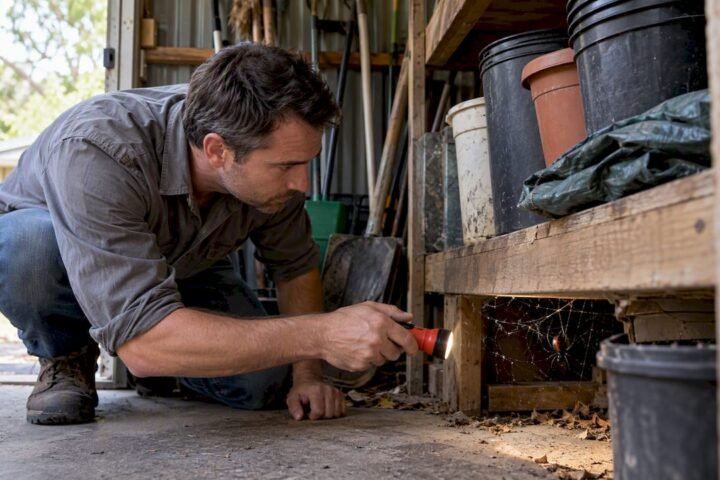
Small dark specks that look like ground pepper or coffee grounds usually mean German cockroaches; larger, ridged, cylindrical pellets with blunt ends point to bigger species like American cockroaches. Either way, the droppings carry allergenic proteins linked to asthma flare-ups, so your first move matters.
- Photograph the droppings with something for scale nearby.
- Don’t sweep, vacuum, or blow them with compressed air yet.
- Keep kids and pets away from the area until you’ve read the cleanup steps below.
Key Takeaways
Cockroach droppings signal an active infestation when fresh, dark material keeps reappearing in the same spot after cleaning, and safe identification plus proper cleanup protects both your health and your evidence trail.
| Point | Details |
|---|---|
| Identify by size and shape | German roach droppings look like pepper specks; larger species leave ridged, blunt cylindrical pellets. |
| Document before you clean | Photograph with a scale nearby and note the date and room before disturbing anything. |
| Treat cleanup as a health task | Dampen the area and HEPA-vacuum instead of dry-sweeping, which can spread allergenic dust. |
| Confirm activity with monitoring | Recheck cleaned spots at 24 hours and seven days for returning fresh droppings. |
| Call in backup when it escalates | Bugspatrol’s licensed technicians trace harborages and treat sources when droppings persist or reach HVAC or wall spaces. |
Table of Contents
- How to Identify Cockroach Droppings by Size and Species
- Where Do Roach Droppings Usually Show Up?
- Why Cockroach Droppings Are More Than Just Gross
- How to Clean Up Cockroach Droppings Safely
- Are Roach Droppings a Sign of an Active Infestation?
- What Happens During a Professional Cockroach Inspection?
- Sources
How to Identify Cockroach Droppings by Size and Species
Cockroach feces vary depending on species, and correct identification helps determine the appropriate response. German cockroaches, a smaller species common in kitchens, leave very small droppings. They look almost exactly like ground black pepper or used coffee grounds, and because these roaches live in large groups, the specks tend to pile up densely in one spot rather than scatter.
Larger species, including American and Oriental cockroaches, leave cylindrical pellets with blunt, rounded ends and visible ridges running along the sides, somewhat larger than those from smaller species. Where moisture is present, roaches also leave smear marks, brownish grease-like streaks along walls or cabinet edges where their bodies brushed against a damp surface repeatedly.
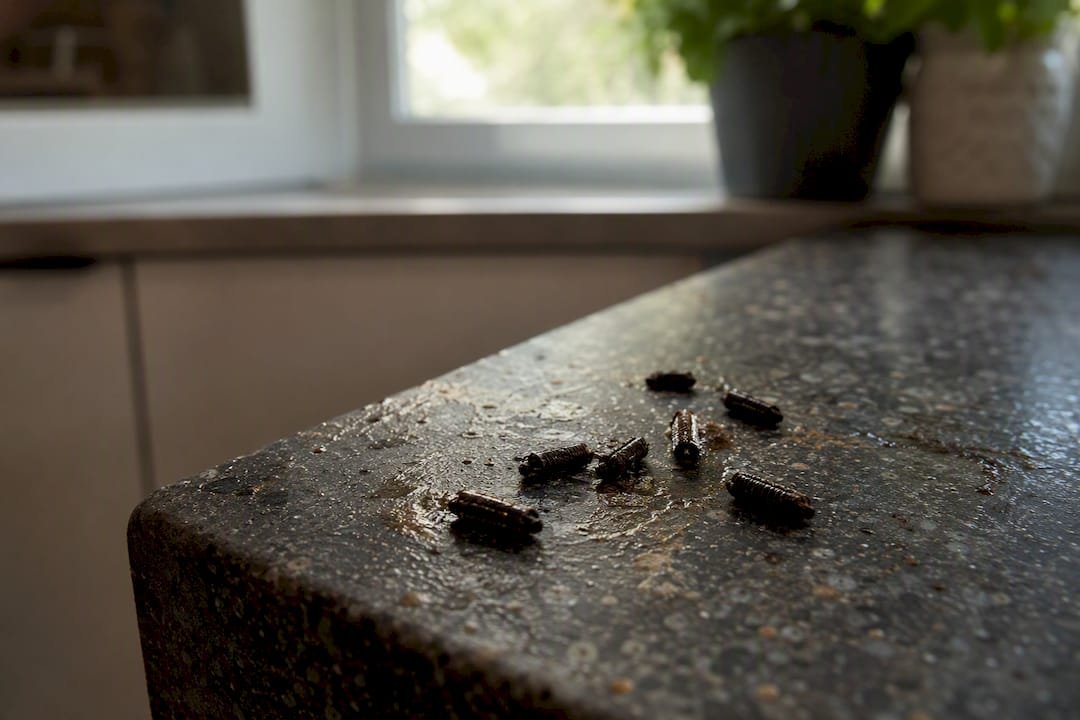
Age changes the picture too. Fresh droppings tend to look darker and slightly moist or glossy, while older material dries out, lightens, and crumbles more easily when disturbed, though color alone is an unreliable indicator. That’s a rough guide, not a lab test, pest management sources note that photographic documentation and monitoring give a far more reliable read on active infestation than judging color alone.
To document evidence properly:
- Place a ruler or coin beside the droppings, never on top of them.
- Take a clear, well-lit photo from directly above.
- Note the exact location, room, and date in your phone.
- Leave the sample undisturbed until you’re ready to clean or a technician has seen it.
Pro Tip: Save each photo in a dated folder on your phone. If droppings reappear in the same cabinet a week later, that side-by-side comparison tells you more about ongoing activity than any single photo ever could.
Where Do Roach Droppings Usually Show Up?
Roaches leave evidence close to where they eat, drink, and hide, which makes certain spots far more revealing than others.
- Inside kitchen cabinets, especially near the back corners and hinge areas.
- Along drawer tracks and the underside of drawers.
- Behind and underneath refrigerators, stoves, and dishwashers, where motor heat and condensation attract them.
- Inside sink cabinets, around plumbing penetrations, and near floor drains.
- On appliance motors and compressor housings.
Climbing species will also leave marks on elevated surfaces, upper cabinets, ceiling corners, and the tops of pantry shelves are worth a flashlight check. A tight cluster of droppings near one appliance almost always points to a single, nearby harborage. Droppings scattered across multiple rooms usually mean a larger colony or more than one nest. Sticky traps placed in suspect areas and rechecked after a few days confirm whether the activity is current.
Why Cockroach Droppings Are More Than Just Gross
Cockroach droppings aren’t merely unpleasant. Droppings, shed skins, and saliva all contain proteins that act as allergens, and Victoria’s health department specifically warns that this material can trigger or worsen asthma, particularly in children and anyone with existing respiratory sensitivity.
Cockroach body parts and waste also rank among the more common indoor asthma triggers identified by public health authorities, alongside dust mites and pet dander.
There’s a second risk beyond allergies. Roaches pick up bacteria like Salmonella and E. coli while foraging through garbage and drains, then track it back to countertops and food-prep surfaces, carrying contamination risk well past the visible mess. Disturbing dried droppings by sweeping or vacuuming without a HEPA filter can also kick allergenic dust into the air you breathe, which is exactly why isolating the area, ventilating carefully, and gearing up before cleanup matters more than most homeowners assume.
How to Clean Up Cockroach Droppings Safely
Cleanup technique determines whether you’re removing a health hazard or spreading it around your kitchen. Before touching anything, gather basic protective gear: disposable gloves and a surgical mask for light contamination, stepping up to an N95 respirator if the area is heavily soiled or if anyone in the household is immunocompromised or asthmatic.
- Lightly dampen the affected area with water or a mild detergent solution, never dry-sweep or use compressed air.
- Run a HEPA-filter vacuum over the dampened area to lift residue without dispersing dust.
- Wipe down the surface thoroughly with detergent and hot water.
- Bag porous items that can’t be cleaned, cardboard, open food packaging, paper liners, and discard them sealed in a double bag.
- Launder any contaminated clothing or linens separately from the rest of your wash.
Surface matters here. Sealed tile and laminate clean up easily with detergent and water, but unfinished wood can absorb moisture and stain, so use a barely damp cloth rather than a soaked one. Never introduce liquid into appliance motors, electrical outlets, or wiring voids, vacuum those areas dry or leave them for a technician.
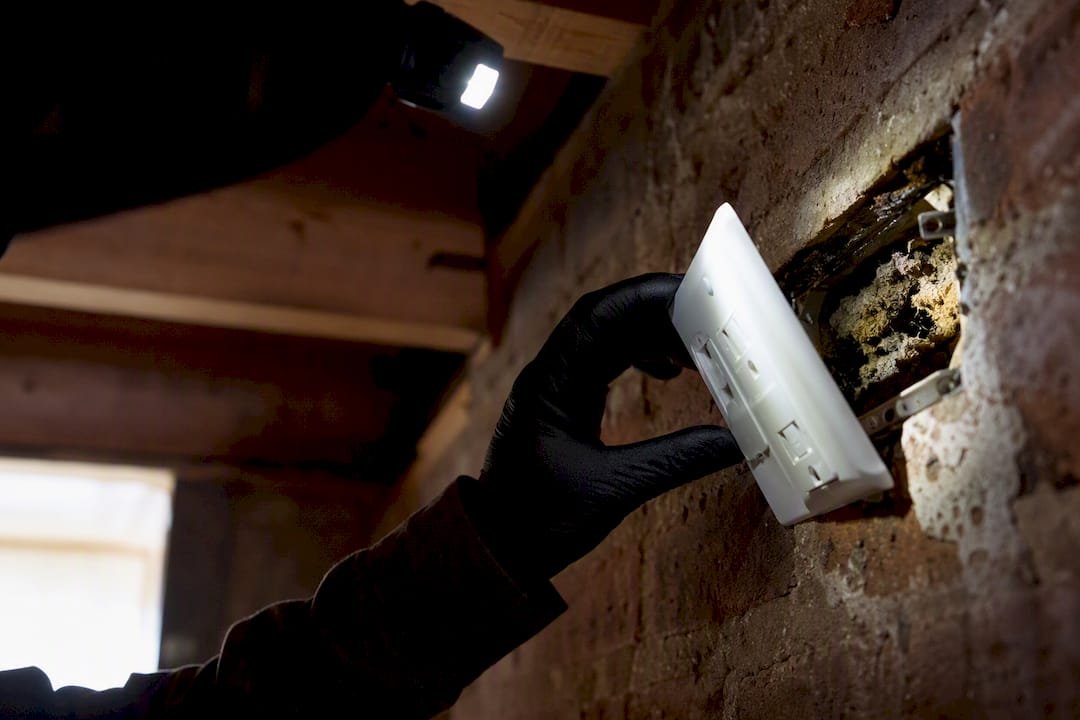
Pro Tip: If droppings show up inside a wall void, behind an outlet, or anywhere near HVAC ductwork, stop and call a professional. That’s contamination you can’t fully reach or clean on your own, and pushing moisture into electrical components creates a separate hazard entirely.
Are Roach Droppings a Sign of an Active Infestation?
Old, dried, and undisturbed droppings that don’t reappear after cleaning suggest a past problem, possibly from a previous occupant or a now-resolved leak. Fresh, dark droppings that keep showing up in the same spot after you’ve cleaned it tell a different story. So do live roaches spotted at night, egg cases (oothecae) tucked into corners, and shed skins scattered near a harborage.
A simple two-step monitoring check works well here: recheck the cleaned area after 24 hours, then again after seven days. Persistent fresh droppings at either checkpoint point to ongoing activity that needs treatment, not just cleanup.
In the meantime:
- Set sticky monitors along walls and inside cabinets near suspected activity.
- Apply targeted gel bait behind appliances or inside cabinet voids, never directly on food-prep surfaces.
- Remove standing water and exposed food, roaches need very little of either to sustain a population.
- Seal obvious gaps around pipes, baseboards, and appliance cutouts.
Call a licensed technician when fresh droppings keep returning, when they’re spread across several rooms, when a household member has asthma or a compromised immune system, or when you suspect contamination inside HVAC ducts or wall insulation. Before that visit, gather your dated photos, a list of every affected room, a rough timeline of when you first noticed droppings, and notes on anything you’ve already tried.
What Happens During a Professional Cockroach Inspection?
A licensed technician does more than spray a baseboard. Expect a systematic check of harborages, plumbing penetrations, and appliance voids, tracing travel routes back to the nest rather than just treating where droppings are visible.
- Monitors placed strategically to confirm which species and how many are present.
- Targeted baiting and treatment plans matched to the infestation’s scale.
- Follow-up visits to confirm the treatment held and allergen exposure has actually dropped.
- Extra care around homes with kids, pets, asthma, or HVAC involvement, where the goal is control without added chemical exposure.
A quick note on what trips people up most
The single most common mistake is sweeping droppings away the moment they’re spotted, out of instinct or embarrassment, before taking a photo or leaving a monitor down. That erases the diagnostic clues that would otherwise tell you (or a technician) how bad the problem really is. My advice: photograph first, drop a dated sticky monitor nearby, then clean using the damp-and-HEPA method or call in help if the signs point that way.
— navin
Book an Inspection Before Droppings Become a Bigger Problem
Once droppings keep reappearing or show up in more than one room, DIY monitoring only tells you the problem exists, it doesn’t solve it. Bugspatrol’s licensed technicians handle that next step: tracing harborages back to their source, applying family- and pet-conscious treatments, and following up to confirm the activity is actually gone rather than just hidden for a week.

This approach makes the most sense if your household includes young kids, pets, or anyone with asthma or allergies, or if you’ve found droppings near appliance motors, HVAC ducts, or wall voids where safe DIY cleanup isn’t realistic. If you’re already past the “clean it and monitor” stage, request a professional pest inspection and get a technician looking at the actual harborage instead of just the evidence it left behind.
Sources
For deeper reading, see Victoria’s public health guidance on cockroaches, Orkin’s roach dropping identification guide, and Connors Pest Pros’ roach versus mouse dropping comparison.
This article is general information, not a substitute for advice from a qualified doctor. Consult a qualified healthcare professional about your own circumstances before acting on anything here.
Recommended
- Bugs Patrol Canberra – Professional Pest Control Services
- Bugs Patrol Canberra – Professional Pest Control Services
- Bugs Patrol Canberra – Professional Pest Control Services
- Bugs Patrol Canberra – Professional Pest Control Services