Cockroaches come inside looking for food, water and shelter: crumbs and grease, leaks and damp corners, cracks and clutter. Remove those three and most roaches lose their reason to stay. Because these insects are mostly nocturnal, seeing one in daylight usually points to a larger hidden population.
TL;DR:
- German cockroaches breed rapidly and hide near warm, damp kitchens, while outdoor species often enter from drains, roof voids, or subfloors.
- Daylight sightings, egg cases, or repeated returns after cleaning call for professional inspection; meanwhile, seal food, place sticky traps along walls, and record sightings.
- Repair dripping taps and loose pipe fittings before relying on cleaning, since roaches can drink near their hiding places; dry sinks and cloths nightly.
- Check behind stoves and refrigerators, replace cardboard with sealed plastic tubs, and caulk gaps around pipes, cabinets, and exterior doors to reduce hiding places.
Table of Contents
- 1. Which foods draw cockroaches into your kitchen?
- 2. How does moisture bring cockroaches indoors?
- 3. Where do cockroaches hide inside the home?
- 4. What outdoor conditions send cockroaches toward your house?
- 5. Which cockroach species are you dealing with?
- 6. What are the signs of an infestation, and when should you call for help?
- 7. What should your daily, weekly and seasonal prevention checklist include?
- 8. Why does acting early matter?
- 9. When does professional cockroach control make sense?
- FAQ
- Sources
1. Which foods draw cockroaches into your kitchen?
Cockroaches are opportunistic feeders. They will eat almost any organic material, including starches, grease, paper, fabric and leather, so a spotless-looking kitchen can still hold plenty of dinner. The usual suspects:
- Crumbs under toasters, around the oven and beneath the fridge
- Grease splatter on stovetops, range hoods and nearby walls
- Sugary spills and sticky bottle bases in the pantry
- Pet food left in the bowl overnight
- Open packets of flour, cereal, rice or pasta
- Unrinsed cans, bottles and cartons in the recycling
Appliances are persistent attractors because they combine warmth, food residue and dark gaps. A toaster full of crumbs is a buffet that never closes.
The fix is routine, not heroics. Wipe benches after cooking, store dry food in sealed containers, lift pet bowls at night and rinse recyclables before they go in the bin. Sanitation guidance says to keep kitchens, sinks, stoves and food cupboards scrupulously free of crumbs and grease, never to leave washing up until morning, and to inspect cupboards regularly.
Pro Tip: Pull out the stove and fridge regularly and check the floor and wall behind them. Grease and crumbs collect there out of sight, and that is where roaches feed first.
2. How does moisture bring cockroaches indoors?
Cockroaches need a steady supply of water, and they are strongly drawn to damp spots. Common moist areas include under sinks, behind dishwashers, near bathroom plumbing and around hot water pipes. A slow drip you never notice can be enough to sustain a colony.
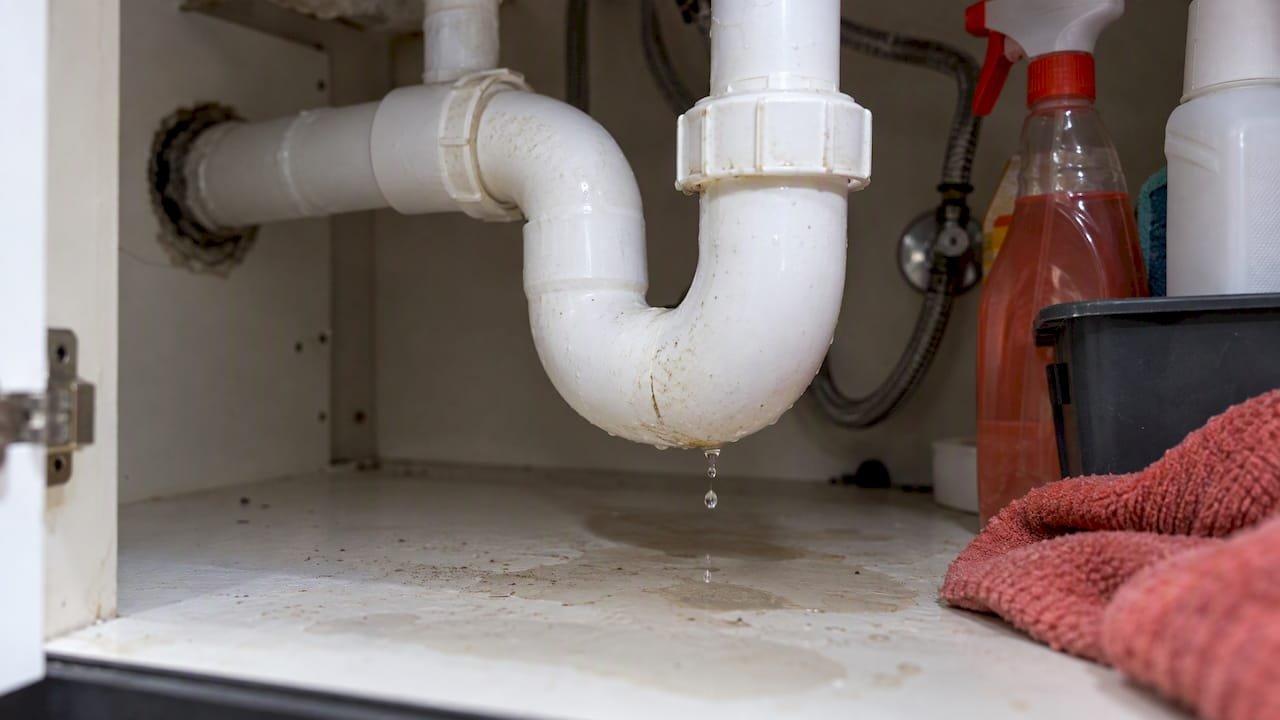
To find hidden moisture, shine a flashlight under the sink, behind the dishwasher and around the base of the toilet. Run a dry finger along pipe joints and cabinet floors. Anything cool, soft or discolored deserves attention.
Work through these in order:
- Stop standing water: empty trays, wring out sponges and dry the sink basin each night
- Fix leaks: repair dripping taps, loose pipe fittings and slow dishwasher hoses
- Improve ventilation: run extraction fans in the bathroom and laundry, and crack a window after showers
- Dry cloths: hang dishcloths and towels instead of leaving them balled up on the bench
Leaks come first because no amount of cleaning helps while a roach can drink a few feet from where it hides.
3. Where do cockroaches hide inside the home?
Cockroaches are built to squeeze into tiny gaps, and their flat bodies and sensory adaptations let them use cracks most people would never notice. They prefer dark, tight, warm places close to food and water, so the harborage list is long: crevices in cabinetry, the undersides of appliances, wall cavities, cupboards and drawers, and stacks of cardboard and paper.
Clutter and cardboard deserve special attention. Boxes give roaches a protected refuge, and the corrugated layers make ideal spots for egg cases. Our guide to cockroach hiding places walks through the inspection in more detail. To remove shelter:
- Declutter one zone at a time, starting with the kitchen and laundry.
- Swap cardboard storage for sealed plastic tubs.
- Seal gaps around pipes, skirting boards and cabinet edges with caulk.
- Fit door sweeps on exterior doors.
- Check the undersides of appliances and service voids for droppings or egg cases.
Pro Tip: Pick a gap, then test it: if a coin edge slides into it, a young roach can too. Seal it.
4. What outdoor conditions send cockroaches toward your house?
Many roaches start outside and move in when conditions change. Typical outdoor attractors:
- Mulch piled against the foundation
- Leaf litter and woodpiles near walls
- Drains and grease traps
- Garden waste left unsealed
- Overflowing or uncovered bins
- Exterior lights that draw certain species
Entry points are usually small: gaps around doors and windows, vents, drains and utility penetrations. Move mulch back from the foundation, clear leaf litter, keep bin lids closed, screen vents and seal pipe gaps. Switching to warm-toned or motion-activated outdoor lights also gives night-flying insects less reason to gather by your door.
5. Which cockroach species are you dealing with?
Knowing the species tells you where the problem likely starts. Species have distinct habits, and identification helps pick the right inspection approach.
- German cockroach: lives indoors, favors warm, damp kitchens and hides in appliances and cracks. Research shows it adapted well to urban life and nocturnal hiding.
- American cockroach: linked to drains and decaying organic matter, and often drawn to lights.
- Australian and smokybrown cockroaches: outdoor-associated, often found in subfloors and roof voids.
- Brownbanded and oriental cockroaches: brownbanded roaches roam beyond the kitchen into drier rooms, while oriental roaches favor cool, damp spots.
German cockroaches breed rapidly, so an indoor sighting often calls for faster, more thorough control than an occasional outdoor wanderer.
6. What are the signs of an infestation, and when should you call for help?
Look for these signs:
- Droppings that resemble pepper grounds or small dark specks. See what cockroach droppings look like.
- Egg cases tucked into cardboard, cracks or behind appliances. Our guide shows how to spot and remove cockroach eggs safely.
- Smear marks along walls or in damp corners.
- Repeat sightings of roaches at night.
- Live roaches in daylight, a major red flag, because it signals crowding.
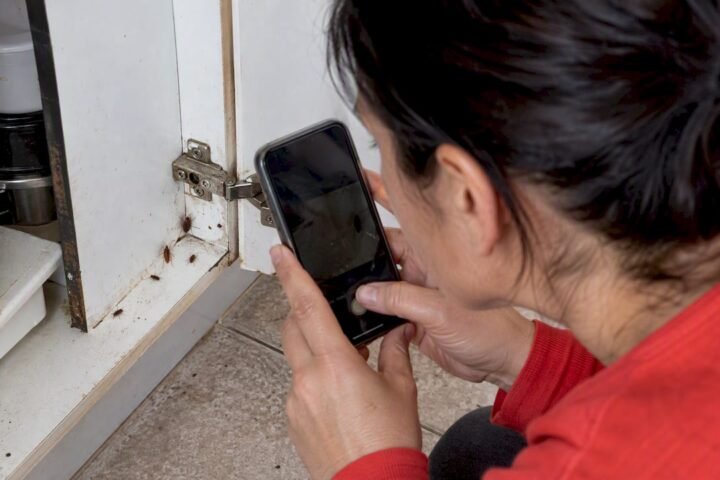
More signs are covered in our infestation signs guide. Daylight sightings, egg cases or repeated returns after cleaning mean it is time for a professional. In the meantime, seal up food, place sticky traps along walls and note where and how often you see roaches. Photos help a technician target the right spots.
7. What should your daily, weekly and seasonal prevention checklist include?
Consistent habits beat occasional deep cleans. Keep it simple:
- Daily: wipe surfaces after use, store food airtight, lift pet bowls overnight, empty bins and rinse recyclables
- Weekly: check under appliances, mop floors, dry sponges and cloths, flush drains and clear one cluttered zone
- Seasonally: inspect plumbing for leaks, clean gutters and drains, seal visible gaps and book an inspection if roaches keep returning
For tips on commercial-grade routines, professional cleaners’ kitchen guidance shows how structured schedules work in busy kitchens. The same logic applies at home: a short, repeatable routine is what keeps food residue from building up.
Pro Tip: Run a quick “last look” before bed: counters wiped, bowl lifted, sink dry, bin lid shut. Cockroaches forage at night, so that minute removes most of what they came for.
8. Why does acting early matter?
In my experience, one cockroach by the sink rarely means one cockroach. Small signs often mark a larger hidden population, and spot spraying only scatters it. Targeted inspection and baiting at harborages usually does more than a surface spray. At BugsPatrol we have worked on homes across Canberra for years, and our family-friendly treatments are designed with children and pets in mind.
— navin
9. When does professional cockroach control make sense?
If you are seeing roaches in daylight, finding egg cases or fighting repeat returns, DIY measures have probably reached their limit. That is where our general pest control service comes in. We start with an inspection to locate harborages and entry points, then use targeted baits and treatments, give sealing advice and follow up to confirm the problem is gone. Our licensed technicians keep treatments away from food-contact areas, in line with safe household pesticide practice.

If you would rather prevent problems than chase them, our subscription plans bring recurring protection, starting from $29.98 AUD per month. Book an inspection with us today and get your kitchen back.
FAQ
What attracts cockroaches the most?
Food residue, moisture and shelter attract them most. Crumbs, grease and leaks are the strongest draws, especially where cracks and clutter give them somewhere to hide.
What will keep roaches away?
Keep food sealed, fix leaks, dry sinks overnight and seal gaps and cracks. Declutter cardboard and paper so they have nowhere to nest.
What is a cockroaches’ biggest weakness?
Their need for water. Without a reliable source, they struggle to survive, so fixing leaks and drying surfaces hits them where it counts.
Why should you never kill a cockroach?
You can, though it is rarely enough. Killing one does little if food, water and shelter remain, and roaches can leave pheromones in their droppings that draw others to the same spots.
Sources
Recommended
- Inspect Cockroach Hiding Places for Homeowners and When to Call a Pro
- Cockroach Infestation Signs: What to Look for at Home
- What Cockroach Droppings Look Like (And What to Do First)