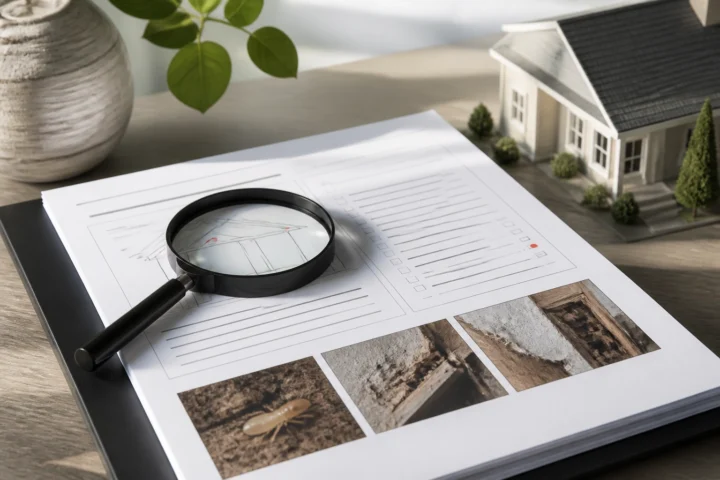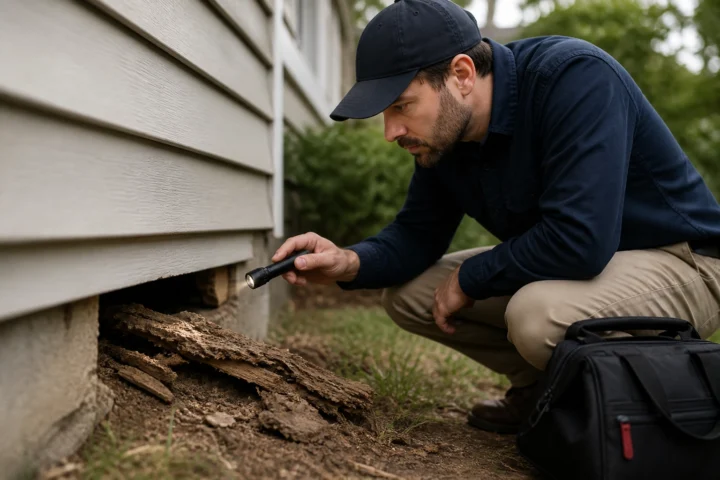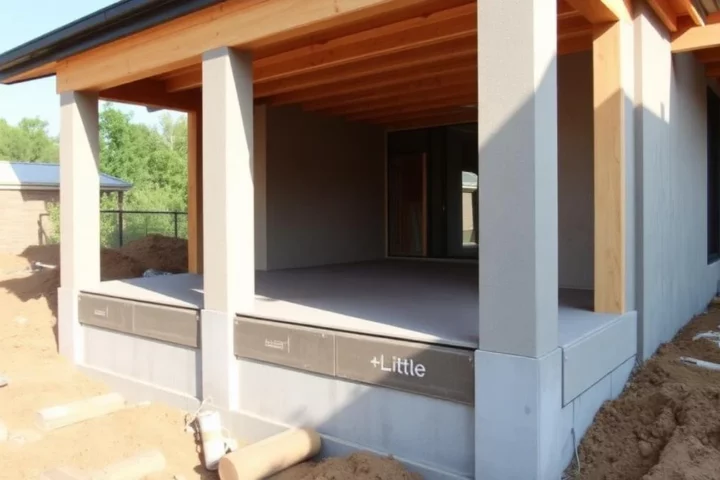
Two reports, one common assumption: many ACT buyers book a building inspection or a pest inspection, assume the other was covered, and rely on a single document when the contract goes unconditional. The gap between those two reports is where termite risk usually hides.
A termite and building inspection are separate assessments. They use different tools, allow different levels of access, and answer different questions. This comparison sets the two reports side by side and then maps the gaps neither report will find, so you can check your own paperwork against what is actually in writing. The aim is a pre-purchase position built on evidence, not reassurance.
Why One Report Feels Like Cover for Both
Many ACT buyers book a “building and pest inspection” as one item, then assume both scopes are covered. They are not. A building inspection and a timber pest inspection are separate reports, usually from separate inspectors, each working to a different standard.
The confusion is practical. Both involve someone walking the property, both produce a report before auction or settlement, and both are often booked in the same week. Similar logistics, different jobs. For portfolio buyers, standardising pest control across Canberra sites shows why scope and reporting need to be written down.
The stakes are straightforward. A structural defect and concealed termite activity both belong in writing before a contract binds. The rest of this guide separates what each report covers, where termite risk falls between them, which ACT instruments and standards apply, and which findings justify negotiation.
Building Inspection vs Pest Inspection: Side by Side
Here is the termite and building inspection split in practical terms. See the Canberra pest inspection guide for why pest checks matter.
| Building inspection | Timber pest inspection | |
|---|---|---|
| Purpose | Structure, workmanship, defects and general condition. | Termite activity, damage, other timber pests and conducive conditions. |
| Who inspects | Building inspector. | Professional termite inspector. |
| Standard or template | Pre-purchase building practice; confirm agreement. | AS 4349.3-2010; confirm ACT template. |
| Tools and methods | Visual, non-invasive; moisture readings and observation. | Visual under AS 4349.3-2010; sounding, probing, moisture meters, detection tools. |
| Access limits | Visible and reachable areas only. | Same, plus concealed walls, slabs and stored goods excluded. |
| Report depth | Observed defects and limitations, not hidden defects. | Evidence, damage, conducive conditions and follow-up recommendations. |
| Reliance period | Confirm in agreement. | NBIC sample template: 30 days after inspection, then not relied on. |
| What it is not | Not a warranty or termite assessment. | A timber pest report, which does not cover the building scope. |
Both are limited by visibility and access. The two scopes are complementary, not alternatives, so you do not treat either report as a substitute for the other.
What a Building Inspection Actually Covers
With the side-by-side differences clear, the building report is the first scope to pin down. It reports on the structure and fabric: footings and slab, framing, walls, roof and roof space, ceilings, floors, windows and doors, along with visible movement, cracking, damp or poor workmanship. It also flags safety, waterproofing, drainage and site-level items, along with the maintenance backlog you inherit.
The limits matter. It is a visual, non-invasive assessment on the day. The inspector does not pull apart walls, and the report is not a council compliance audit or a warranty that the property is defect free. Building inspections follow general requirements for scope, limitations and reporting, not the National Construction Code.
A building inspection does not assess termite activity or timber pest damage by design. That is a separate scope under a separate standard, with its own access and reporting requirements. Before booking, a pre-purchase pest checklist helps you see what the other inspector will and will not access.
Read the inspection agreement and the report’s exclusion pages. Two building reports on the same property can differ in what they were asked and able to look at.
What a Professional Termite Inspection Report Covers
Where the building report stops at structure and workmanship, the termite inspection report starts. AS 4349.3-2010 sets minimum requirements for non-invasive inspection and reporting of timber pest activity and damage, and for the associated reports. It is a pest inspection standard, not a building inspection standard.
The walk-around covers structures, fences and trees within 30 metres of the building, but only within property boundaries, so acreage and boundary plantings can fall outside it. The termite inspection report records live termite activity, damage or evidence of it, other timber pests, conditions that favour termites, and recommendations for further investigation.
Full reports are long and detailed. A sample report is illustrative, not ACT data, and cosmetic or non-timber pest issues may sit outside scope. For help reading a termite report, use the field guide.
The Gap Map: What Neither Report Will Find
Both reports are snapshots of what could be seen and reached on the day, so treat their limits as part of the finding. The gap between them is where concealed termite risk often lives.
The sample timber pest report template excludes cavity walls, concealed frame timbers, eaves, flat roofs, fully enclosed patio subfloors, and soil concealed by concrete floors. None can be checked without cutting, drilling or dismantling. On slab construction, the template notes concrete slabs are always more susceptible to termite attack because entry can follow concealed paths. That is a limit of visual inspection, not an inspector’s failure.
Time limits reliance too.
Access gaps and time gaps work the same way. Neither report inspects inside walls or under fixed joinery, and neither assesses what the seller has not disclosed. Neither is a guarantee, and neither replaces contract or title advice.
If any area is listed as not inspected or inaccessible, closing that gap is the buyer’s job before the contract binds. Seek an invasive inspection, a specialist report or a written answer from the seller. For follow-up questions, see the professional termite inspection process.
ACT Rules: Which Standard and Which Report Format Applies
Scope gaps are half the story. The other half is the paperwork defining what an ACT inspector must do.
AS 4349.3-2010 is recognised in the ACT for timber pest inspections. Work from the ACT service listing for this standard, not a generic national summary. That listing names the Civil Law (Sale of Residential Property) Act 2003 and the 2004 Regulations as the relevant instruments, administered by the Environment, Planning and Sustainable Development Directorate. Check which of those instruments is named on your own inspection report before you rely on it.
Confirm the report format before booking. A sample NBIC timber pest report header states it covers all states and the Northern Territory but not the ACT, so an interstate template may not suit a Canberra purchase.
When booking a professional termite inspection in the ACT, ask two questions: which standard and report template the inspector will use, and whether the report will still be current when the contract binds, given the 30-day reliance window. Sequence matters too. Book close enough to exchange that reports remain current, and diarise a re-inspection if settlement drags past that period. For timing context, read about Canberra termite swarm risk.
How to Read Both Reports Before You Rely on Them
Read the scope and limitation pages before the summary. That is where each report states what was not inspected and why, and whether another inspection is needed. Then test those listed inaccessible areas against your site walk: a locked garage, fully enclosed subfloor or stored-out room should appear as a limitation. If an obvious barrier is missing, ask the inspector why.
Look for recommendations, not verdicts. Wording such as “further investigation recommended” beside a wall, subfloor or retaining structure is an instruction to act before the contract binds, not a footnote.
Read both reports side by side on the same items. A building inspector’s damp finding and a pest inspector’s conducive conditions note often describe the same defect from two directions, showing where moisture is feeding timber pest pressure.
Keep both reports with the contract paperwork, note the inspection dates on the front, and apply the same discipline to pest control records, so you have a clear record of which version of the property each report describes.
Which Findings Are Worth Negotiating On
With your termite and building inspection reports read against their limitations, the next step is separating evidence from noise.
- Active termite activity or treated damage. If the professional termite inspection report records either, ask for treatment and monitoring costs in writing. Treat ongoing management as part of the purchase price, not a one-off repair.
- Termite damage affecting structure. Get a structural assessment or builder quote before negotiating. Damage called minor can still mean replacing framing or floor timbers once opened up.
- Major structural or safety defects. Findings in these areas are commonly raised for negotiation, usually as a price adjustment or vendor-completed repair.
- Findings without a number. Unknown costs are not negotiable. Convert every significant finding into a specialist quote, then negotiate against a figure you can defend.
- Routine maintenance and cosmetic wear. Do not negotiate minor items expected for the property’s age. A long list of small complaints weakens the credible ones.
This is a decision framework, not legal advice. Outcomes depend on contract terms and the vendor. If activity or damage is confirmed, follow-up termite control is separate; Canberra based providers such as BugsPatrol offer liquid barriers and baiting systems. Budget for an ongoing pest management schedule.
Do You Need Both? Quick Answers for ACT Buyers
With the negotiation framework settled, these are the short answers ACT buyers ask for before booking anything.
Do I need both? Yes. A termite and building inspection answer different questions, and one report cannot be read as cover for the other scope.
How long is a termite inspection report valid? The sample NBIC timber pest report sets 30 days between inspection and a binding contract, after which it should not be relied on. Treat that as the outer limit and confirm the ACT position with your inspector.
What if the report excludes an area? The exclusion is yours to resolve: arrange access, an invasive inspection or a written answer from the seller before the contract binds.
Can a report guarantee no termites? No. A visual inspection reports what was evident on the day and cannot rule out concealed activity inside walls, under subfloors or beneath concrete.
Can I rely on the seller’s report? Read it, but check its date against the reliance window, confirm which template and standard were used, and decide whether you want your own inspection on your own terms.
Build Your Position on Evidence, Not Reassurance
The answers above are a starting point, not a settlement strategy. Put them into a pre-purchase plan.
- Book the termite and building inspections as two separate scopes, sequenced so both are still current when the contract binds.
- Read the exclusions and limitations before the verdict, and write down every area recorded as not inspected or inaccessible.
Keep both reports with your contract paperwork and arrange re-inspection if settlement runs past the reliance period.
Conclusion
Two reports, two jobs: a building inspection assesses structure and defects, while a termite inspection reports visible pest evidence and conducive conditions. Neither can guarantee a home is free of concealed termites or future problems. Read both reports for their exclusions, limitations, and inaccessible areas before you treat either as a verdict. Every significant finding should become a written quote, so your negotiation rests on defensible figures rather than vague reassurance. Budget for ongoing termite management, especially on slab homes, and keep reports current through contract and settlement. Your next step is to book separate building and pest inspections now, sequence them so both remain current, and write down every gap for follow-up. Two signatures on two reports beat one hopeful assumption.